
Introduction
Regarding digital consumption, YouTube is one of the most influential platforms, hosting billions of videos and engaging users across every continent. The vast repository of user-generated content, creator channels, comments, likes, views, and metadata presents an immense opportunity for businesses, marketers, researchers, and developers. YouTube Data Scraping has emerged as a game-changer for organizations aiming to harness trends, monitor sentiment, track influencers, and accurately evaluate performance.
Rather than depending on manual observation or platform-limited insights, automated techniques to Scrape YouTube Data offer structured and scalable access to YouTube's public-facing information. This blog delves deep into why scraping YouTube data is in high demand, what data types are most valuable, and how businesses across sectors leverage this resource to drive strategic outcomes.
Why YouTube Data Matters More Than Ever?
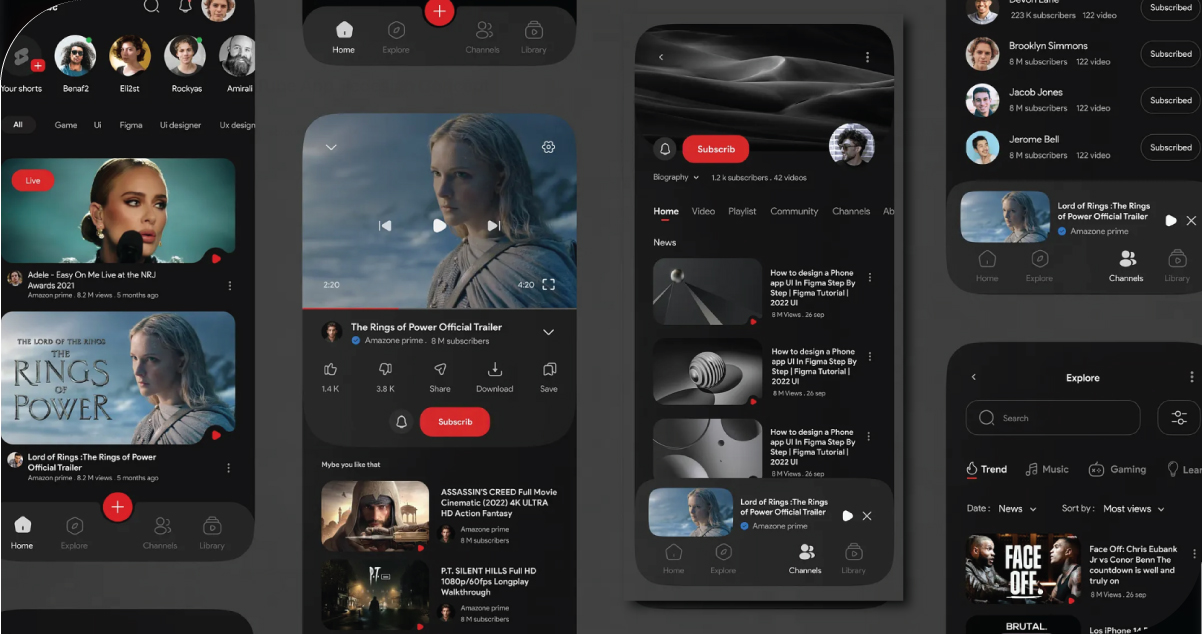
With over 2.5 billion logged-in monthly users and over 1 billion hours of video watched daily, YouTube has evolved far beyond a simple video-hosting site. It is now a hub of social commentary, entertainment, education, product discovery, brand engagement, and cultural influence.
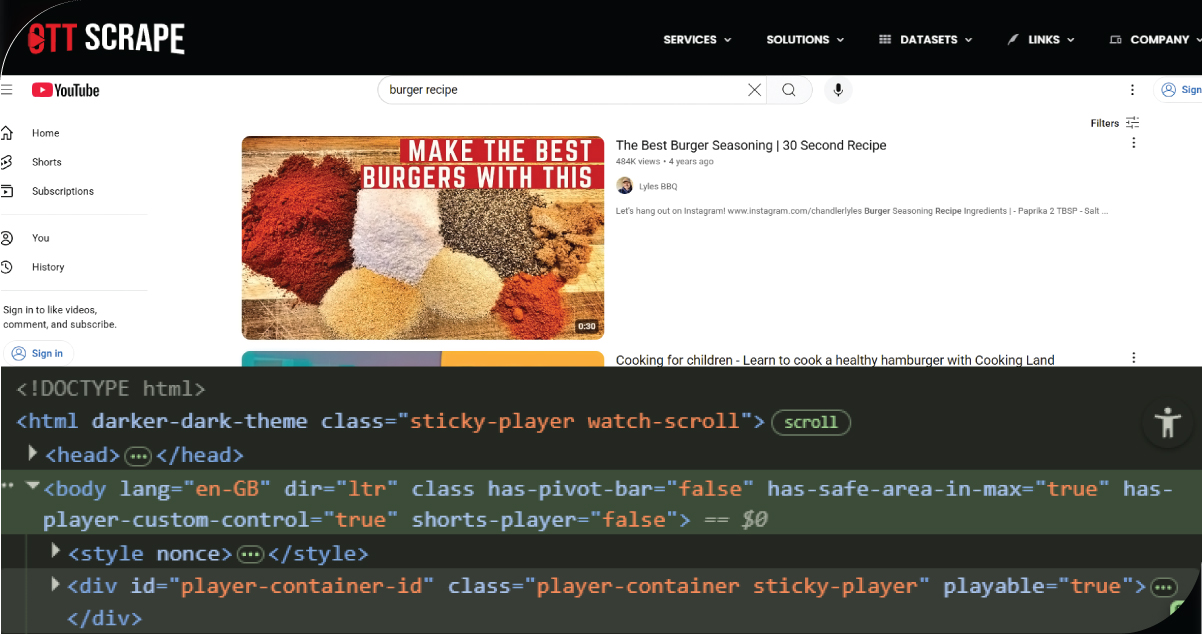
YouTube content's dynamic nature generates an immense volume of behavioral and performance data. YouTube App Data Scraping allows stakeholders to observe real-time shifts in consumer interests, identify viral trends, understand public sentiment, monitor competitor performance, and assess engagement metrics across multiple dimensions through effective YouTube Data Extraction methods.
YouTube's vast ecosystem makes it a strategic data source for:
- Content creators seek topic ideas and optimize videos.
- Brands aiming to partner with relevant influencers.
- Researchers analyzing social trends and discourse.
- Digital marketers tracking campaign performance and audience demographics.
- E-commerce platforms exploring video reviews for product insights.
Types of Valuable Data You Can Extract from YouTube
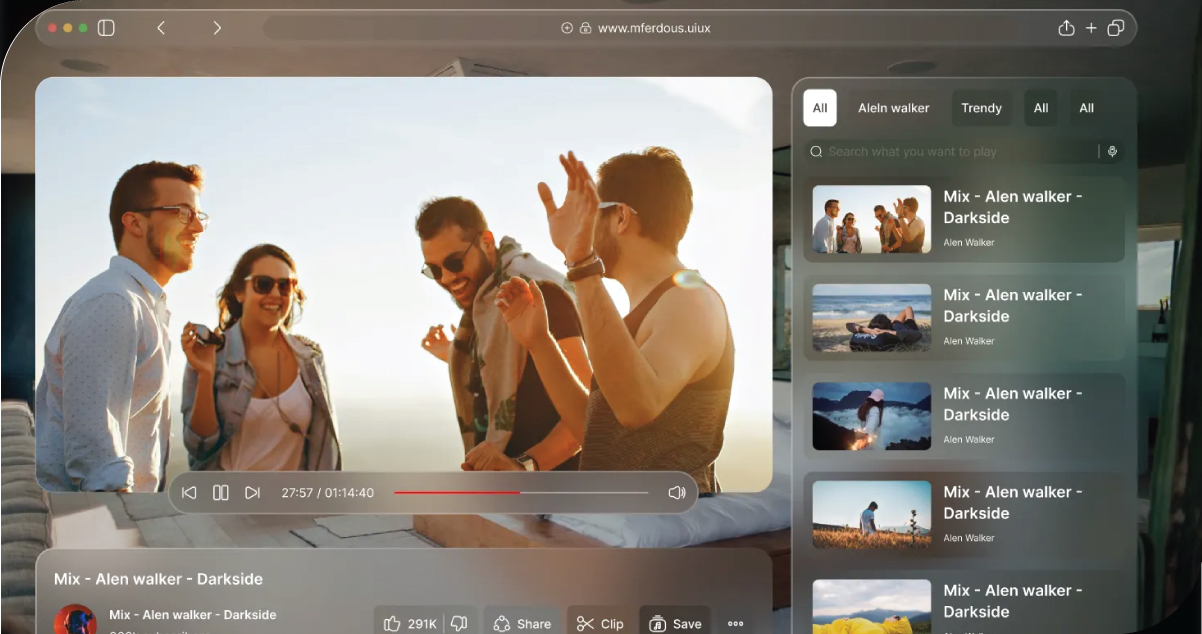
The richness of YouTube data lies in its multidimensionality. Scrapers can capture a variety of structured elements that offer both quantitative and qualitative insights:
1. Video Metadata: Title, description, video ID, publish date, duration, and category.
2. Engagement Metrics: View count, likes, dislikes, comments count, and shares.
3. Channel Information: Channel name, subscriber count, total video uploads, channel description, creation date.
4. Comment Data: Comment text, user handle, timestamp, replies, like count, sentiment orientation.
5. Hashtags and Tags: Keywords and topics associated with the video for SEO and categorization.
6. Trending Video Data: Geographically segmented trending videos, surfacing viral content.
7. Captions/Subtitles: Transcriptions and timestamps are useful for content indexing and keyword mining.
Each of these data points plays a vital role in understanding YouTube content's performance, intent, and reach. For example, analyzing comment threads using Natural Language Processing (NLP) techniques can unearth deep insights into viewer sentiment, perception of a brand, or reaction to a public figure.
Use Cases: How Industries Use YouTube Scraping for Competitive Advantage
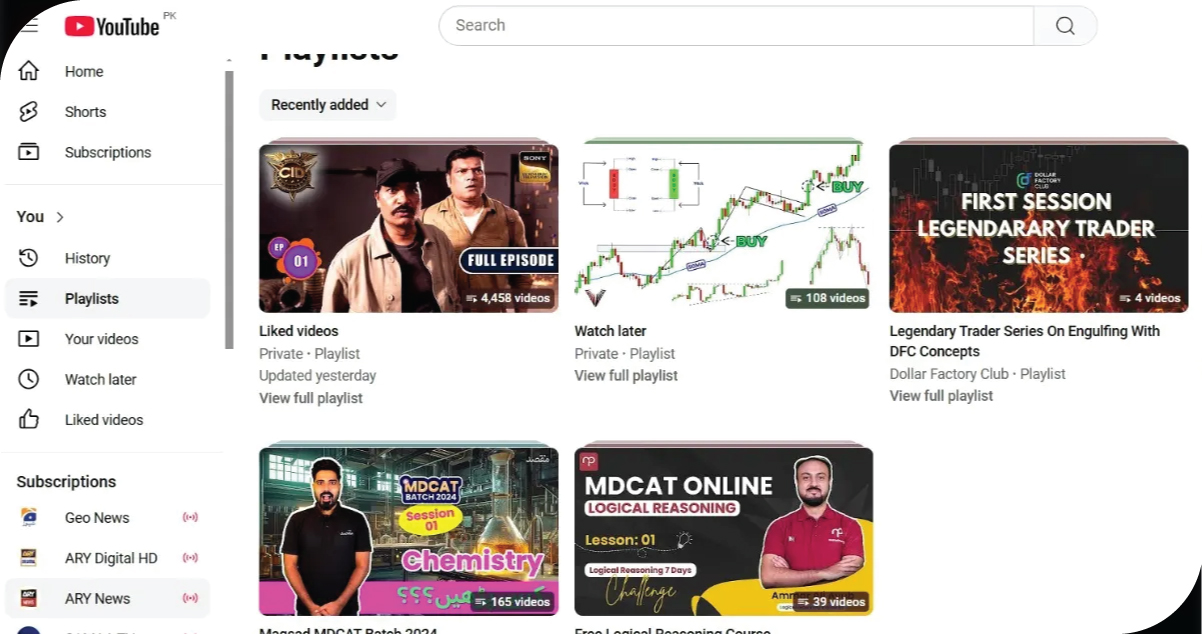
The applications of YouTube data scraping span across industries. Let's explore how different domains are leveraging this form of video intelligence:
- Brand Monitoring and Sentiment Analysis: Brands scrape YouTube reviews, unboxings, and testimonials to measure consumer perception and identify areas for product improvement. Companies gain early signals of customer satisfaction or discontent by examining how frequently a brand is mentioned and the tone of such mentions.
- Influencer Discovery and Management: Influencer marketing has seen exponential growth. Scraping YouTube enables brands and agencies to evaluate content creators based on metrics like views per video, engagement rates, subscriber growth, and niche relevance. Tools powered by YouTube scraping help brands find influencers who resonate with target audiences.
- Market Research and Trend Forecasting: Consumer preferences often manifest first through YouTube trends. By scraping trending videos, search suggestions, and hashtagged content, businesses can anticipate market demands, adapt product offerings, and jump on viral movements ahead of the competition.
- Content Strategy for Creators: YouTubers rely on scraped competitor data to identify gaps, evaluate what content style resonates, and optimize their thumbnails, tags, and titles for greater visibility. Scraping also assists in keyword discovery and evaluating monetization opportunities.
- Academic and Social Research: Scholars studying social movements, misinformation, political narratives, or public reactions to crises can scrape YouTube comments and video content for empirical analysis. It supports both qualitative research and data-driven modeling of digital behavior.
- SEO and Video Optimization: Scraping tags, captions, and video metadata provide insights into how top-performing videos are structured. SEO professionals use this data to formulate keyword strategies, enhance visibility, and improve video ranking on YouTube and Google searches.
The Role of Automation and AI in YouTube Data Scraping
When combined with automation and artificial intelligence, YouTube data scraping becomes exponentially more powerful. Automated tools can monitor channels and trends around the clock, delivering real-time insights without manual intervention. AI enhances scraping with capabilities like:
- Text summarization of lengthy video descriptions or comments.
- Image recognition for thumbnails and in-video visuals.
- Sentiment analysis to gauge viewer responses.
- Trend clustering using machine learning to detect rising topics.
- Speech-to-text from captions or audio to analyze spoken words in videos.
These intelligent enhancements are helping brands and researchers make smarter decisions faster, ensuring they're not left behind in a fast-paced digital landscape.
The Competitive Edge of Real-Time YouTube Data
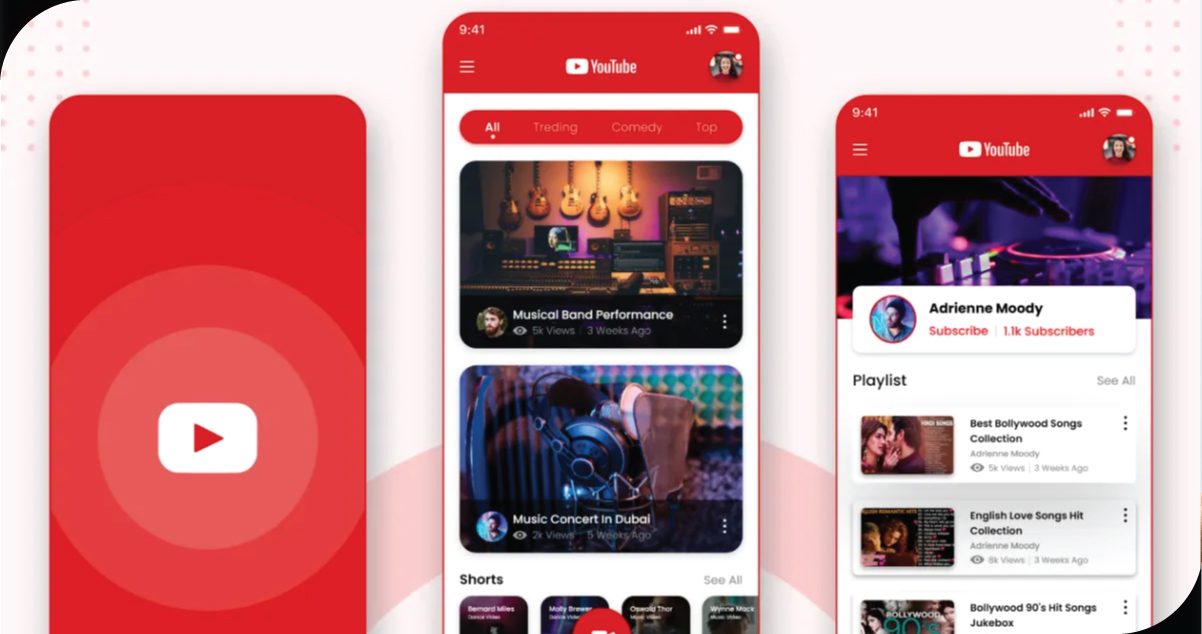
Real-time access to YouTube data is a powerful competitive differentiator. It enables:
- Rapid response to PR crises by monitoring negative sentiment in real-time.
- Agile marketing decisions, adjusting campaigns based on live audience feedback.
- Content calendar tuning, aligning with trending hashtags and viral moments.
- Monitoring competitor moves, including launches, campaigns, and collaborations.
With fresh data constantly flowing in, businesses can iterate strategies dynamically and stay aligned with the audience's needs at any given moment.
How Video Data Adds a Visual Dimension to Analytics?
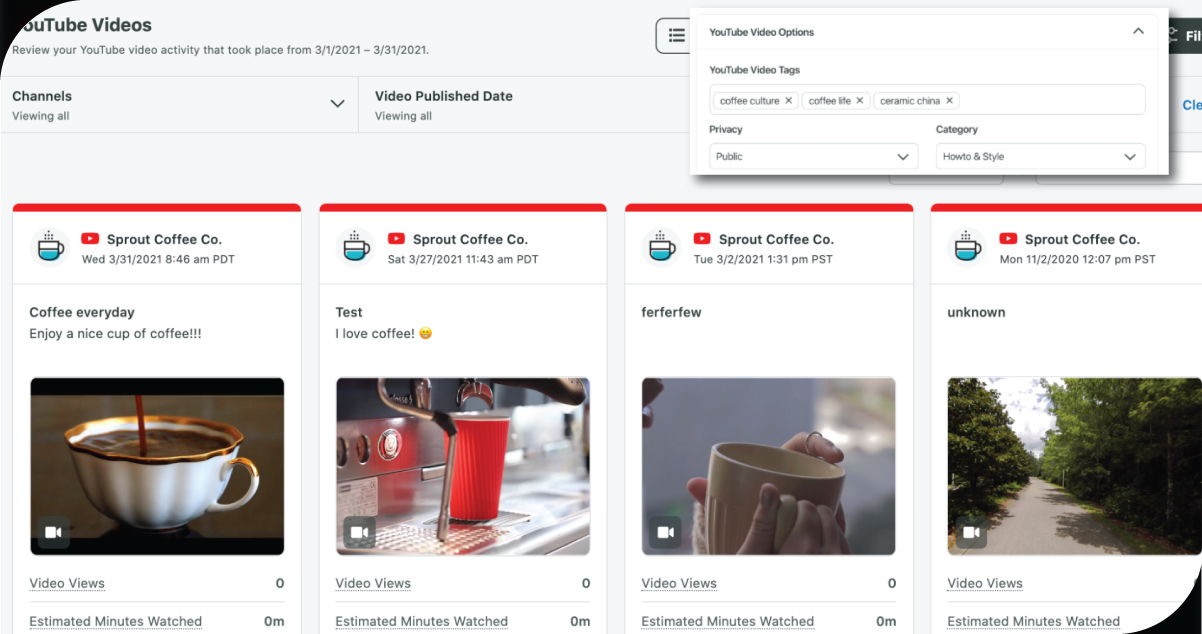
Unlike traditional textual or numerical datasets, YouTube's video-based content provides a rich visual and emotional layer to analytics. Video thumbnails, viewer reactions, expressions, and editing styles convey mood, aesthetics, and communication patterns.
Scraping this form of content—particularly video metadata and viewer comments—enables deeper contextual understanding. For example, a tech review video might include subtle cues like background branding, unboxing techniques, and nonverbal cues that influence purchasing decisions. Integrating these insights with broader marketing data helps paint a 360-degree picture of consumer behavior.
Looking Ahead: The Future of YouTube Data Intelligence

As video content continues to dominate the digital landscape, the need for structured data extraction from YouTube will only grow. Advancements in AI, edge computing, and multilingual NLP are making it easier to decode videos across languages and regions.
In the future, we may see even deeper integrations between YouTube scraping platforms and BI tools, enabling seamless visualization of trends, influencer mapping, and campaign ROI measurement. Additionally, industries like healthcare, education, and public policy are likely to tap into YouTube's voice of the public increasingly.
How OTT Scrape Can Help You?
1. Genre & Popularity Trend Tracking: We monitor trending shows, genres, and user preferences to help you stay ahead of content trends.
2. Subscription Plan Monitoring: Our tools capture real-time OTT pricing tiers, subscription models, and regional plan variations.
3. Seamless API Integration: We offer powerful APIs to integrate OTT data directly into your apps, dashboards, or analytics tools.
4. Error-Resilient Systems: Our scraping engines are built to handle site blocks, captchas, and frequent layout changes without data loss.
5. Compliance-Focused Approach: We ensure all scraping practices follow legal and ethical standards, minimizing risk while maximizing insights.
Conclusion
Scraping YouTube data is no longer a niche activity—it's a mainstream analytical necessity. The possibilities are endless, from decoding audience sentiment and monitoring brand health to discovering influencers and forecasting cultural shifts. Scrape YouTube Comments to unlock viewer insights, engagement patterns, and topic relevance across videos and communities.
Businesses and researchers that recognize the strategic value of YouTube data are positioning themselves for deeper engagement, faster innovation, and smarter decision-making. Leveraging Scraper API YouTube Scraping enables scalable, real-time access to critical video and channel data for more informed strategies.
As video content continues to shape our digital future, scraping YouTube data offers a front-row seat to understanding global narratives in real time. Whether you're a marketer, developer, academic, or content strategist, tapping into YouTube's data ecosystem could be your most valuable advantage in the years to come.
Embrace the potential of OTT Scrape to unlock these insights and stay ahead in the competitive world of streaming!
Our office info
60 Paya Lebar Rd, #11-22 Paya Lebar Square PMB 1010 Singapore 409051