
Introduction
In the last decade, the entertainment industry has witnessed a technological renaissance, and at the heart of this transformation lies artificial intelligence (AI). From how content is created and edited to how it is marketed and distributed, AI is revolutionizing entertainment in every direction. Scrape AI Entertainment Data not just to collect numbers, but to reveal the heartbeat of a digital revolution shifting storytelling, performance, and viewer interaction. Today, AI algorithms analyze viewer preferences, leverage tools like AI News data scraping, automate production processes, and even script movies. These technologies are not distant promises; they are present-day realities already impacting how studios operate and audiences engage with content. As entertainment companies compete in a data-driven economy, they leverage AI to tailor experiences, reduce costs, and boost efficiency. This shift is visible across platforms—streaming giants, music labels, video game creators, and digital artists. To truly comprehend the scope and scale of this transformation, we must explore how AI Impact on Film Industry and is creating new paradigms across every layer of production and consumption.
AI in Content Creation: Writing, Editing, and Animation

Artificial Intelligence is increasingly co-authoring stories in Hollywood and beyond. Powered by machine learning models, script-writing software assists writers in generating plots, character arcs, and dialogues. These systems digest thousands of scripts to recommend storylines that resonate with audience sentiment. Companies like ScriptBook and Largo.ai have built platforms capable of predicting a movie's success based on its screenplay alone.
Visual effects (VFX) and animation are also undergoing an AI-powered transformation. AI tools can now automate rotoscoping, background enhancements, and facial animation. Deepfake technology has sparked debates, but it also opens creative possibilities by enabling actors to be digitally inserted into scenes they never filmed. AI tools are now used to de-age actors or resurrect deceased ones with incredible realism digitally.
From a production efficiency standpoint, this means faster turnarounds and reduced costs. AI levels the playing field for small studios and independent filmmakers by granting access to tools that were once the domain of big-budget productions. By Scraping AI Data, analysts can understand which tools are most effective in various production contexts, offering actionable insights for stakeholders across the industry.
AI in Casting and Performance Analysis
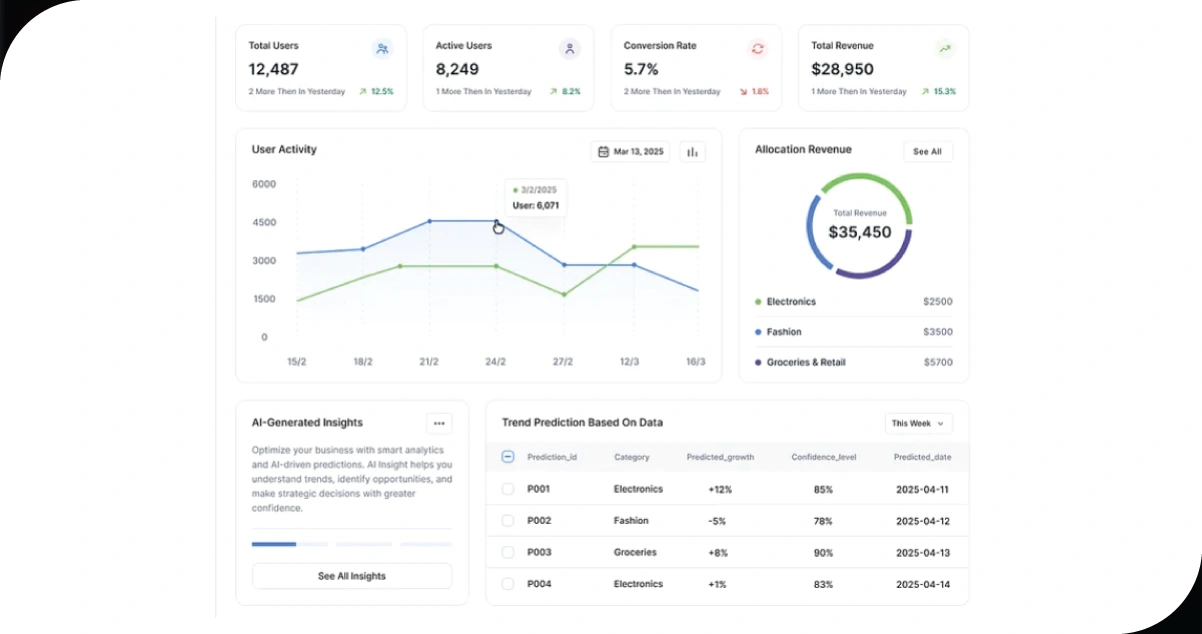
Casting decisions are no longer based on mere intuition or reputation. With AI-driven analytics, studios can use quantifiable data to evaluate an actor's box office draw, social media influence, and suitability for a role. Facial recognition tools also assess emotional range and micro-expressions, helping directors choose the best-fit performers.
Beyond casting, AI tools now analyze scenes to assess actor performance, emotional delivery, and audience reception. This is especially useful in high-budget productions where minimizing reshoots is crucial. Integrating such tools into production workflows is shaping a future where data informs decisions as much as artistic vision.
These shifts further emphasize the need for robust AI Data Services that provide clean, structured, real-time access to performance-related data. These services facilitate decision-making and foster an ecosystem where machine intelligence enhances, rather than replaces, human creativity.
AI in Marketing, Promotion, and Distribution
AI is rapidly reshaping marketing strategies in the entertainment sector. Studios no longer rely solely on intuition when designing trailers or planning release schedules. AI models analyze social media trends, viewership data, and competitor campaigns to tailor marketing efforts to specific audience segments. Personalized trailers—crafted differently for teenage audiences versus older viewers—are now a reality.
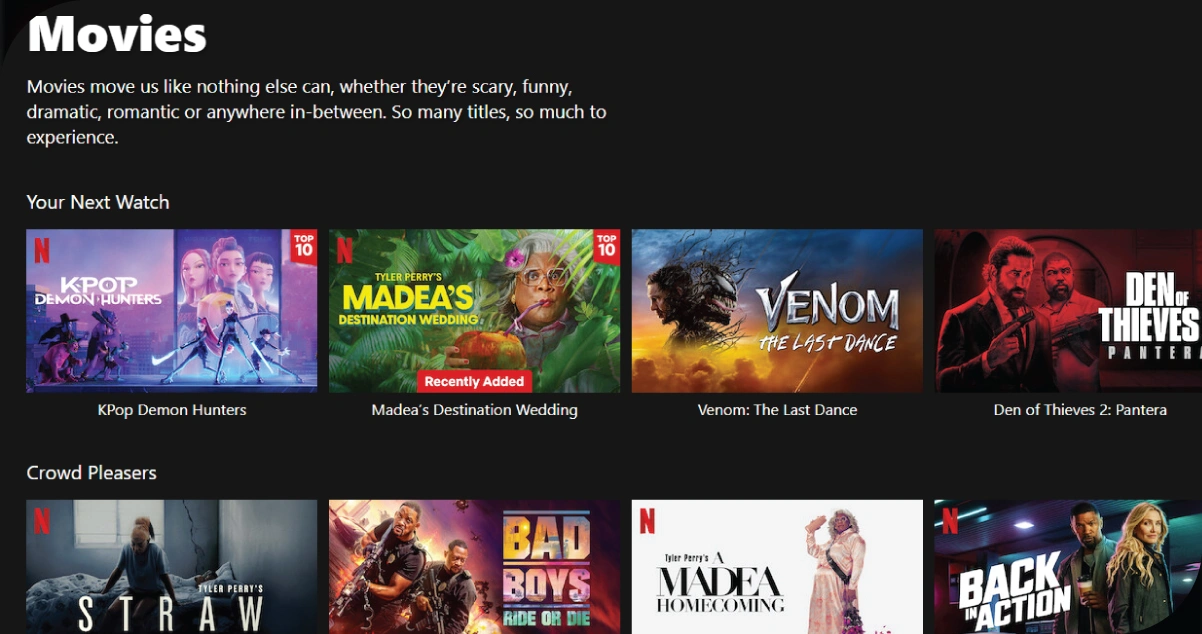
Recommendation engines are among the most prominent applications of AI in entertainment. Streaming platforms like Netflix, Hulu, and Disney+ use advanced algorithms to suggest content based on a user's viewing history, behavior, and preferences. These engines are continuously learning and evolving, increasing users' time on these platforms and boosting subscriber retention.
Behind the scenes, AI Data Scraper tools crawl through vast volumes of online interactions, sentiment scores, and demographic behavior to refine marketing messages. Studios can allocate ad budgets more efficiently, optimally time releases, and create hype among niche fan communities.
Audience Engagement and Personalization
Engagement today is about interaction. AI is central to this transformation, powering chatbots, virtual assistants, and immersive experiences in entertainment ecosystems. From virtual concerts in the metaverse to interactive TV shows where viewers influence the storyline (like Netflix's Bandersnatch), AI is redefining audience participation.
Moreover, personalization is not just about content suggestions—it extends to subtitles, audio levels, UI themes, and even scene selection. Streaming services are experimenting with AI-based eye-tracking and biometric feedback systems to personalize the viewing experience in real time.
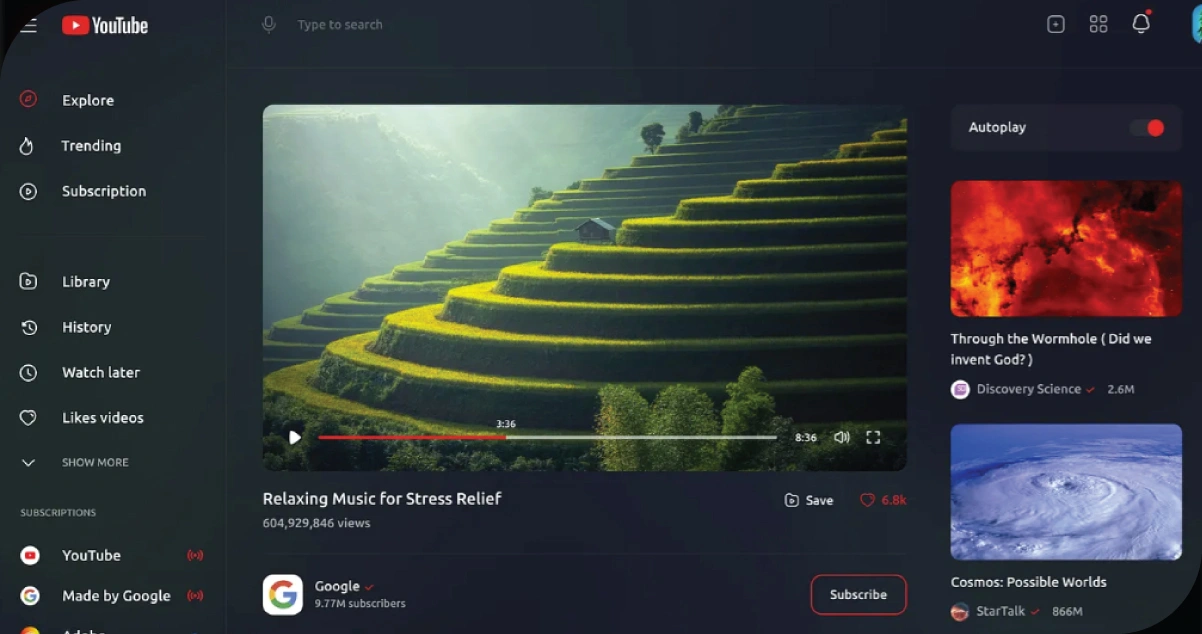
These developments are the product of deep learning models trained on massive datasets. Scraping AI Media Data from platforms such as YouTube, TikTok, or Twitch provides crucial inputs for these models. This scraped data includes user behavior, content metadata, engagement rates, and comments, which are critical for fine-tuning AI systems that enhance the user experience.
AI in Music and Game Design
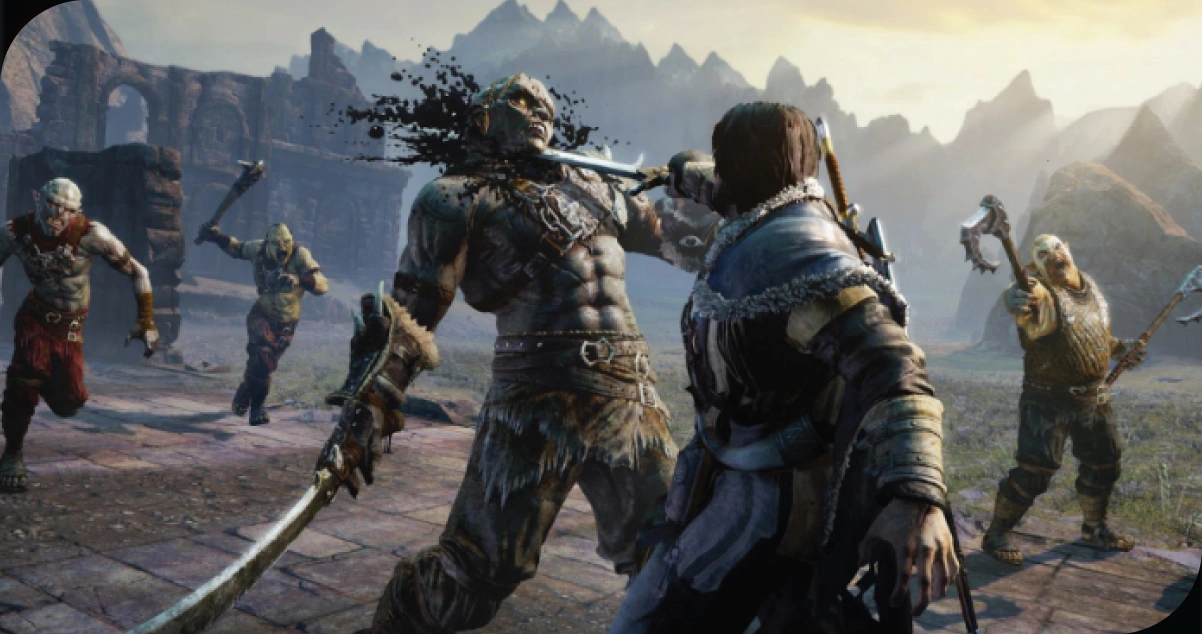
Music composition, sound engineering, and game design are being reimagined through AI. Platforms like AIVA and Amper Music allow users to compose royalty-free music using AI. These tools can generate custom soundtracks based on mood, genre, and tempo preferences—empowering filmmakers, content creators, and advertisers alike.
In gaming, AI is improving non-playable character (NPC) behavior, generating complex narratives, and personalizing game difficulty levels. Games such as Middle-Earth: Shadow of Mordor have used AI-based 'Nemesis Systems' to create dynamic enemies that evolve based on player actions.
Studios employ AI for quality assurance, testing, debugging, and speeding up development cycles. It also plays a role in monetization by predicting in-game purchasing patterns. All these innovations are informed by rigorous data collection, reinforcing the value of Scrape AI Entertainment Data strategies for staying ahead in a hyper-competitive market.
Legal, Ethical, and Creative Concerns
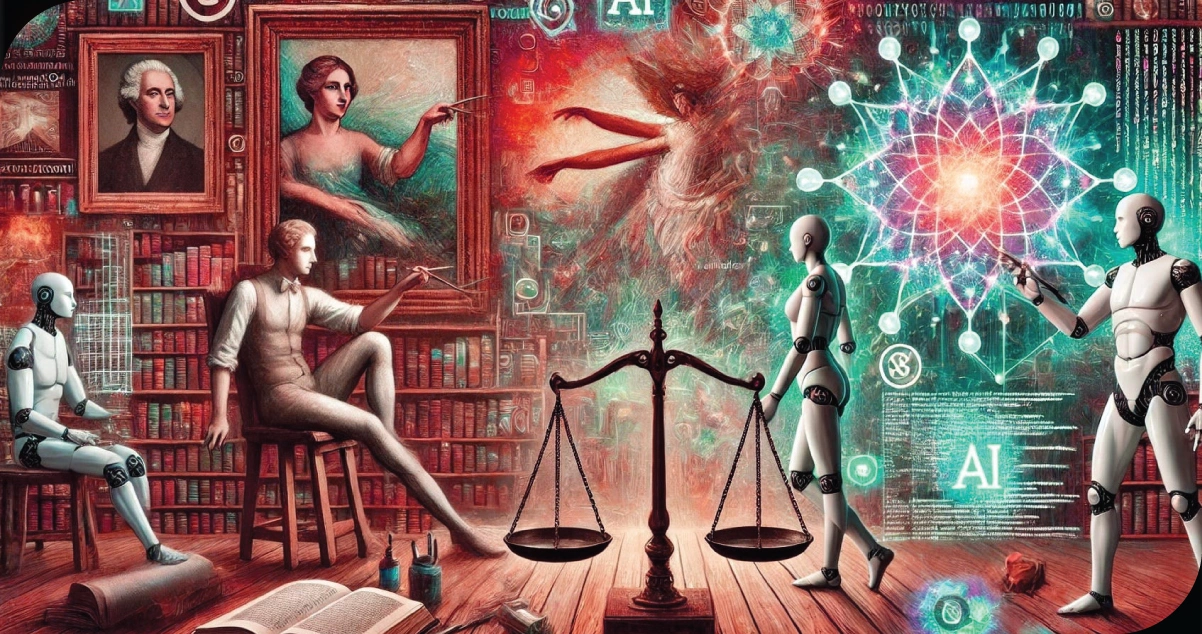
The rise of AI in entertainment raises essential legal and ethical questions. Who owns content generated by AI? Can AI be credited as a co-creator? How do we protect against the misuse of deepfake technology?
Bias in AI models is another concern. AI systems can perpetuate stereotypes or misrepresent characters if trained on unbalanced datasets. Transparency in algorithmic decisions and diversity in training data are necessary to ensure fairness.
Further, as AI takes on more roles in entertainment creation, professionals are growing concerned about job displacement. However, industry voices argue that AI should be seen as a tool that complements human talent rather than replaces it.
To address these challenges, policy-makers, technologists, and creatives must collaborate. Developing ethical frameworks and transparency standards will help ensure the AI Impact on Film Industry is positive, inclusive, and sustainable.
The Future of AI in Entertainment

As 5G, cloud computing, and AR/VR technologies become mainstream, AI's role in entertainment will grow exponentially. We can expect AI-generated films, personalized live concerts, and immersive virtual experiences tailored entirely by user preferences.
AI will also play a key role in archiving and restoring old content. Studios already use machine learning to colorize black-and-white films or upscale vintage footage to 4K and beyond. This preserves cinematic heritage and introduces classic content to new audiences.
With so much happening at breakneck speed, professionals and analysts increasingly rely on Scraping AI Data tools to make sense of trends. From viewership shifts to content virality, scraping helps capture real-time developments critical for future planning and creative exploration.
How OTT Scrape Can Help You?
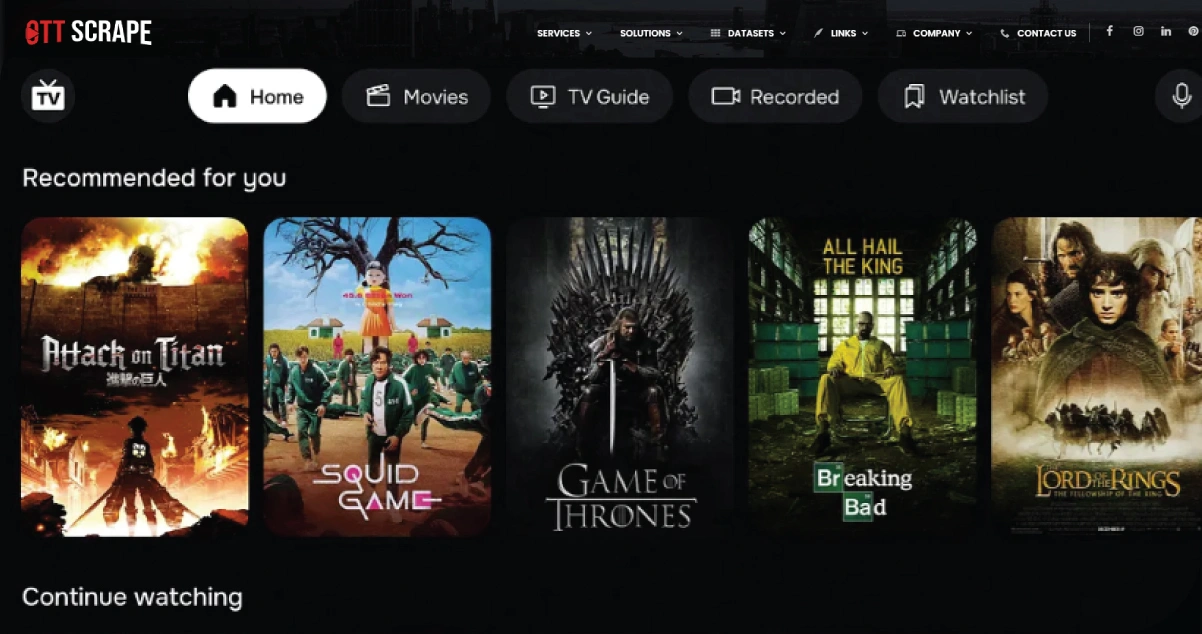
- Comprehensive OTT Content Monitoring: We extract rich metadata from platforms like Netflix, Disney+, Amazon Prime, and Hulu, covering titles, genres, cast, release dates, regional availability, and trending tags, ensuring that content libraries are always mapped with precision.
- Real-Time Trend and Ratings Tracking: Our scrapers track audience ratings, watch-time trends, and user reviews across streaming platforms and third-party aggregators, helping OTT businesses and analysts respond instantly to shifts in viewer preferences.
- Competitor Benchmarking at Scale: With the automated extraction of top charts, new releases, and subscription models, we provide deep competitive insights, empowering OTT services to fine-tune content strategy, pricing, and promotional efforts.
- Localized & Language-Specific Scraping: We offer region-wise scraping support for multilingual content libraries, subtitle availability, dubbing details, and geo-specific user reviews, enabling hyper-local audience targeting and curation.
- API-Ready, Clean Data for Analytics Pipelines: Our services deliver clean, structured, API-integrated data feeds tailored to OTT analytics dashboards—fueling content performance reports, viewer segmentation, and AI-driven recommendation engines.
Conclusion
AI is no longer a fringe tool in entertainment—it is the engine behind a dynamic, data-powered transformation. It empowers creators, entertains audiences, and redefines the entertainment business in countless ways. AI is reshaping what is possible, from writing scripts and composing music to editing films and optimizing release strategies.
Yet, this transformation brings both opportunities and challenges. The entertainment industry must tread a path that balances innovation with responsibility, automation with artistry, and personalization with ethics. Companies that can harness this balance will define the next generation of global entertainment.
From AI-assisted storytelling to real-time audience personalization, the journey is only just beginning. To thrive in this rapidly evolving landscape, stakeholders must adopt robust AI Data Services, build ethical frameworks, and embrace continuous learning. As entertainment becomes increasingly intelligent and interconnected, one thing is clear: the curtain is rising on a new era, and AI is taking center stage.
Embrace the potential of OTT Scrape to unlock these insights and stay ahead in the competitive world of streaming!
Our office info
60 Paya Lebar Rd, #11-22 Paya Lebar Square PMB 1010 Singapore 409051