
Introduction
The global music industry has undergone a remarkable transformation with the rise of streaming platforms, fundamentally changing how audiences consume and interact with music. Platforms like Spotify have not only expanded accessibility but also created a data-rich ecosystem where listener behavior, preferences, and engagement patterns can be analyzed in depth.
With the surge in digital consumption, companies are now focusing on advanced analytics to interpret listener activity and optimize content delivery. Techniques to Scrape Data From Popular OTT Platform Apps have enabled organizations to extract valuable insights from massive volumes of streaming data. These insights help identify emerging genres, track audience sentiment, and predict future hits with greater accuracy.
The concept of Music Streaming Trends Analysis Using Spotify Data Scraping has become essential in understanding how platforms achieve significant listener growth, including the impressive 70% surge observed in recent years. This blog explores how data scraping reveals actionable insights and solves key challenges in music streaming analytics.
Analyzing Listener Growth Through Behavioral Signals and Data Trends
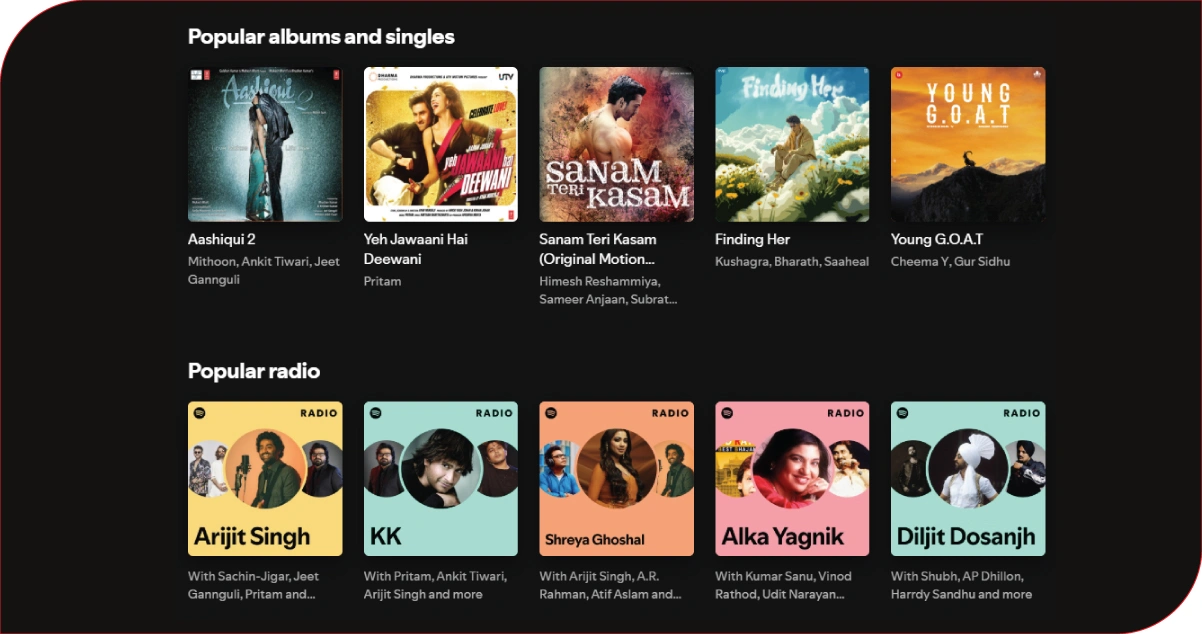
Understanding rapid audience expansion in music platforms requires a deep dive into structured Datasets that capture real-time engagement and behavioral signals. Streaming services generate vast volumes of information, including session duration, skip frequency, and replay patterns, all of which contribute to identifying why listener numbers surge significantly. By leveraging Spotify User Behavior Data Mining for Insights, businesses can segment audiences based on listening habits, regional preferences, and genre affinity.
Such segmentation helps identify micro-trends that often lead to viral growth. For example, repeat listening patterns and playlist additions often indicate strong user attachment, which directly impacts retention and organic reach. Additionally, tracking engagement funnels allows platforms to pinpoint where users lose interest and where they remain active, enabling strategic improvements in user experience.
| Metric | Insight Derived | Impact on Growth |
|---|---|---|
| Daily Active Users | Measures platform engagement | Higher retention rates |
| Skip Rate | Indicates content relevance | Improved playlist curation |
| Repeat Plays | Shows listener loyalty | Boosts track popularity |
| Playlist Additions | Reflects user interest | Expands organic reach |
By analyzing these patterns, streaming platforms can refine recommendation engines and personalize user journeys. This structured approach ensures that content aligns with listener expectations, ultimately driving consistent growth and stronger platform engagement.
Improving Content Decisions Using Playlist and Audio Feature Insights
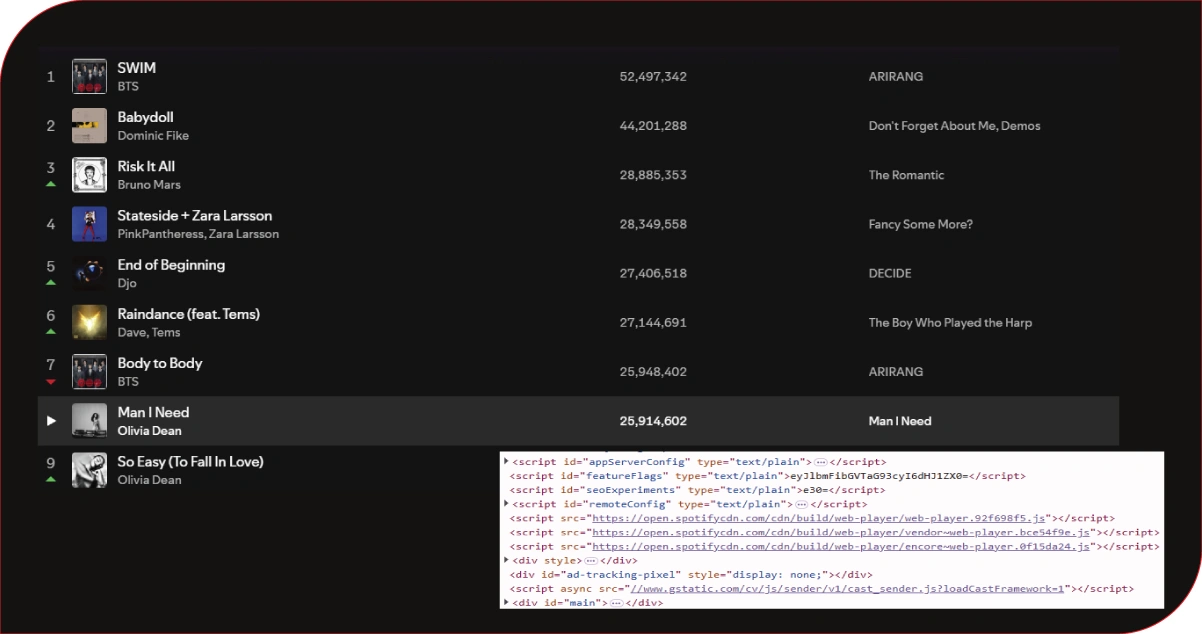
Creating impactful music content strategies requires a detailed understanding of what resonates with listeners. The ability to Scrape Songs Data enables platforms to analyze millions of tracks and identify patterns in musical composition, genre performance, and listener preferences. This process becomes even more effective when combined with Extract Spotify Audio Features API, which provides measurable attributes such as tempo, energy, and danceability.
Furthermore, Spotify Track Metadata Scraping for Deep Insights allows businesses to examine artist popularity, release timing, and album performance. These insights help determine which types of songs are more likely to trend and gain traction among listeners. By aligning content strategies with these findings, platforms can improve playlist curation and maximize user engagement.
| Audio Feature | Description | Strategic Use |
|---|---|---|
| Tempo | Speed of the track | Aligns with mood-based playlists |
| Energy | Intensity level | Targets high-engagement listeners |
| Danceability | Suitability for dancing | Drives playlist placements |
| Valence | Emotional positivity | Enhances user satisfaction |
This data-driven approach ensures that playlists remain relevant and engaging. It also helps artists and labels optimize their releases for better visibility. As a result, streaming platforms can maintain user interest while continuously adapting to evolving musical trends and listener expectations.
Strengthening Platform Strategies with Predictive Analytics and Data Models
Maintaining consistent growth in music streaming requires platforms to anticipate user behavior and adapt accordingly. Predictive analytics plays a key role in this process by identifying emerging trends and forecasting listener preferences. For beginners, a Spotify Data Scraping Tutorial for Beginners provides foundational guidance on extracting and analyzing streaming data effectively.
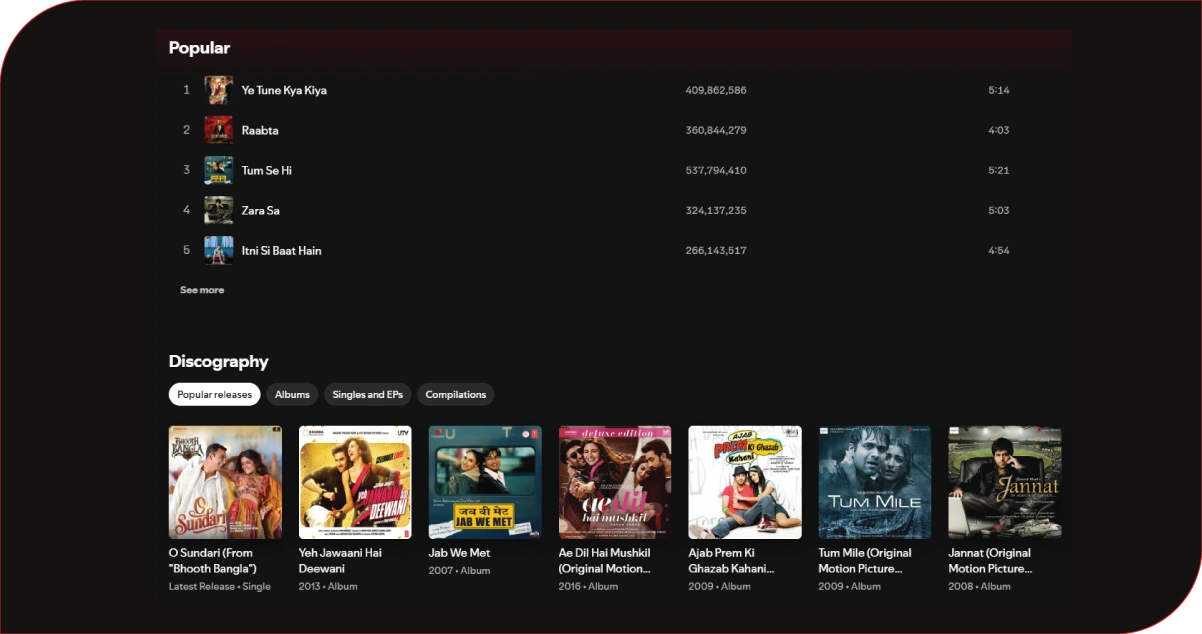
At a larger scale, Spotify Million Playlist Dataset Scraping enables businesses to study extensive playlist collections, uncovering patterns in genre popularity, listening frequency, and user engagement. Additionally, Spotify Listening Behavior Analytics via Scraping for Better Strategy helps refine recommendation systems by delivering more accurate and personalized suggestions.
| Analytical Model | Purpose | Outcome |
|---|---|---|
| Predictive Modeling | Forecast listener trends | Better content planning |
| Recommendation Systems | Suggest relevant tracks | Increased engagement |
| Sentiment Analysis | Understand listener feedback | Improved satisfaction |
| Trend Analysis | Identify emerging genres | Early market advantage |
These models allow platforms to move from reactive to proactive strategies. By continuously analyzing user data and refining algorithms, businesses can ensure long-term engagement and scalability. This approach not only enhances user experience but also strengthens competitive positioning in an increasingly data-driven music streaming ecosystem.
How OTT Scrape Can Help You?
Understanding streaming growth requires more than surface-level insights; it demands a structured approach to data extraction and analysis. Businesses that rely on Music Streaming Trends Analysis Using Spotify Data Scraping can significantly improve their decision-making by accessing accurate and real-time data from streaming platforms.
Our approach includes:
- Collect structured streaming data efficiently.
- Analyze listener engagement patterns in depth.
- Identify trending genres and artists.
- Optimize playlist strategies for better reach.
- Improve recommendation systems with precision.
- Support data-driven marketing campaigns.
Additionally, incorporating Spotify Listening Behavior Analytics via Scraping for Better Strategy further enhances decision-making by providing deeper insights into user preferences and engagement patterns.
Conclusion
Streaming platforms continue to reshape the music industry, and data-driven insights are at the core of this transformation. By applying Music Streaming Trends Analysis Using Spotify Data Scraping, businesses can better understand listener behavior, refine content strategies, and drive sustained growth in a competitive environment.
As the demand for analytics grows, integrating advanced techniques like Spotify User Behavior Data Mining for Insights becomes essential for long-term success. Start leveraging powerful data strategies today to transform your music streaming approach. Connect with OTT Scrape and take your analytics capabilities to the next level.