
Introduction
The digital music ecosystem generates massive volumes of listener interaction data every single day. For beginners stepping into analytics, working with real-world streaming data offers both complexity and excitement. This is where Music Data Scraping becomes valuable, especially when learning Python-based data collection and analysis techniques on a familiar platform like Spotify.
Unlike traditional datasets, streaming data updates constantly, making it ideal for practicing automation, trend tracking, and performance benchmarking. Beginners can analyze stream counts, track popularity, and user engagement patterns while sharpening their coding skills. Interestingly, professionals who already work with Netflix Data Scraping Services often apply similar logic to audio platforms, proving that OTT data techniques are transferable across media types.
A structured learning approach like the Spotify Data Scraping Tutorial for Beginners allows new analysts to move beyond theory and into hands-on execution. By working with playlists, tracks, and artists, learners gain exposure to API handling, data cleaning, and visualization. Over time, this practice enables tracking of over 20K music streams efficiently, helping users build confidence in Python-driven data workflows while laying a foundation for more advanced analytical projects.
Establishing Scalable Foundations for Streaming Analysis
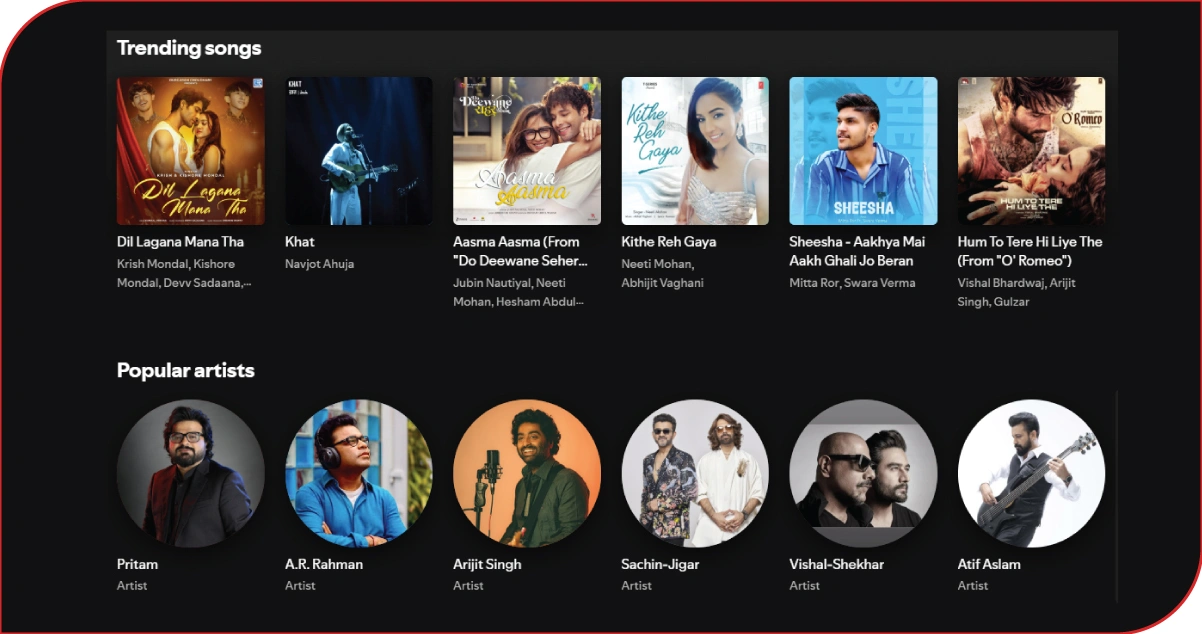
Building a dependable analytics workflow begins with setting up a structured data foundation. For beginners, the challenge is not just collecting information, but ensuring consistency, accuracy, and repeatability as datasets grow. Learning how to Scrape Data From Popular OTT Platform sources introduces essential concepts such as authorization handling, request limits, pagination logic, and structured responses.
Similar practices are widely applied in Web Scraping Movies Data, where frequent content changes demand robust validation checks and scheduled extraction logic. Applying comparable methodologies to music platforms enables analysts to work with large volumes of changing data while maintaining integrity. Research indicates that automated data pipelines can improve collection accuracy by up to 30% compared to manual tracking methods.
A well-designed pipeline also simplifies downstream processes such as cleaning, transformation, and storage. Beginners benefit from understanding how normalized datasets improve querying efficiency and reduce duplication errors. As data volumes increase, scalable structures ensure that insights remain reliable over time rather than degrading with growth.
Pipeline Performance Overview:
| Pipeline Element | Manual Approach | Automated Approach |
|---|---|---|
| Data Accuracy | Moderate | High |
| Update Frequency | Irregular | Consistent |
| Error Handling | Limited | Structured |
| Scalability | Low | High |
By focusing on strong foundational practices, analysts prepare themselves for more advanced analytical tasks without constantly revisiting data quality issues.
Transforming Raw Metrics into Actionable Signals
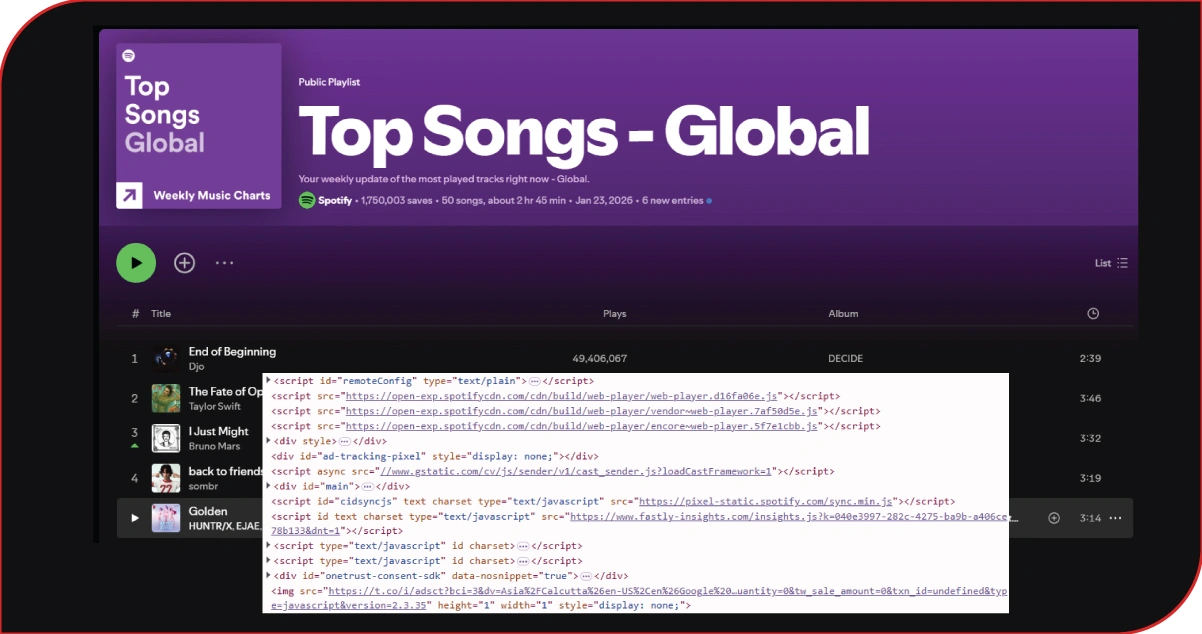
Once a stable dataset is available, the next step involves converting raw metrics into meaningful insights. Beginners often struggle at this stage due to unstructured outputs and a lack of analytical context. Techniques like Spotify API Data Extraction allow structured retrieval of track details, artist metadata, and engagement statistics, forming the backbone for deeper evaluation.
With clean datasets in place, analysts can apply Popularity and Audio Feature Analysis to understand how listener preferences align with measurable attributes. Characteristics such as tempo, energy, and loudness frequently correlate with higher engagement levels. Industry studies suggest that tracks optimized for algorithmic discovery experience up to 20–25% stronger listener retention compared to those that are not.
Analyzing these relationships helps beginners move beyond surface-level metrics and toward predictive understanding. Rather than simply observing which tracks perform well, they begin to understand why performance differs. This analytical shift is critical for strategic decision-making in content optimization and audience targeting.
Insight Comparison Snapshot:
| Attribute | High Engagement Range | Average Range |
|---|---|---|
| Energy Score | 0.75 – 0.85 | 0.55 – 0.65 |
| Tempo (BPM) | 115 – 130 | 90 – 105 |
| Loudness (dB) | -4.8 to -5.5 | -6.8 to -7.5 |
This approach strengthens analytical reasoning while reinforcing the value of structured data interpretation.
Presenting Insights Through Clear Visual Narratives
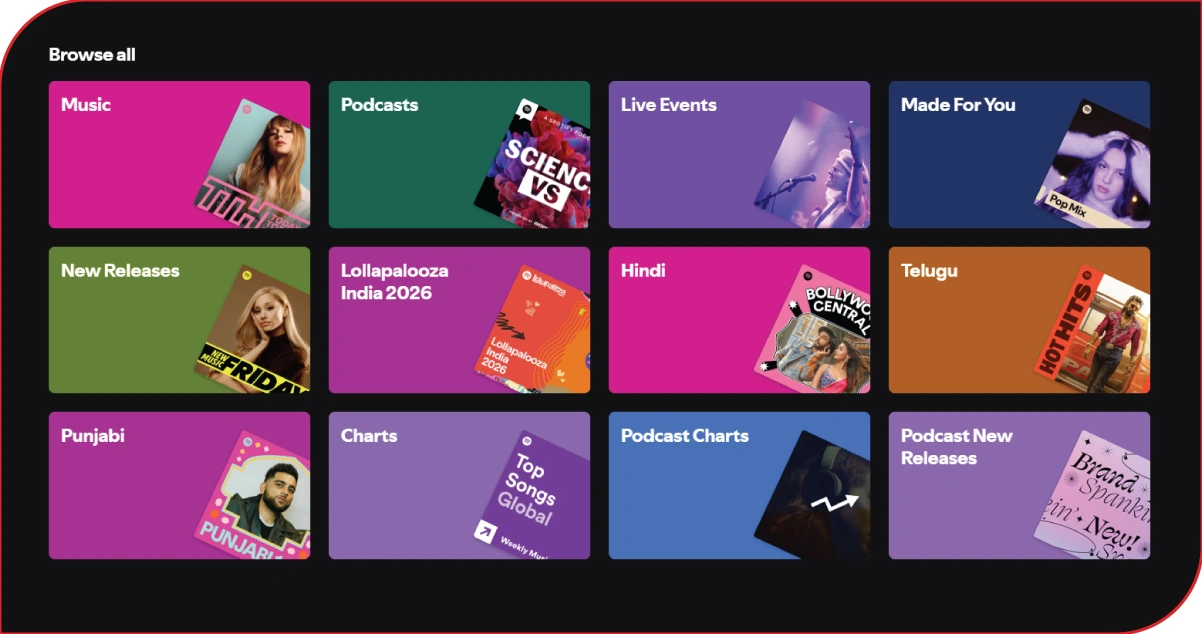
Data analysis reaches its full potential when insights are communicated effectively. Visualization plays a vital role in helping both technical and non-technical audiences understand trends quickly. Applying Spotify Data Visualization techniques allows analysts to spot listening patterns, seasonal spikes, and performance shifts that may not be obvious in raw tables.
When analysts implement Python Data Visualization for Spotify Data, they gain flexibility in building line charts, bar graphs, and comparative plots that reflect real-time behavior. Studies show that visual summaries improve comprehension speed by nearly 40%, making them essential for reporting and presentations.
Advanced reporting workflows often incorporate Spotify Charts and Graphs Using Python to compare artist growth, playlist movement, and stream distribution across time periods. These visuals support faster strategic decisions by highlighting anomalies and opportunities without overwhelming viewers with raw numbers.
Visualization Effectiveness Table:
| Visualization Type | Insight Clarity | Decision Speed |
|---|---|---|
| Line Charts | High | Fast |
| Bar Graphs | Medium | Moderate |
| Comparative Charts | Very High | Fastest |
By focusing on visual storytelling, analysts ensure that insights are not only accurate but also actionable, bridging the gap between data and strategy.
How OTT Scrape Can Help You?
Modern analytics demands more than isolated scripts; it requires guided solutions and scalable support. Platforms and services that assist beginners simplify complex workflows and reduce setup time. Midway through your learning journey, applying the Spotify Data Scraping Tutorial for Beginners within a supported environment can dramatically accelerate progress.
Key Support Advantages:
- Simplified onboarding for new users.
- Scalable data collection frameworks.
- Reduced maintenance overhead.
- Structured datasets ready for analysis.
- Faster troubleshooting support.
- Consistent output quality.
After implementing these capabilities, presenting results using Spotify Charts and Graphs Using Python becomes significantly easier, enabling clearer insights and professional-grade reporting.
Conclusion
Streaming analytics is no longer limited to experts. With the right structure and learning path, beginners can confidently analyze large-scale music data. The Spotify Data Scraping Tutorial for Beginners proves that tracking tens of thousands of streams is achievable with Python, discipline, and consistent practice.
Clear insights and visual clarity drive better decisions across teams. When supported by Spotify Charts and Graphs Using Python, your analysis becomes actionable and impactful. Connect with OTT Scrape to refine your workflows, and turn raw data into meaningful stories.