
Introduction
The streaming entertainment industry has shifted from broad content libraries to highly individualized viewer experiences. Modern audiences expect platforms to understand their preferences, recommend relevant titles, and present content that aligns with their viewing habits. Businesses operating in the OTT ecosystem must evaluate catalogs, genres, ratings, content availability, audience sentiment, and regional programming trends to make better content and engagement decisions.
Streaming platforms often host thousands of titles across documentaries, reality shows, lifestyle programs, true-crime series, sports content, and original productions. Businesses can Scrape Discovery + Data to organize catalog-level information, identify audience-facing patterns, and evaluate how titles are positioned across categories and regions.
Such information helps analysts understand what attracts viewers and how content visibility changes over time. Discovery+ Data Scraping for Recommendation Systems supports data-driven personalization by converting publicly available catalog information into usable intelligence. When viewers receive relevant suggestions, they are more likely to continue watching, explore additional titles, and maintain subscriptions.
Creating Accurate Audience Segments Through Content Intelligence
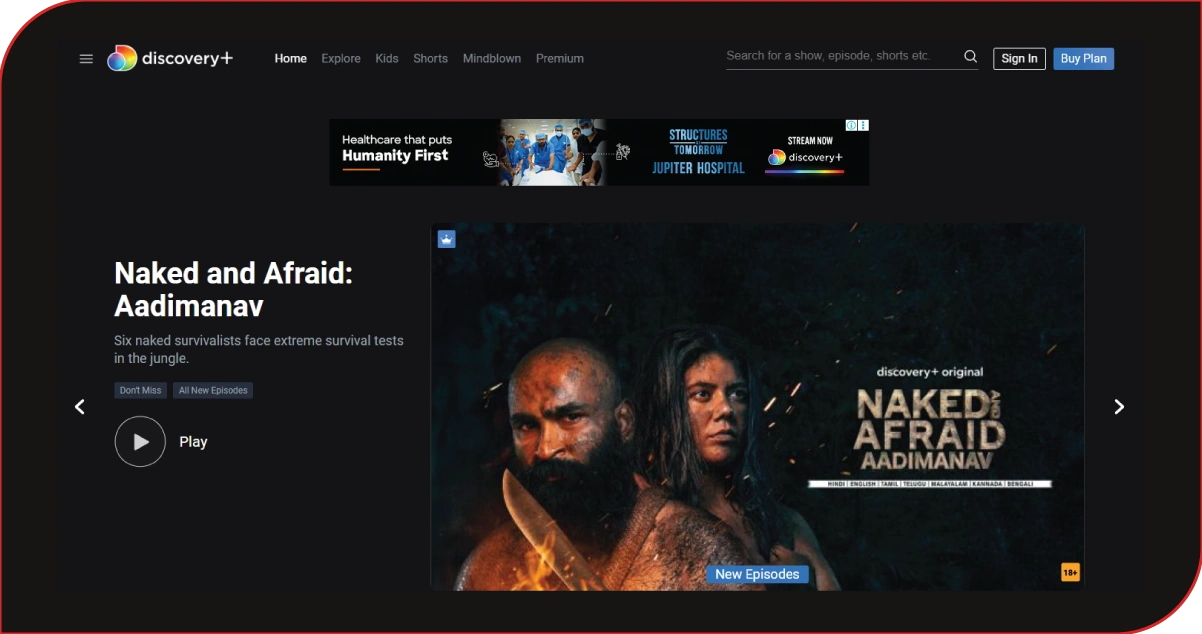
Audience segmentation becomes more reliable when streaming businesses evaluate detailed catalog attributes alongside viewer engagement behavior. OTT viewers have different preferences based on genres, formats, themes, episode lengths, ratings, and content availability. Grouping these preferences into meaningful segments helps platforms deliver relevant content suggestions and improve viewing satisfaction.
Businesses can Scrape TV Shows Data to collect show titles, genre labels, descriptions, seasons, episode counts, release years, ratings, and availability information. For example, viewers who frequently watch investigative documentaries can receive recommendations for similar crime-based programs, while audiences interested in cooking content may receive food, travel, and lifestyle suggestions.
Industry research indicates that personalized recommendations influence over 70% of viewer content consumption across leading OTT platforms. Structured information helps platforms identify audience patterns, improve recommendation relevance, and reduce the likelihood of subscribers leaving because they cannot find suitable content.
| Viewer Data Point | Personalization Value | Business Impact |
|---|---|---|
| Genre preferences | Identifies viewing interests | Improves title suggestions |
| Episode completion rates | Measures engagement quality | Supports retention planning |
| Show ratings | Indicates viewer satisfaction | Enhances ranking decisions |
| Release year | Evaluates content freshness | Improves catalog placement |
| Content descriptions | Supports title classification | Enables related-content matching |
Using Discovery+ Show Ratings Data Scraping, businesses can evaluate audience-facing feedback and identify titles with stronger approval across categories. Combined with genre, description, cast, and episode details, this intelligence supports better segmentation, targeted campaigns, improved content visibility, and more relevant streaming experiences.
Monitoring Evolving Entertainment Preferences Across Viewer Categories
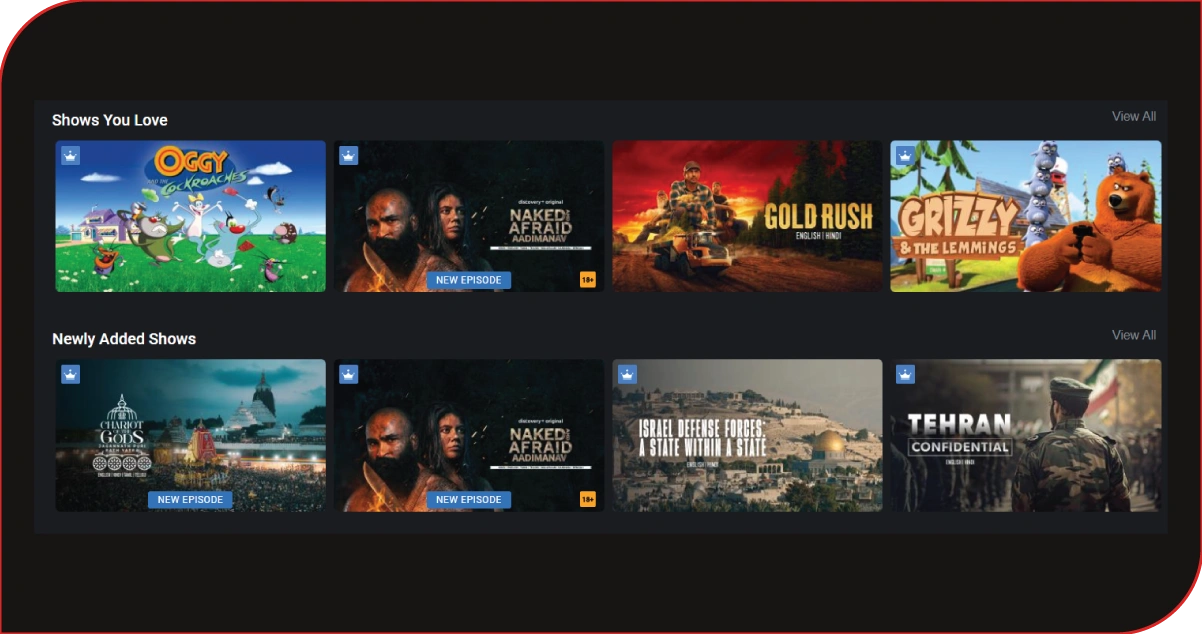
Viewer interests shift frequently because new releases, seasonal viewing habits, social conversations, celebrity activity, and emerging formats influence what audiences choose to watch. A title that receives limited attention today may become popular later due to public discussions, media coverage, or related entertainment trends.
Discovery+ Data Scraping Enhance Content Trend analysis by collecting updated information about title availability, ratings, category placement, episode releases, and program visibility. This information allows businesses to identify changing genre preferences, evaluate title movement, and understand which themes are attracting increased audience attention.
For instance, documentary programs may receive higher engagement after major events, while cooking, travel, and lifestyle content may attract more viewers during specific seasons. Industry findings show that audiences are more likely to engage with suggested titles when recommendations reflect recent additions, rising themes, and popular programming categories.
| Trend Indicator | Data Collected | Recommendation Benefit |
|---|---|---|
| New title additions | Release date and category | Promotes recent programming |
| Rating movement | Audience score changes | Highlights rising titles |
| Genre growth | Category-level updates | Supports trend-led suggestions |
| Episode releases | New season availability | Encourages continued viewing |
| Content tags | Themes and labels | Improves related-title matching |
With Discovery+ Streaming Metadata Scraping Services, businesses can collect structured title details such as summaries, genres, language options, runtime, release dates, cast information, and episode records. These fields improve content classification and help recommendation systems recognize meaningful similarities between programs.
Strengthening Catalog Planning Through Structured Content Insights
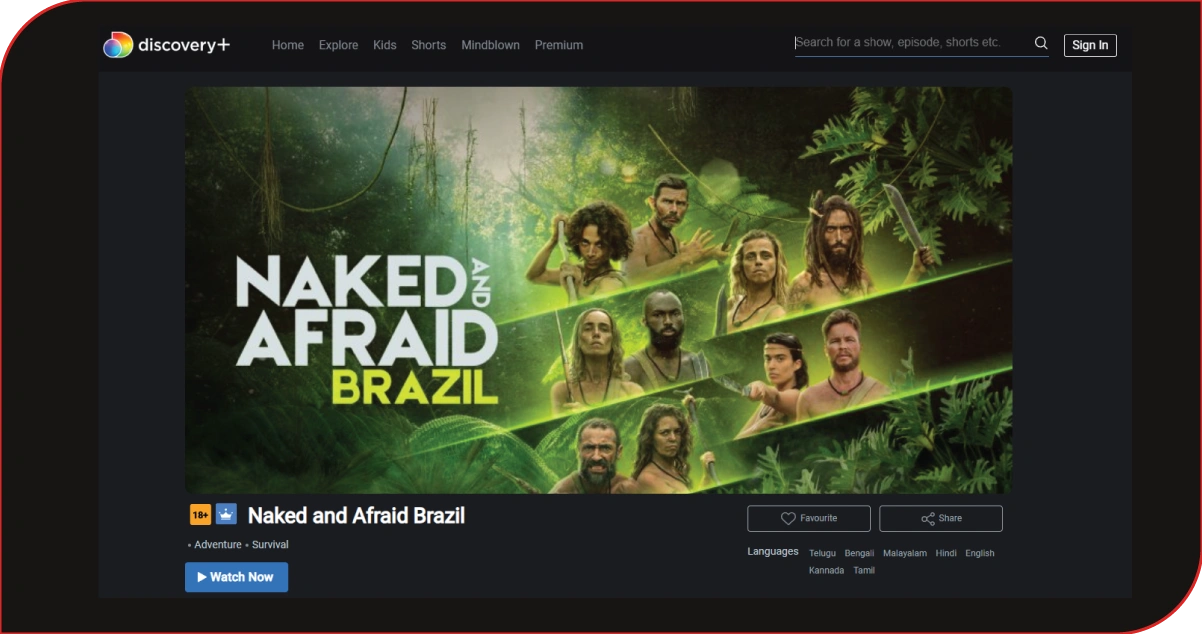
Reliable recommendations depend on complete, updated, and well-organized catalog information. Incomplete records or outdated title details can reduce recommendation accuracy, weaken audience targeting, and create missed programming opportunities. Businesses can use Datasets to compare catalog performance across genres, regions, and programming formats.
Organized title records can include show names, genres, ratings, release schedules, episode details, descriptions, regional availability, language options, and other relevant attributes. Industry studies indicate that viewers are more likely to leave a streaming service when they cannot quickly find relevant content, making accurate catalog organization essential for improving satisfaction and watch time.
Using a Discovery+ Dataset for Entertainment Research, analysts can study entertainment patterns at scale, including genre distribution, rating variations, content visibility, and title categorization. This intelligence can support production studios, media agencies, OTT consultants, advertisers, and technology providers.
| Catalog Element | Analytical Use | Operational Benefit |
|---|---|---|
| Title metadata | Classifies programs accurately | Improves search results |
| Genre information | Groups similar entertainment | Supports audience targeting |
| Episode details | Tracks series structure | Encourages continued viewing |
| Regional availability | Identifies market variation | Supports localization planning |
| Viewer feedback | Measures title relevance | Improves ranking quality |
Well-maintained catalog intelligence also helps teams monitor title additions, updates, and removals. Organized information therefore strengthens recommendation quality, improves catalog planning, and supports more consistent audience engagement.
How OTT Scrape Can Help You?
Streaming businesses require accurate, timely, and well-organized content intelligence to improve personalization, catalog planning, and audience engagement. In the middle of this process, Discovery+ Data Scraping for Recommendation Systems can support better recommendation accuracy by converting catalog information into structured data that is easier to analyze and apply.
Our approach includes:
- Monitor title availability across categories and regions
- Track show ratings and audience-facing signals
- Compare genres, themes, and episode structures
- Identify newly added and recently updated content
- Improve content classification for recommendation engines
- Support catalog planning with organized intelligence
These capabilities help OTT platforms, media agencies, entertainment researchers, and content strategists make decisions based on measurable data rather than assumptions. Businesses can also Scrape Discovery+ Catalog Data for Market Research to understand catalog positioning, genre distribution, regional availability, and title-level changes.
Conclusion
Streaming personalization depends on accurate content intelligence, detailed metadata, audience signals, and timely catalog monitoring. When businesses apply Discovery+ Data Scraping for Recommendation Systems within their analytics workflows, they can improve viewer segmentation, refine content matching, and create recommendations that better reflect audience interests.
Organizations can also use the Discovery+ Data API for OTT Intelligence to access structured information for catalog research, trend analysis, and recommendation development. Contact OTT Scrape today to build a scalable streaming intelligence solution that improves content decisions, audience engagement, & OTT personalization outcomes.