
Introduction
OTT platforms in 2026 are no longer competing only on content volume, they are competing on precision. In this environment, the biggest advantage comes from understanding what audiences actually watch, skip, rewatch, and abandon. This is where YouTube TV Streaming Data for OTT Analytics becomes a critical driver for smarter programming decisions and measurable revenue improvement.
With the rise of data-backed decision-making, OTT businesses are shifting from instinct-based content investments to insight-driven strategies. Platforms now require deeper visibility into content popularity, viewing time distribution, category performance, and ad engagement patterns.
Understanding how YouTube TV performs across genres, channels, and regional markets helps OTT brands refine their own roadmap. For this reason, advanced YouTube Data Scraping Services have become a strategic solution for extracting structured streaming intelligence. In 2026, analytics is no longer a supporting feature.
Turning Viewer Patterns into Smarter Content Planning
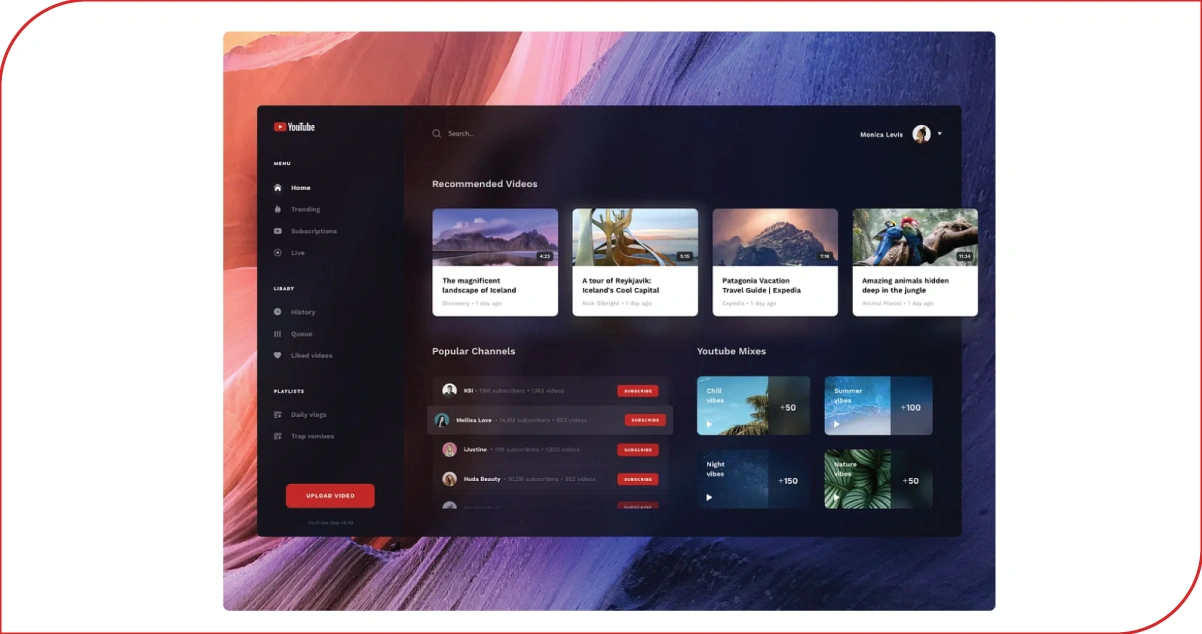
Many OTT platforms invest heavily in building massive content libraries, yet still struggle to identify what truly drives long-term engagement. When platforms begin to Analyze YouTube TV Data for Content Insights, they can detect which titles generate consistent interest and which ones lose audiences within the first few minutes.
In 2026, streaming businesses are shifting toward structured performance monitoring because it helps reduce wasted acquisition spending. This is where OTT Content Intelligence becomes valuable, allowing teams to forecast trends before competitors and refine their investment roadmap.
Additionally, content planning becomes more accurate when platforms measure regional and seasonal demand patterns. When this process is supported by YouTube TV Streaming Analytics and Insights, OTT platforms can improve recommendation strategies, boost session duration, and reduce content drop-offs.
This approach ensures content budgets are aligned with measurable viewer demand rather than assumptions. As a result, platforms build stronger libraries, improve subscriber satisfaction, and increase ROI by focusing only on high-performing categories.
| Content Metric Tracked | Common Platform Challenge | Value After Optimization |
|---|---|---|
| Completion Rate | Drop-offs remain hidden | Stronger retention clarity |
| Genre Performance | Wrong content investment | Better planning accuracy |
| Peak Viewing Time | Poor scheduling decisions | Improved release timing |
| Repeat Viewing | No loyalty measurement | Higher content relevance |
| Regional Demand Trends | Weak localization | Smarter market targeting |
Improving Advertising Returns with Better Signals
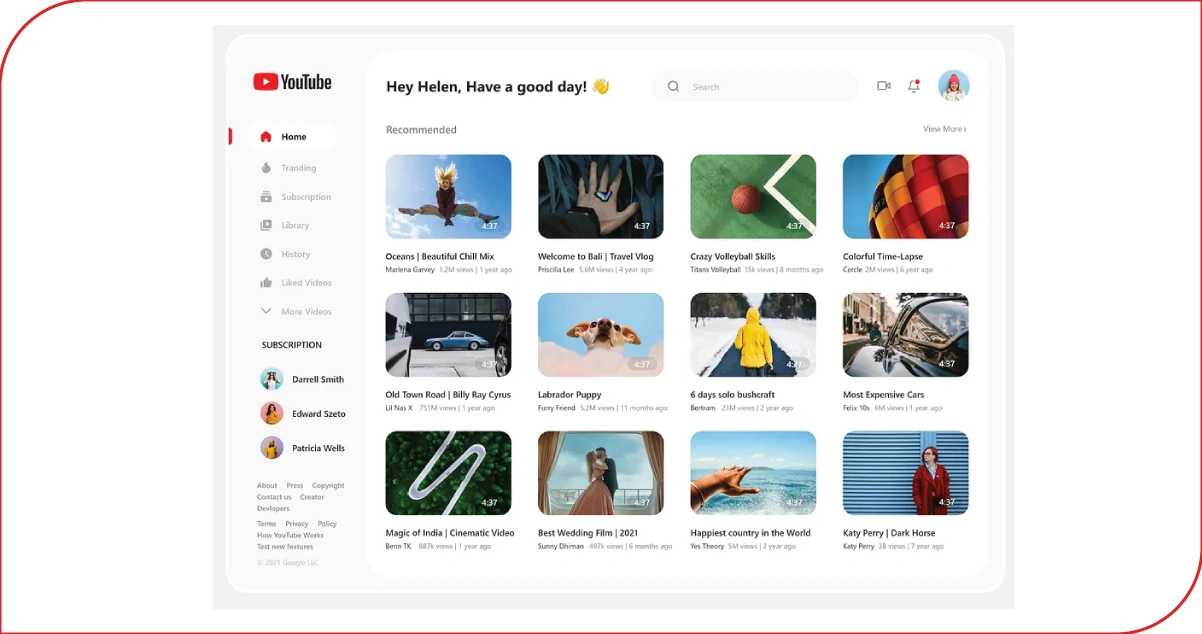
Advertising success in OTT depends on precision, but many platforms still deliver campaigns using broad targeting assumptions. By applying Streaming Platform Analytics, OTT businesses can understand how viewers behave around ad breaks, what content categories drive better ad engagement, and which viewing sessions deliver higher conversion potential.
Instead of relying on generalized reporting, streaming businesses can track patterns such as ad completion rates, skip frequency, and session duration changes. These insights allow platforms to adjust ad placement timing and reduce user frustration caused by repetitive interruptions.
Advertising performance also improves when platforms understand which content formats deliver higher engagement. This is why structured datasets supporting OTT Audience Behavior Analysis are important, because they help segment ad targeting based on actual viewing habits rather than predicted demographics.
In 2026, advertisers demand transparency, and OTT platforms that provide measurable reporting are more likely to secure repeat campaigns. With structured insights, ad inventory becomes more valuable, campaigns become more efficient, and viewer satisfaction remains stable.
| Advertising KPI | Issue Without Data Visibility | Performance Benefit After Tracking |
|---|---|---|
| Ad Completion Rate | Low engagement measurement | Higher ad value |
| Ad Skip Frequency | Unidentified viewer frustration | Reduced skip patterns |
| Session Duration | Weak monetization planning | More impressions served |
| Targeting Accuracy | Broad segmentation | Better campaign results |
| Advertiser Retention | Limited performance reporting | Stronger renewal rates |
Building Stronger Roadmaps Through Market Comparison
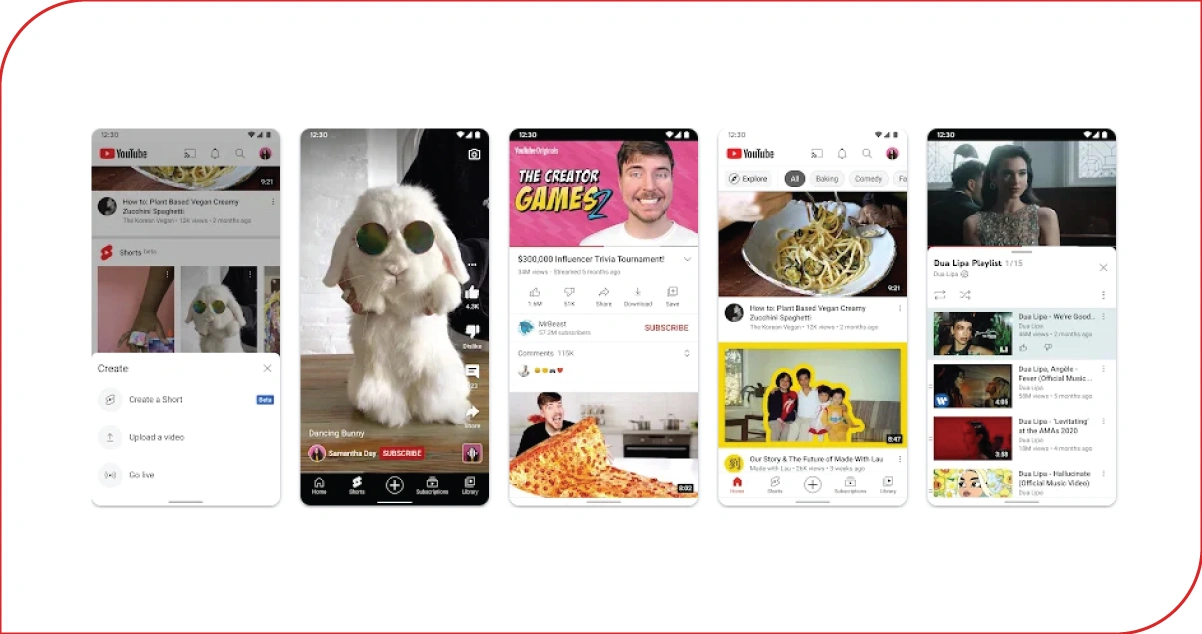
OTT competition in 2026 is accelerating fast, with platforms battling for visibility across both regional and global audiences. By using tools to Scrape Movies Data from rival platforms, OTT brands can understand what performs best, enabling smarter content acquisitions, stronger launch planning, and more impactful feature enhancements.
Competitive benchmarking helps OTT brands avoid costly mistakes such as launching oversaturated genres or investing in declining content formats. By monitoring content performance patterns, platforms can refine their release calendar, improve retention planning, and identify growth segments earlier.
These signals allow decision-makers to improve localization planning, create targeted bundles, and adjust platform experience based on real demand. When businesses apply structured monitoring supported by YouTube TV Streaming Data for OTT Analytics, they gain better insight into market movement and audience preference changes.
This approach strengthens long-term strategy because it improves content forecasting, reduces churn risks, and ensures platform updates align with real market behavior. In a highly competitive environment, better benchmarking directly leads to better investment decisions and stronger subscriber growth.
| Benchmarking Factor | What OTT Platforms Measure | Strategic Benefit |
|---|---|---|
| Genre Growth Trends | Rising vs declining categories | Smarter acquisition planning |
| Regional Demand Shifts | Location-based performance changes | Better localization |
| Viewer Engagement Cycles | Seasonal and event-based spikes | Stronger release timing |
| Content Launch Impact | Performance after release | Faster optimization |
| Market Competition Signals | Competitor engagement patterns | Stronger roadmap decisions |
How OTT Scrape Can Help You?
In the middle of this challenge, YouTube TV Streaming Data for OTT Analytics plays a critical role in delivering accurate tracking, deeper visibility, and smarter decision-making.
Our Core Support Includes:
- Automated data collection for streaming libraries.
- Structured datasets for category and title monitoring.
- Real-time tracking of performance fluctuations.
- Multi-region data extraction support.
- Custom reports for competitive benchmarking.
- Clean data delivery formats for analytics tools.
By implementing scalable workflows, businesses can confidently Analyze YouTube TV Data for Content Insights and convert streaming trends into measurable performance strategies.
Conclusion
OTT businesses in 2026 are rapidly shifting toward precision-driven decisions, where content investment is measured by real performance behavior rather than assumptions. When platforms build strategy around structured YouTube TV Streaming Data for OTT Analytics, they reduce wasteful acquisition spending and create smarter programming models that deliver long-term value.
At the same time, advanced planning supported by Streaming Platform Analytics improves advertising efficiency, audience retention, and competitive positioning across markets. Contact OTT Scrape today and turn streaming data into a strategy that drives higher revenue.