
Introduction
The modern film industry thrives on speed, precision, and the ability to read audience demand before trends fully emerge. With multiplex chains and digital ticketing platforms shaping viewing behavior, movie success is no longer measured only by opening-day collections. Vue Cinemas, with its wide footprint and dynamic scheduling model, produces a rich stream of information that studios, distributors, and analysts can turn into measurable intelligence.
By applying Scraping Vue Movie Data for Box Office Analysis, businesses can transform scattered listings into centralized datasets covering show timings, occupancy patterns, pricing shifts, and regional preferences. This intelligence allows faster reactions to underperforming slots and better allocation of marketing budgets. When combined with historical records, these datasets help identify patterns that influence weekend spikes or weekday drops.
An additional advantage comes from MyVue Movie Data Extraction, which helps normalize raw listings into usable formats such as CSV or APIs. This structured approach supports advanced dashboards and forecasting models without manual intervention. As competition intensifies across theatrical and streaming releases, decision-makers increasingly rely on such data-backed clarity to support smarter launches, optimized schedules, and sustained box office performance.
Transforming Theatre Listings Into Measurable Revenue Signals
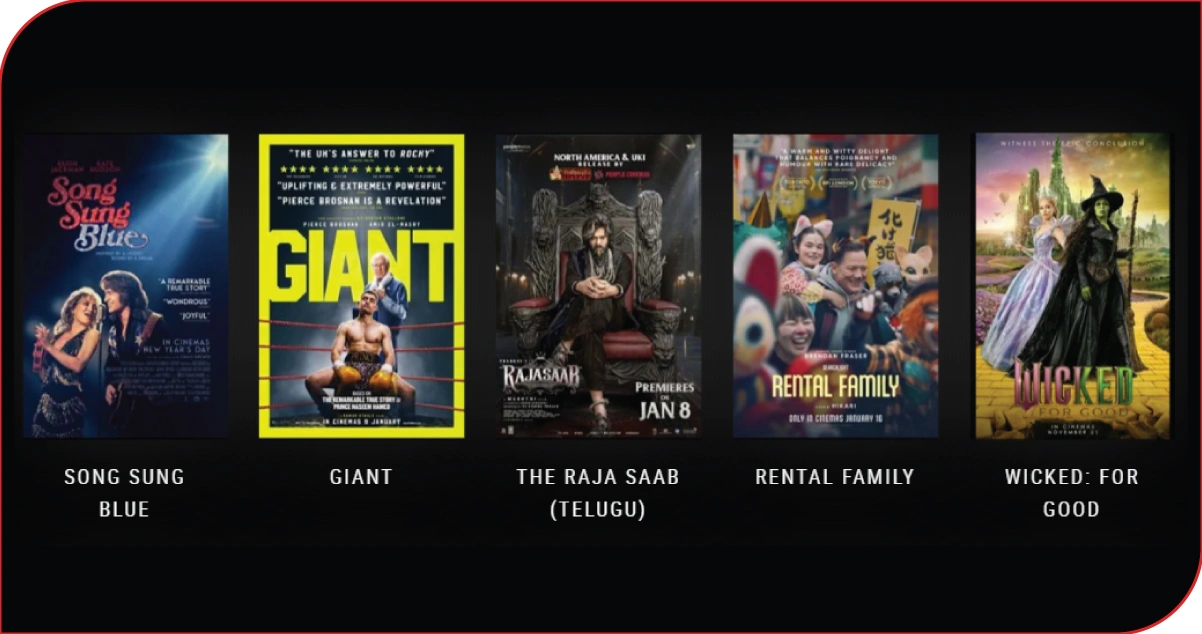
Understanding box office momentum begins with converting scattered theatre listings into structured, decision-ready intelligence. When showtimes, formats, and pricing details remain fragmented across locations, revenue forecasting becomes slow and inconsistent. Systematic extraction creates a unified view that allows analysts to identify patterns early and respond before performance plateaus.
The process begins when organizations decide to Scrape Movies Data from cinema platforms and convert it into normalized datasets. This structured flow makes it easier to evaluate how screen allocation, show frequency, and timing influence turnout. Instead of relying on anecdotal reports, analysts gain quantifiable signals tied directly to operational decisions.
A structured pipeline also supports deeper Film Performance Data Analysis by aligning scheduling variables with revenue outcomes. Analysts can compare first-week occupancy against later trends, identify underperforming slots, and model expected returns by geography. This approach reduces reaction time and improves forecast accuracy across release windows.
| Data Variable | Unstructured Observation | Structured Intelligence |
|---|---|---|
| Show frequency | Manual review | Automated tracking |
| Screen utilization | Limited visibility | Theatre-level mapping |
| Pricing changes | Delayed detection | Real-time comparison |
| Revenue indicators | Weekly summaries | Daily performance trends |
By transforming raw listings into measurable signals, stakeholders replace intuition with clarity. The result is faster insight cycles, reduced revenue risk, and informed decisions that align operational execution with audience demand.
Reading Audience Demand Across Locations And Timeframes
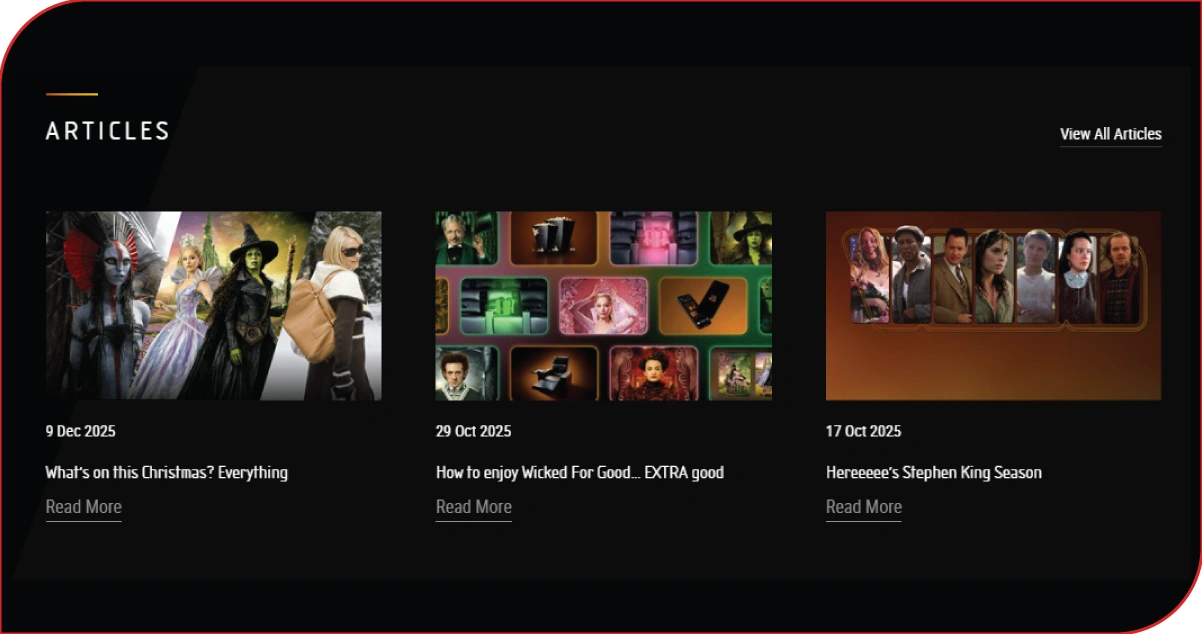
Audience interest is rarely uniform across cities, days, or show timings. Without structured intelligence, it becomes difficult to distinguish temporary fluctuations from sustained demand. Organizing theatre-level data enables businesses to identify where momentum builds and where corrective action is required.
A unified view of schedules and occupancy helps analysts observe how weekday demand differs from weekends, or how evening shows outperform matinees in specific regions. By applying Movie Schedule Data Scraping, teams can track how adjustments in timing or frequency affect attendance outcomes. These insights support proactive refinements rather than reactive course corrections.
Demand intelligence also reveals behavioral nuances. For example, regional language formats may outperform national releases in select cities, while premium formats may show stronger late-night traction. These patterns help distributors optimize promotional messaging and exhibitors fine-tune programming strategies based on observed audience response.
| Demand Indicator | Without Structuring | With Structured View |
|---|---|---|
| City-wise turnout | Estimated manually | Quantified by location |
| Time-slot trends | Assumptions | Hour-level visibility |
| Format preference | Generalized insights | Segment-specific data |
| Demand consistency | Delayed recognition | Continuous monitoring |
By interpreting demand through structured schedules, businesses gain confidence in allocation decisions. This clarity allows teams to amplify successful slots, adjust underperforming ones, and align resources with actual viewing behavior rather than assumptions.
Refining Release Planning Through Competitive Visibility
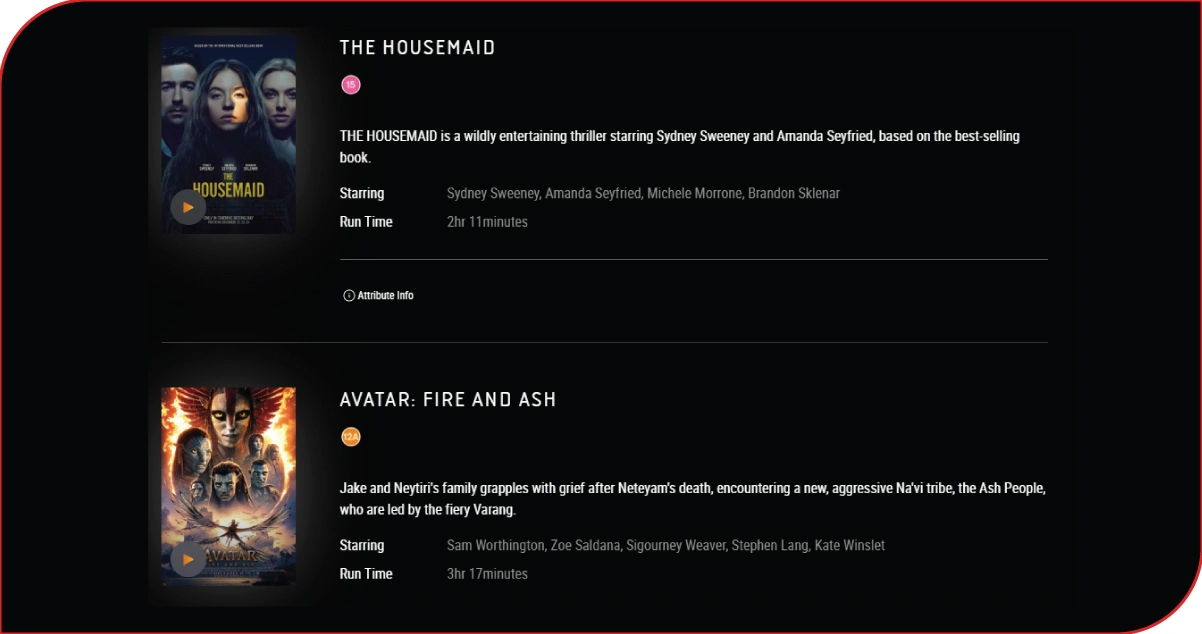
Theatrical performance is heavily influenced by release timing and competitive context. When multiple titles enter the market simultaneously, screen availability and audience attention are divided. Understanding these dynamics requires consistent comparative visibility across theatres and formats.
Structured intelligence allows analysts to evaluate how competing releases affect screen distribution and attendance density. With Cinema Website Data Scraping, teams can benchmark performance across overlapping titles, identifying whether declines stem from competition, scheduling conflicts, or audience fatigue. This visibility supports informed negotiations and smarter calendar planning.
Comparative insights also strengthen forecasting accuracy. By integrating Box Office Data Analysis, stakeholders can assess revenue velocity against similar historical releases and adjust expectations early. This reduces uncertainty and enables targeted interventions, such as reallocating screens or extending high-performing runs.
| Competitive Factor | Traditional Assessment | Data-Driven Evaluation |
|---|---|---|
| Release overlap | Post-release review | Pre-release modeling |
| Screen competition | Anecdotal feedback | Quantified benchmarks |
| Revenue pacing | Weekly aggregation | Daily trend comparison |
| Format cannibalization | Manual checks | Automated detection |
How OTT Scrape Can Help You?
Strategic movie intelligence becomes significantly more powerful when delivered through scalable, automated pipelines. By applying Scraping Vue Movie Data for Box Office Analysis within enterprise-grade workflows, businesses can move from delayed reporting to real-time performance visibility.
- Automated extraction across multiple locations and formats.
- Structured datasets optimized for analytics platforms.
- Scalable pipelines supporting high-frequency updates.
- Accuracy validation to reduce data noise.
- Custom delivery formats aligned with business workflows.
- Secure handling of large-scale movie intelligence.
After deployment, teams gain consistent visibility across theatres, formats, and time slots without operational overhead. When combined with Cinema Website Data Scraping, we ensure reliable, repeatable access to high-impact movie intelligence at scale.
Conclusion
Data-backed decision-making has become the foundation of modern theatrical success. By integrating Scraping Vue Movie Data for Box Office Analysis into analytics workflows, stakeholders can respond faster to demand shifts, optimize screening strategies, and improve revenue predictability.
As competition intensifies, aligning strategy with Box Office Data Analysis is no longer optional. We empower businesses with accurate, scalable movie intelligence that drives measurable outcomes. Connect with OTT Scrape today to transform raw movie listings into actionable revenue insights that support smarter, faster growth.