
Introduction
Peak seasons create intense competition in the event industry. Whether it’s concerts, sports tournaments, film festivals, or live entertainment shows, ticket demand fluctuates rapidly based on timing, audience sentiment, and competitor pricing. Traditional pricing methods—fixed rates or manual adjustments—often fail to capture real-time shifts in market demand. This is where Ticket Pricing Strategy Using Web Scraping becomes a transformative approach for event organizers.
By collecting competitor ticket listings, monitoring seat category pricing, and analyzing historical demand patterns, businesses can adjust prices strategically rather than reactively. Event platforms today rely heavily on automated intelligence to monitor pricing across marketplaces and direct booking portals. For example, companies that Scrape Popular Sports Data can evaluate rival match ticket costs, seating patterns, and promotional cycles to refine their own pricing models during high-demand periods.
Studies indicate that dynamic pricing models powered by automated data extraction can increase ticket revenue by up to 38% during peak seasons. Instead of guessing what the market will bear, organizers make data-backed decisions that reflect real-time buyer behavior. The result is improved ticket sell-through rates, higher occupancy, and stronger overall revenue performance.
Managing Price Fluctuations During Peak Demand Surges
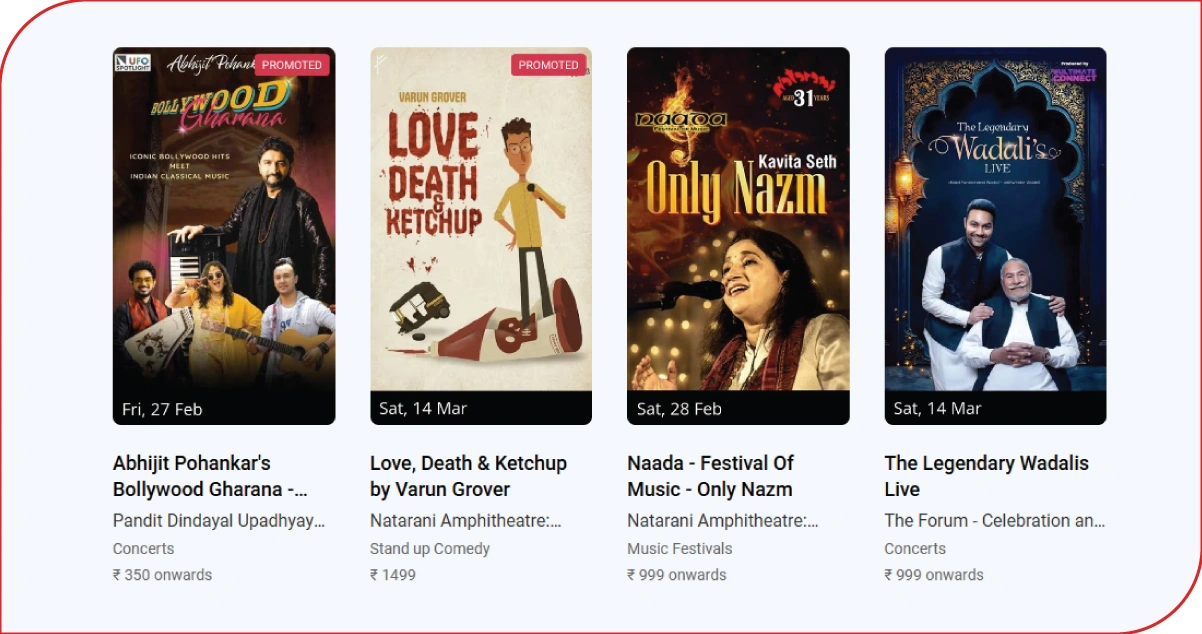
Peak seasons often create unpredictable price swings that directly impact event revenue. Organizers struggle to balance affordability with profitability when demand accelerates due to holidays, playoffs, celebrity appearances, or festival buzz. Without structured monitoring, pricing decisions rely on intuition rather than data-backed evidence. This is where Dynamic Ticket Pricing Analysis becomes essential for evaluating seat-level trends and buyer sensitivity.
Event businesses increasingly rely on Scraping Ticket Prices From Event Websites to monitor competitor listings across primary platforms and resale marketplaces. By collecting live pricing, discount structures, and category-wise adjustments, companies gain clarity on how similar events position their tickets during high-demand windows. In some cases, entertainment firms even correlate audience engagement trends from sources like Starz Movie Datasets to measure how media exposure influences purchasing behavior.
Such automated intelligence replaces reactive price drops with proactive adjustments. Instead of waiting for slow sales, organizers can gradually increase rates when demand rises or introduce strategic discounts before inventory stagnates.
Revenue Optimization Snapshot:
| Parameter | Traditional Approach | Data-Driven Approach |
|---|---|---|
| Ticket Sell-Through Rate | 70% | 85% |
| Peak Week Revenue | $450,000 | $620,000 |
| Pricing Update Frequency | Weekly | Hourly |
| Revenue Growth Impact | — | +38% |
By combining structured extraction with behavioral modeling, event managers reduce underpricing risks while preventing overpricing errors. The result is improved revenue stability, better seat allocation management, and stronger peak-season performance without excessive discounting.
Strengthening Competitive Visibility Through Live Market Monitoring
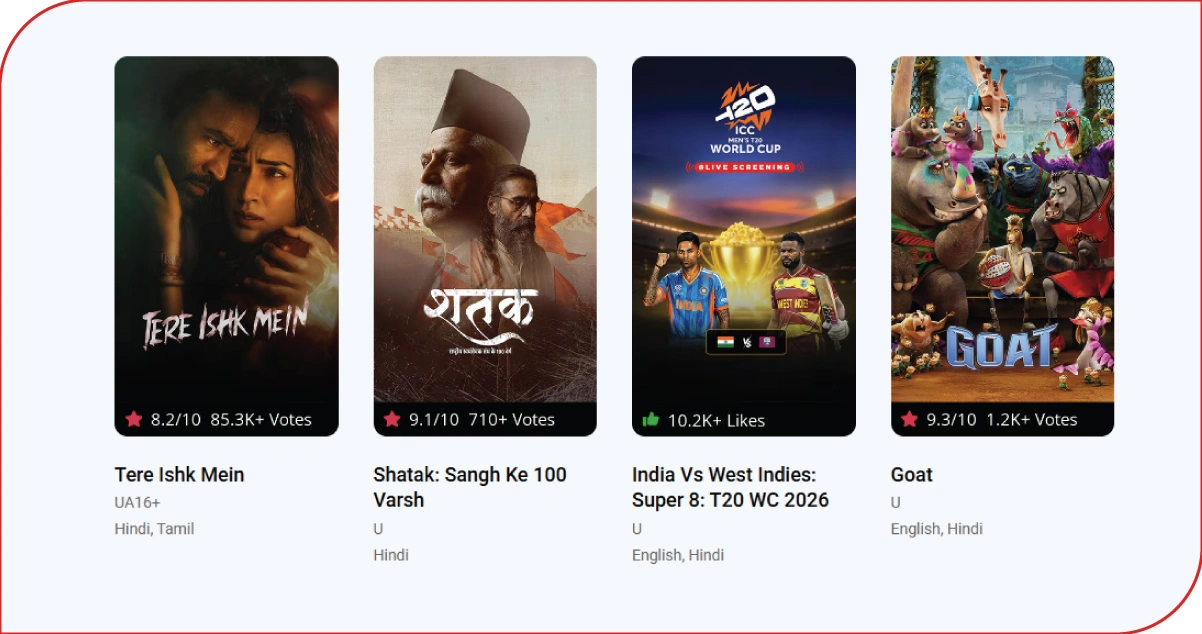
High-demand seasons intensify competition across ticketing platforms. Rival organizers frequently revise seat rates, bundle offers, and promotional discounts throughout the day. Without automated tracking, businesses may respond too slowly, losing potential conversions. Implementing Real-Time Ticket Price Tracking allows event planners to observe these changes as they happen.
Through automated systems, organizations collect competitor seat-level updates, resale fluctuations, and category pricing adjustments. This approach ensures pricing teams are informed about emerging trends rather than relying on outdated comparisons. Rapid updates reduce response delays and enable more strategic positioning.
For sports tournaments in particular, integrating Sports Event Ticket Price Tracking provides granular insight into stadium seating demand, playoff-driven spikes, and last-minute resale surges. This helps align pricing tiers with competitor benchmarks and customer expectations.
Competitive Monitoring Performance Table:
| Monitoring Metric | Manual Tracking | Automated Monitoring |
|---|---|---|
| Competitor Platforms Observed | 5–6 | 25+ |
| Update Interval | Daily | Every 15 Minutes |
| Reaction Time to Price Changes | 24 Hours | Under 1 Hour |
| Conversion Rate Improvement | +6% | +19% |
Live monitoring reduces missed opportunities during sudden demand shifts. When pricing reflects immediate market conditions, customer confidence increases, and ticket purchase decisions accelerate. Automated tracking also lowers operational workload, allowing pricing teams to focus on revenue optimization rather than manual research.
Improving Profit Margins With Advanced Revenue Intelligence Models

Revenue leakage often occurs when ticket categories are misaligned with competitor positioning and buyer demand patterns. Premium sections may be undervalued, while general seating can be overpriced relative to comparable events. Such inefficiencies lead to last-minute markdowns and margin erosion.
Modern Ticket Price Analytics Solutions help organizers evaluate elasticity trends, historical demand curves, and seat-level revenue performance. By analyzing time-based purchase patterns and competitor benchmarks, pricing strategies become structured rather than reactive.
When integrated with demand forecasting models, these analytics systems allow gradual price increases during high-traffic booking windows. Instead of abrupt hikes that discourage buyers, organizers apply phased adjustments aligned with demand acceleration.
Pricing Performance Comparison:
| Metric | Before Optimization | After Intelligence Integration |
|---|---|---|
| Premium Seat Revenue | $220,000 | $330,000 |
| Last-Minute Discount Dependency | 24% | 9% |
| Average Ticket Margin | 16% | 29% |
| Seasonal Revenue Growth | — | +38% |
With structured insights, event businesses maintain consistent revenue curves rather than experiencing unpredictable spikes and declines. Advanced analytics not only improve profitability during peak seasons but also establish long-term pricing frameworks adaptable to future events.
How OTT Scrape Can Help You?
Event businesses aiming to scale revenue during high-demand seasons require structured intelligence systems rather than manual observation. Our solutions integrate Ticket Pricing Strategy Using Web Scraping into scalable dashboards that monitor competitor trends and seat-level data.
We help event organizers:
- Collect competitor pricing across multiple marketplaces.
- Track seat-level variations and category shifts.
- Identify demand surges based on time proximity.
- Benchmark promotional campaigns and discount cycles.
- Build predictive pricing models.
- Automate revenue forecasting workflows.
With integrated reporting dashboards and automated data pipelines, our solutions transform raw data into clear pricing insights. Businesses also benefit from advanced Dynamic Ticket Pricing Analysis capabilities that support proactive adjustments rather than reactive discounting.
Conclusion
During peak seasons, pricing decisions determine whether events experience sold-out success or revenue shortfalls. By integrating Ticket Pricing Strategy Using Web Scraping into revenue planning models, organizers ensure ticket prices reflect live market demand instead of outdated assumptions.
Strategic intelligence powered by Real-Time Ticket Price Tracking helps event businesses reduce discount dependency while improving margins and sell-through rates. Ready to increase ticket sales by 38% during peak seasons? Connect with OTT Scrape today and transform your event pricing strategy into a data-driven revenue engine.