
Introduction
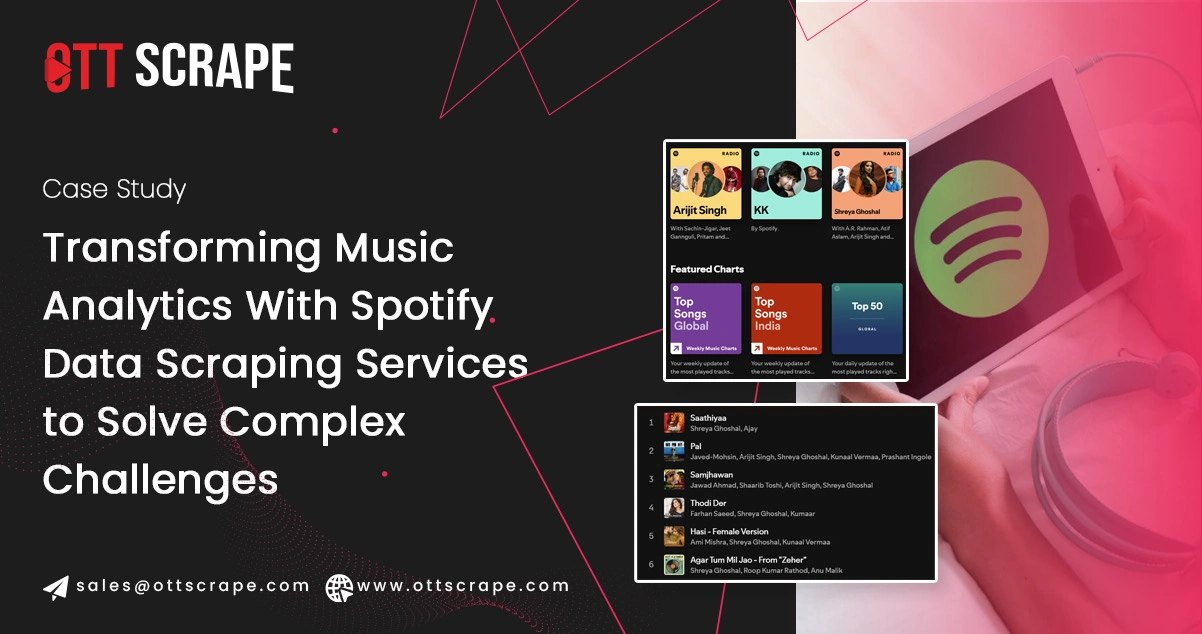
In today’s digital music ecosystem, understanding listener behavior and platform trends is critical for strategic decision-making. Our Spotify Data Scraping Services provided a seamless solution for a music intelligence client, enabling them to collect structured data from millions of tracks, playlists, and user interactions. This automated approach replaced time-consuming manual monitoring, giving the client real-time visibility into emerging artists, trending playlists, and audience engagement patterns across multiple regions.
To convert this massive data into actionable insights, we leveraged Python Spotify Data Analysis techniques that enabled complex analytics and visualization. By applying statistical models and algorithmic processing to the extracted datasets, the client could identify patterns in genre popularity, listener demographics, and playlist interactions. This approach not only enhanced forecasting accuracy but also supported decision-making in content curation, marketing campaigns, and music licensing strategies.
Finally, to ensure comprehensive coverage, our solution incorporated Scraping Spotify App Data for both web and mobile platforms. This allowed the client to capture consistent, structured information from dynamic streaming interfaces, including metadata, release information, and engagement metrics. The result was a centralized analytics ecosystem where curated music intelligence could drive faster insights, improve audience targeting, and support informed business strategies across the global music industry.
The Client

A rapidly growing music analytics company specializing in streaming intelligence approached our team to enhance their ability to monitor global listening behavior. Their goal was to consolidate fragmented data from multiple playlists, tracks, and artists into a unified system that could support strategic insights for record labels, streaming platforms, and music marketers. They were seeking a solution capable of handling large-scale extraction and analysis while maintaining high accuracy and real-time availability.
To meet their objectives, we implemented Scrape Spotify Data Music across both web and app interfaces, enabling automated collection of track metadata, playlist performance metrics, and audience engagement indicators. This allowed the client to move from manual monitoring to a scalable, automated pipeline that could consistently deliver structured datasets for analytics and reporting. The system also supported tracking of emerging artists, viral tracks, and listener trends in multiple regions, providing actionable insights for marketing campaigns and content strategy.
The client also required robust visualization and reporting capabilities to interpret vast volumes of data. With a centralized analytics platform, they could perform cross-genre comparisons, evaluate playlist popularity, and assess engagement trends. By integrating real-time streaming insights, their analysts were able to make faster, data-driven decisions and optimize their music intelligence offerings to stay ahead of rapidly changing trends in the entertainment industry.
Key Challenges
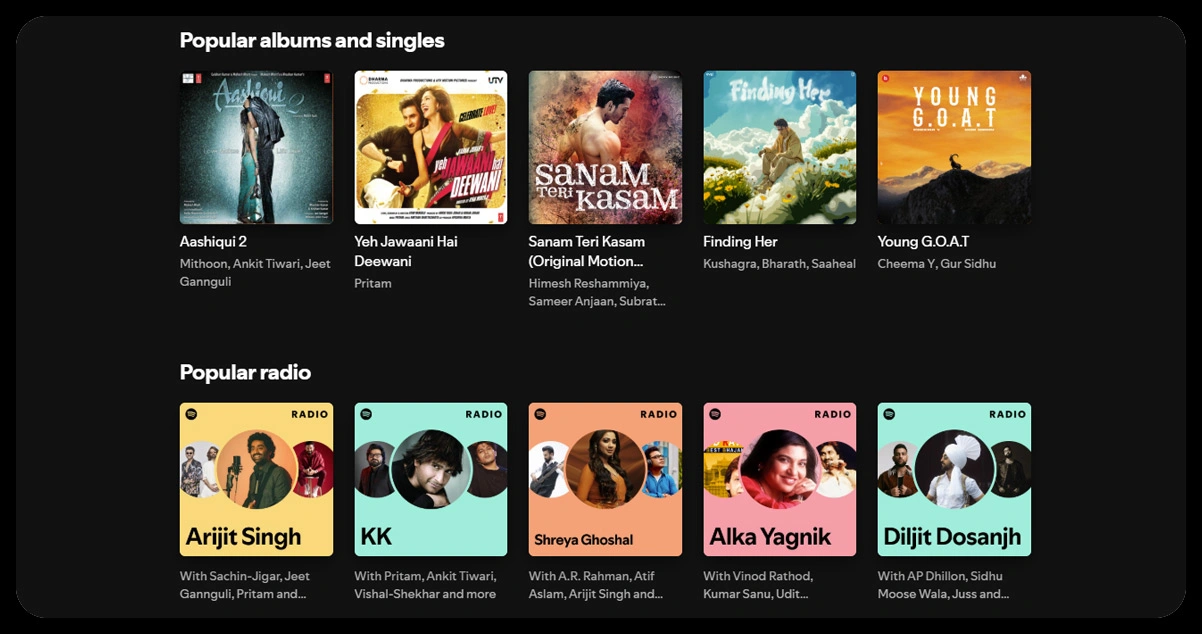
The client initially struggled with fragmented music streaming data, which made trend analysis and audience insights highly inefficient. Their internal systems were unable to scale, and manual processes slowed down the detection of emerging tracks. Furthermore, frequent changes in playlists and track metadata complicated efforts to maintain accurate reporting, highlighting the need for a reliable framework capable of handling large-scale streaming data through Web Scraping Spotify Data Music.
Another critical challenge involved the complexity of performing advanced analytics on diverse datasets. Without automation, analysts had to manually clean and structure streaming information, which often led to inconsistencies. The team needed a solution that could support structured aggregation while enabling predictive insights, requiring integration with advanced tools for Python Spotify Data Analysis that could process and interpret complex music datasets efficiently.
Finally, the client faced limitations in tracking real-time engagement trends across multiple regions. Detecting viral tracks, playlist surges, and artist growth was difficult due to inconsistent data feeds and changing platform APIs. They required a system capable of continuously monitoring streams, playlists, and user interactions, which necessitated leveraging automated methods to Scraping Spotify Streaming Data Analysis effectively.
Key Solutions
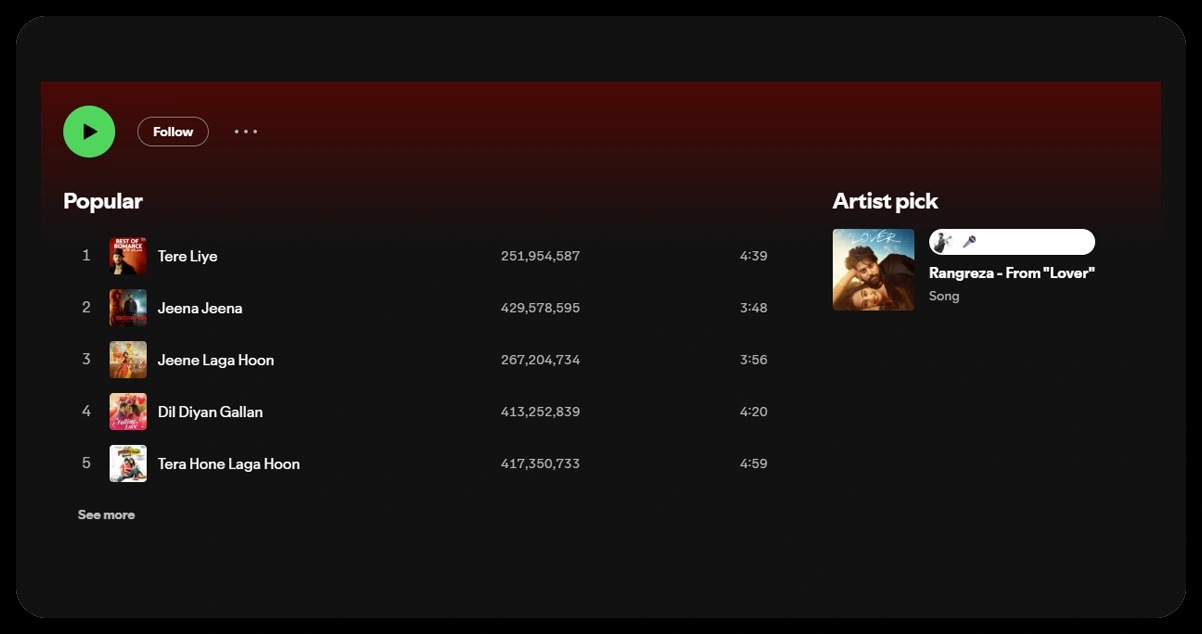
To address these challenges, we built a fully automated music analytics pipeline that transformed raw streaming information into structured, actionable insights. The system could extract comprehensive datasets including track metadata, playlist details, and user engagement patterns, ensuring real-time visibility and scalability. Our solution incorporated Scraping Spotify App Data to handle dynamic interfaces and platform variations, ensuring uninterrupted data collection.
We also implemented robust analytical frameworks to empower the client’s team with deep insights. By integrating Spotify Dataset Analysis techniques, analysts could perform cross-genre evaluations, track engagement trends, and measure playlist popularity without the need for manual intervention. This significantly improved the speed and accuracy of their reporting and forecasting processes.
Additionally, we enhanced the solution with interactive visualization capabilities, enabling intuitive interpretation of large datasets. The system supported automated dashboards and reporting tools, allowing decision-makers to detect patterns, identify trends, and optimize strategies quickly. Leveraging Step by Step Spotify Data Visualization in Python, the client could generate actionable insights while reducing reliance on manual data preparation.
Detailed Strategic Impact Overview of Music Data Analytics
| Metric | Before Implement | After Implement | Improvement | Coverage Regions |
|---|---|---|---|---|
| Tracks Monitored Daily | 5,000 | 150,000 | 2900% | 12 |
| Playlists Tracked | 1,200 | 35,000 | 2816% | 10 |
| Data Processing Time (hrs) | 48 | 2 | 95% Reduction | Global |
| Artists Analyzed | 800 | 20,000 | 2400% | 15 |
| Streaming Engagement Insights | 2,500 | 60,000 | 2300% | 12 |
The above table demonstrates the substantial improvements achieved through our solution. By automating data collection and analysis, the client experienced exponential growth in the number of tracks, playlists, and artists monitored. Leveraging tools to Scrape Spotify Data Music enabled them to expand regional coverage while reducing processing time, transforming raw streaming data into actionable insights in a fraction of the time previously required.
Additionally, the enhanced analytics capabilities allowed the team to generate comprehensive engagement metrics across global music platforms. Using Spotify API Data Analysis, the client could track and visualize audience behavior, playlist performance, and artist popularity more effectively, supporting faster decision-making and better-targeted strategies.
Advantages of Collecting Data Using OTT Scrape
-
Automated Music Collection
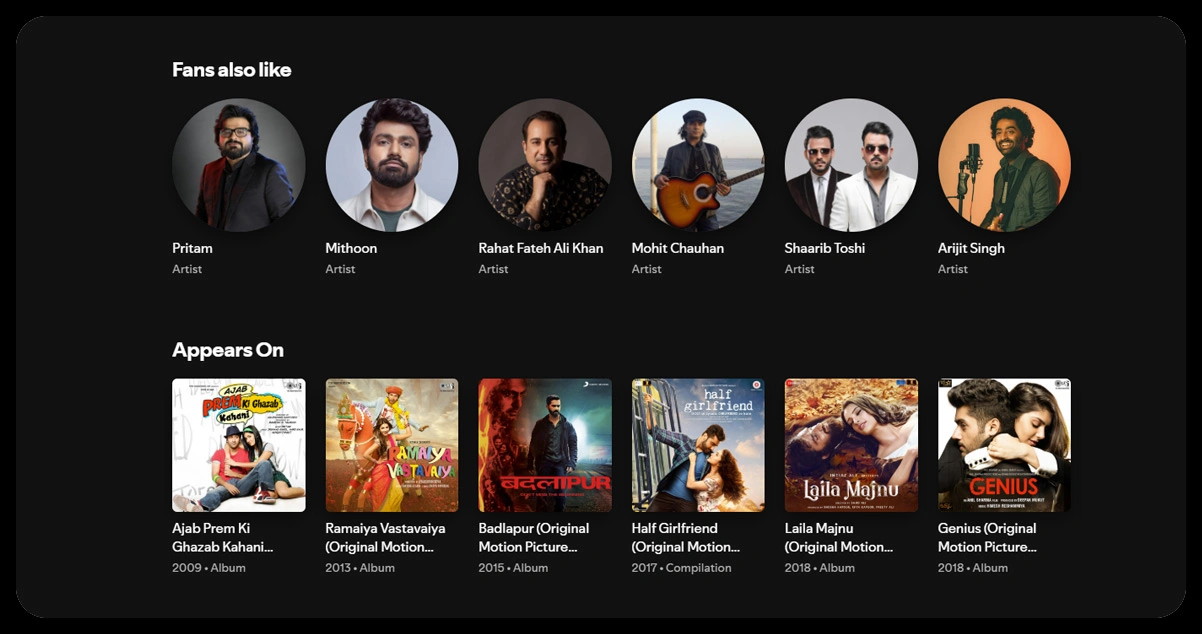
Our platform enables large-scale extraction of track and playlist data, leveraging Spotify Data Scraping Services to generate organized and actionable streaming intelligence consistently. -
Enhanced Data Analytics
We provide robust frameworks for Python Spotify Data Analysis, allowing in-depth exploration of trends, engagement patterns, and audience behavior across multiple global music platforms. -
Comprehensive Platform Coverage
The system performs Scraping Spotify App Data efficiently across mobile and web interfaces, ensuring structured datasets are captured from dynamic and frequently updated music platforms. -
Structured Streaming Insights
Using tools to Scrape Spotify Data Music, we transform fragmented playlist and artist metrics into clean, consistent data, supporting strategic content recommendations and market trend analysis. -
Visualized Data Reporting
Our solution integrates Step by Step Spotify Data Visualization in Python for intuitive dashboards, enabling stakeholders to interpret metrics, detect patterns, and optimize music intelligence decisions effectively.
Client's Testimonial
Conclusion
The collaboration resulted in a highly efficient analytics infrastructure capable of processing millions of streaming signals daily. By implementing advanced Spotify Data Scraping Services, the client successfully transformed fragmented platform data into structured intelligence used for artist tracking, playlist monitoring, and audience behavior analysis.
Our experts also guide you on How to Analyze Spotify Data Using Python so you can build advanced dashboards, uncover hidden patterns, and make smarter data‑driven decisions in the fast‑moving entertainment industry. Contact OTT Scrape today to discover how we can help your organization unlock powerful streaming insights and transform raw platform information into actionable music intelligence.