
Introduction
The global film industry is driven not only by box office collections but also by how audiences emotionally connect with movies. With millions of viewers sharing opinions online, review platforms like IMDb have become powerful sources of real-time market signals. Studios, OTT platforms, and film marketers now rely on advanced data techniques to understand what resonates with viewers, why certain genres trend, and how audience sentiment shifts across regions.
Today, analysts rely on automated systems to scrape massive volumes of public feedback and convert raw text into actionable intelligence. This approach helps industry players to Scrape Movies Data efficiently while identifying emotional cues such as excitement, disappointment, or nostalgia across different movie categories. With over 10 million ratings available globally, IMDb’s dataset offers a treasure trove of behavioral insights that can redefine how film trends are measured.
At the heart of this transformation lies Scraping IMDb Reviews for Sentiment Analysis, a method that enables stakeholders to decode public mood, detect emerging preferences, and anticipate box office outcomes. As competition intensifies among streaming platforms and studios, harnessing sentiment-driven intelligence is no longer optional—it’s a strategic necessity for staying relevant in the fast-evolving entertainment ecosystem.
Understanding Audience Emotions from Reviews
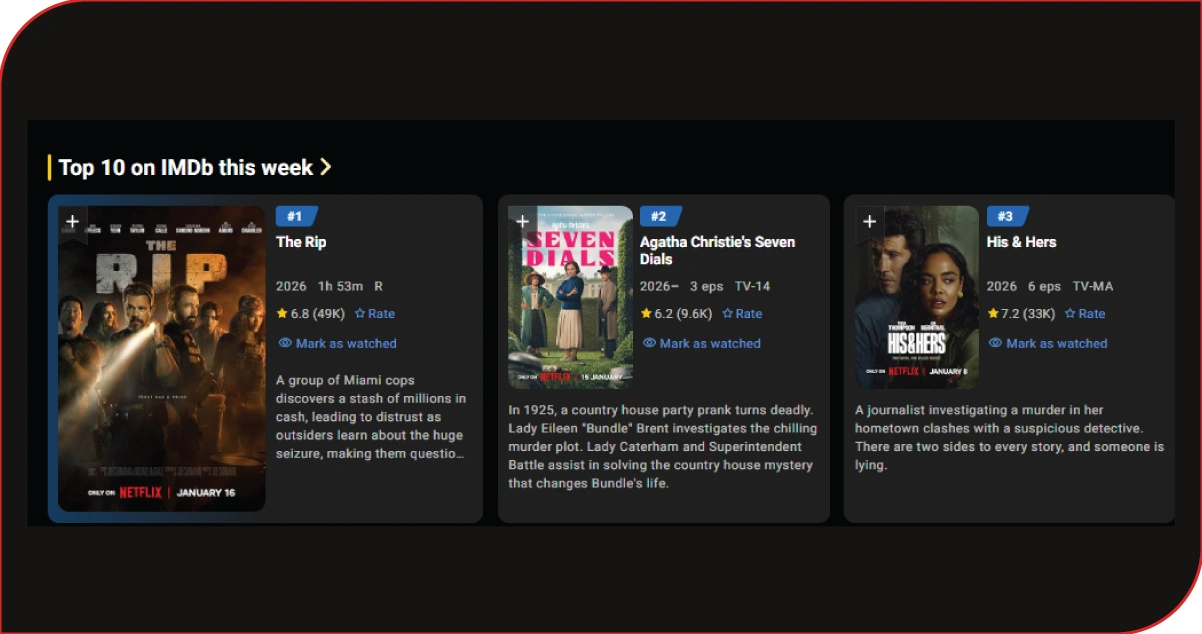
Audience emotions shape how films perform long after release. With millions of viewers expressing opinions daily, structured extraction of feedback enables studios to understand what resonates and why. Through IMDb User Reviews Scraping, analysts collect large volumes of textual data and transform them into sentiment categories such as positive, neutral, or negative. This approach highlights how storytelling quality, performances, and cultural relevance impact emotional engagement.
To streamline this process, many media firms rely on IMDb Data Scraping Services, which automate data collection and reduce manual intervention. These services ensure that new reviews are captured continuously, offering up-to-date visibility into audience reactions. When paired with advanced analytics, such systems make it easier to Scrape Movies Data at scale while identifying subtle emotional cues hidden within user comments.
A sentiment-focused approach also reveals genre-specific preferences. For instance, animation and adventure films often display higher positive sentiment due to family appeal, while experimental dramas show polarized reactions. These insights guide content development, marketing narratives, and release strategies, ensuring that studios align creativity with audience expectations rather than intuition alone.
Sample Sentiment Distribution by Genre
| Genre | Positive (%) | Neutral (%) | Negative (%) |
|---|---|---|---|
| Action | 61 | 24 | 15 |
| Drama | 47 | 32 | 21 |
| Comedy | 54 | 28 | 18 |
| Animation | 69 | 19 | 12 |
By systematically decoding emotions from large-scale reviews, studios gain a reliable foundation for strategic storytelling decisions.
Predicting Popularity Through Sentiment Correlation
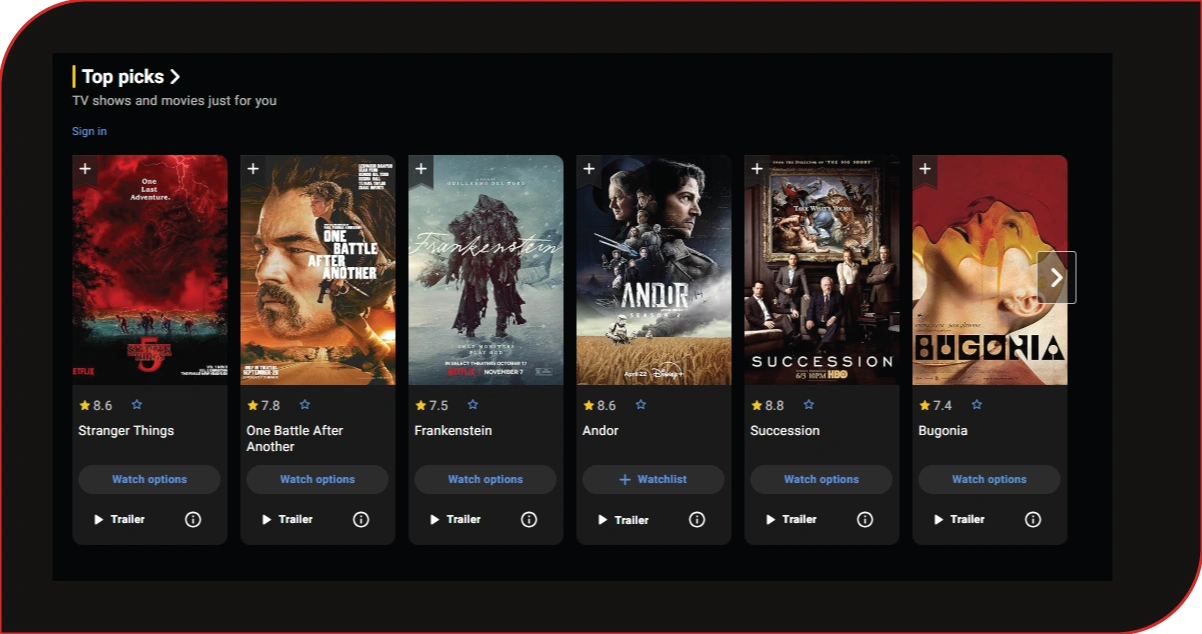
Movie popularity today is driven not just by box office revenue but by continuous audience conversations online. Using User Sentiment Analysis Movies, analysts correlate emotional tone with rating behavior, revealing how viewer perceptions influence long-term success. For example, films with higher positivity scores consistently outperform others in sustained streaming engagement and social buzz.
By combining this approach with Movie Ratings and Reviews Analytics, entertainment companies build predictive models that anticipate audience demand. Early sentiment signals derived from reviews often indicate whether a movie will achieve lasting relevance or fade quickly. This empowers distributors to adjust licensing strategies, prioritize promotional budgets, and align release schedules with market readiness.
Sentiment-driven forecasting also uncovers regional differences in taste. Sci-fi content may receive stronger emotional responses in North America, while historical narratives perform better in European markets. These insights enable studios to localize marketing campaigns and customize content positioning based on geography.
Correlation Between Sentiment and Performance
| Sentiment Score | Average Rating | Retention Rate (%) |
|---|---|---|
| 80–100% | 8.3 | 75 |
| 60–79% | 7.5 | 62 |
| 40–59% | 6.6 | 46 |
| Below 40% | 5.3 | 30 |
Through systematic sentiment correlation, decision-makers transition from reactive responses to proactive planning, minimizing financial risk while maximizing audience satisfaction.
Strategic Content Optimization Using Data
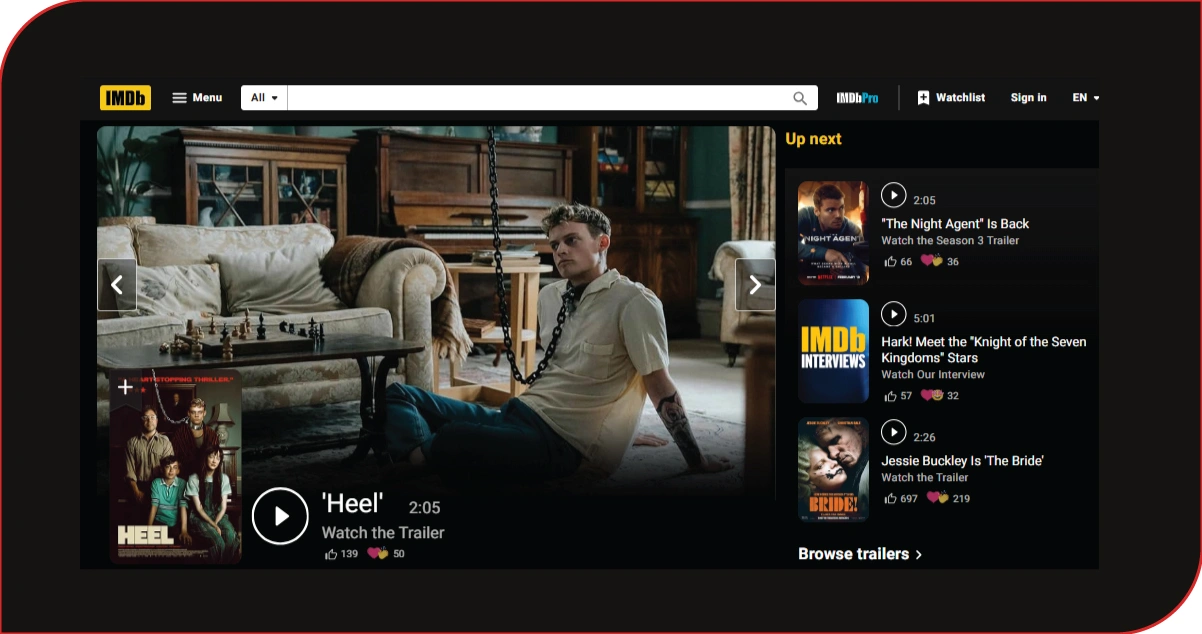
Beyond trend forecasting, analytics now play a direct role in shaping creative direction. By Using IMDb Data for Movie Trend Analysis, studios identify narrative themes, character types, and visual elements that consistently trigger positive emotional responses. For example, stories centered around strong protagonists and socially relevant plots have shown notable growth in viewer approval over recent years.
Such insights guide script development, casting decisions, and marketing messaging. If early reviews reveal dissatisfaction with pacing or dialogue, studios can recalibrate promotional strategies before wider release. This data-centric approach also helps optimize trailer content, ensuring that teasers highlight emotionally impactful moments most likely to attract viewers.
Integrating sentiment insights into broader Entertainment Data Analytics Solutions further strengthens creative and commercial alignment. These solutions unify review data with ratings, engagement metrics, and demographic insights, delivering a holistic view of audience behavior.
Top Sentiment-Driven Content Elements
| Content Element | Positive Impact (%) |
|---|---|
| Strong Protagonists | 24 |
| Socially Relevant Plot | 21 |
| Visual Effects Quality | 18 |
| Soundtrack Appeal | 15 |
| Humor Integration | 12 |
By embedding analytics into storytelling workflows, the film industry ensures that creativity evolves alongside audience expectations, reinforcing data as a core driver of cinematic success.
How OTT Scrape Can Help You?
By implementing Scraping IMDb Reviews for Sentiment Analysis, our platform delivers real-time audience mood tracking, trend forecasting, and performance benchmarking across genres and regions.
What we offer:
- Automated review collection at scale.
- Real-time sentiment dashboards.
- Regional trend segmentation.
- Predictive performance analytics.
- Custom reporting for marketing teams.
- Secure data delivery via APIs.
With our tailored Entertainment Data Analytics Solutions, we ensure that every creative and commercial decision is guided by accurate, timely, and actionable audience intelligence.
Conclusion
Modern cinema thrives on audience emotions, and sentiment analytics has become a cornerstone of strategic decision-making. By integrating Scraping IMDb Reviews for Sentiment Analysis into film intelligence workflows, studios gain a deeper understanding of viewer preferences and emotional drivers that shape long-term success.
At the same time, User Sentiment Analysis Movies empowers stakeholders to anticipate market trends, refine storytelling strategies, and maximize engagement across digital platforms. Ready to transform raw audience opinions into measurable business value? Connect with OTT Scrape today and elevate your entertainment intelligence strategy.