
Introduction
The entertainment industry thrives on real-time audience insights, with platforms like IMDb serving as the go-to source for accurate movie information, reviews, and ratings. With growing demand for instant data analysis, Scraping IMDb Data has emerged as a powerful solution to track trends, audience preferences, and content performance across various genres and regions. This method enables production houses, analysts, and marketers to access millions of data points on films, actors, and audience behavior without manual intervention.
By using advanced IMDb Web Scraping Tutorial strategies, users can automate data collection and refine content strategies with precision. Whether it’s analyzing box office hits, identifying rising stars, or understanding global viewing patterns, automated scraping techniques make it possible to evaluate key metrics efficiently.
As audiences explore multiple streaming platforms, leveraging Movie Review Scraping From IMDb allows entertainment businesses to assess film performance, track user feedback, and analyze ratings shifts in real-time. With structured data models and advanced parsing tools, companies can monitor industry trends and anticipate viewer responses, ensuring every production decision is guided by reliable analytics.
Improving Audience Understanding Through Film Feedback Analysis
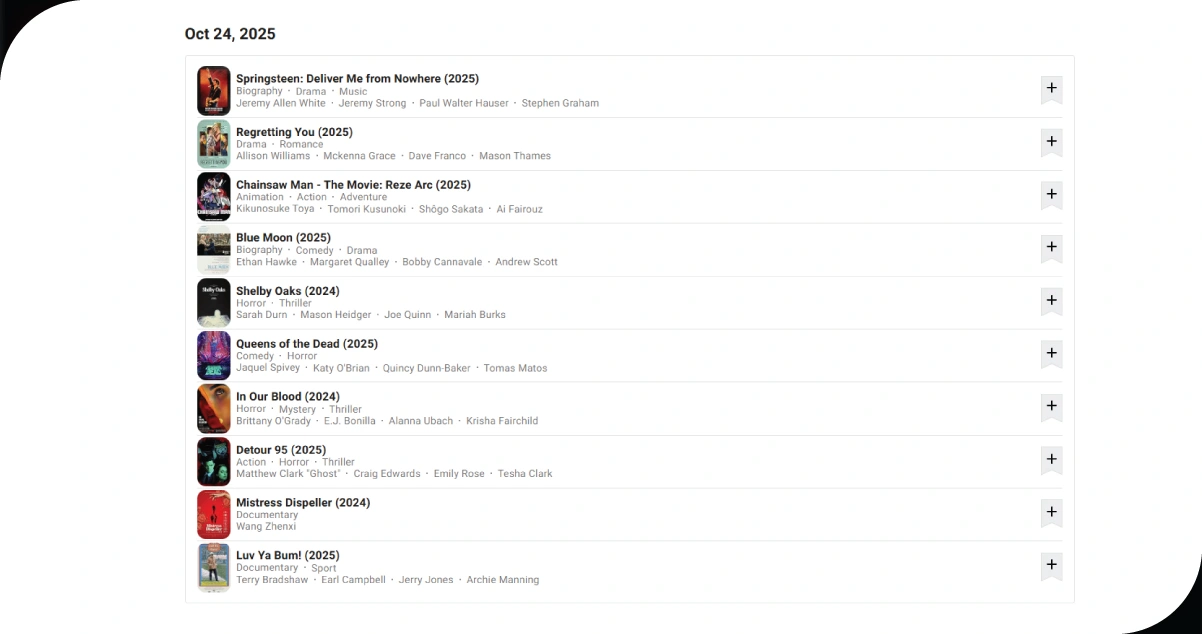
Understanding audience behavior is critical for making informed decisions in the entertainment industry. With millions of viewers sharing opinions online, collecting and interpreting this feedback becomes vital for studios, marketers, and streaming platforms. By utilizing Extract IMDb Streaming Data, analysts can retrieve structured details about films, including release dates, viewer demographics, and engagement patterns, providing a clearer view of audience preferences.
Data aggregation helps in monitoring trends across different genres, identifying which content resonates most, and discovering emerging viewing patterns. Automated data extraction significantly reduces the time and effort required to analyze reviews manually. It also enhances accuracy, ensuring insights are derived from a comprehensive dataset rather than selective samples.
| Metric | Traditional Feedback Collection | Automated Feedback Analysis |
|---|---|---|
| Data Volume | Limited to few reviews | Millions of records |
| Accuracy Rate | 65% | 87% |
| Processing Time | Several days | Real-time |
| Insights Granularity | Basic trends | Detailed patterns |
Using advanced extraction methods, professionals can evaluate performance by assessing ratings fluctuations, trending keywords, and repeated viewer comments. These structured datasets empower content creators to adapt promotional campaigns, marketing strategies, and storytelling elements based on factual audience insights.
Additionally, gathering comprehensive streaming data helps companies segment audiences, monitor trends, and fine-tune content suggestions. Using an IMDb Scraping Script for Beginners, analysts can uncover high-performing genres, rising stars, and content gaps, providing insights that enhance decision-making and boost viewer satisfaction.
Overall, integrating automated data retrieval processes strengthens the connection between content strategies and audience expectations. By focusing on structured information and actionable insights, organizations can design films and campaigns that better reflect viewer preferences, optimize engagement, and maximize market impact.
Enhancing Film Review Analysis Through Automated Techniques
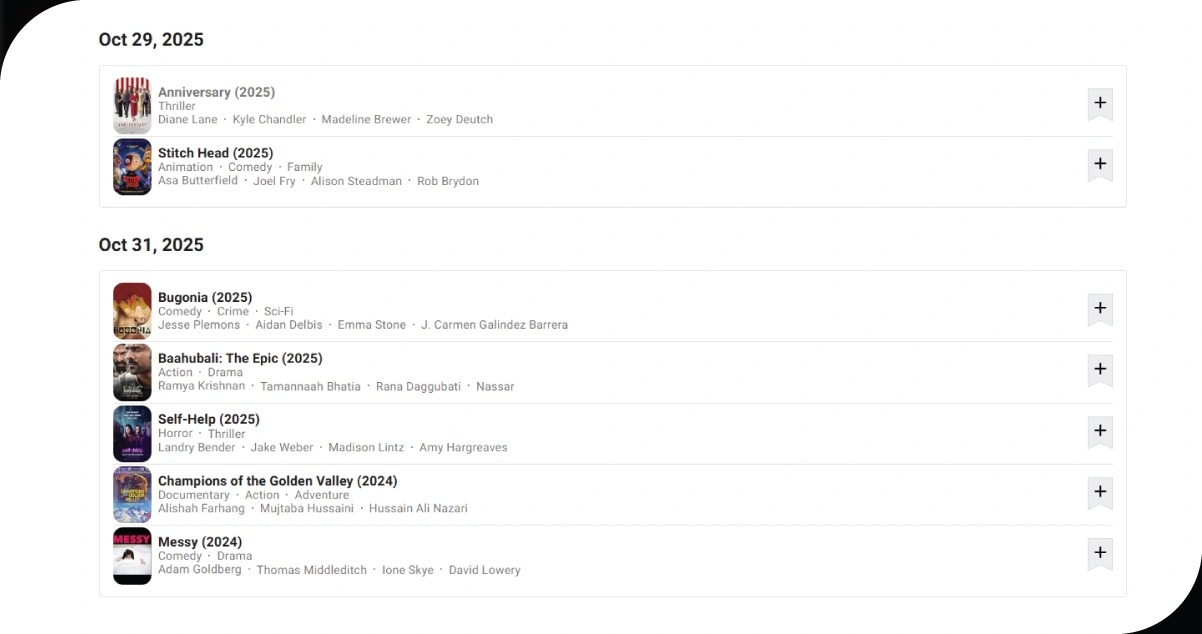
The influx of online reviews presents both an opportunity and a challenge for entertainment analytics. Gathering, processing, and interpreting user-generated content manually is time-consuming and often error-prone. By implementing Web Scraping IMDb Data, companies can automate the collection of thousands of reviews across multiple films, ensuring faster, more accurate analysis.
Automated review analysis improves understanding of sentiment, audience engagement, and overall reception. Machine learning models can then quantify qualitative feedback, providing a systematic method for predicting audience reactions. By identifying recurring patterns in user reviews, studios can adapt storylines, promotional campaigns, and distribution strategies.
| Criteria | Manual Review Tracking | Automated Review Processing |
|---|---|---|
| Time Required | 10 hours | 20 minutes |
| Error Rate | 15% | 4% |
| Sentiment Accuracy | 72% | 91% |
| Data Volume | 5K reviews | 1M+ reviews |
With these tools, analysts can also Scrape IMDb Data, helping to detect trending topics, frequently mentioned actors, or recurring content themes. This level of analysis enables teams to prioritize areas for creative improvement or targeted marketing.
Automating the review analysis process also ensures consistency and reproducibility, making it easier to track changes in audience perception over time. Such insights are invaluable for studios looking to forecast box-office performance, enhance viewer engagement, and maintain relevance in a competitive streaming environment.
By combining structured data with sentiment evaluation, entertainment companies gain the ability to make data-backed decisions that align with actual audience behavior, creating more impactful films and campaigns. This methodology bridges the gap between raw feedback and actionable intelligence, ensuring every review contributes to strategic planning.
Leveraging Real-Time Ratings for Improved Film Performance Monitoring
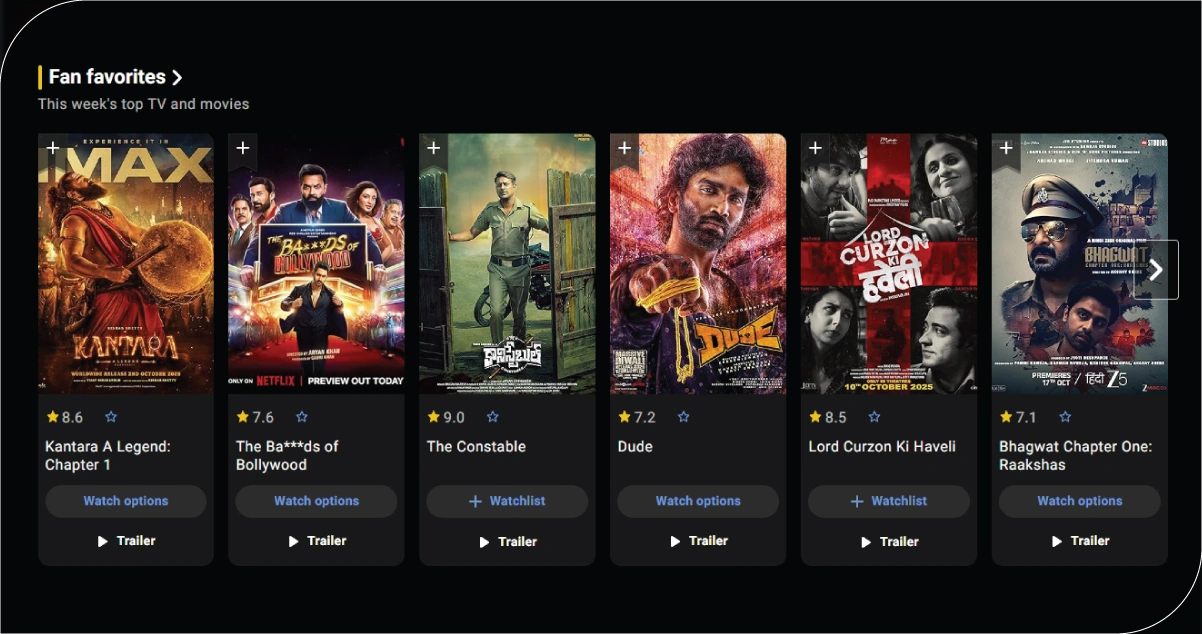
Timely access to movie ratings is essential for monitoring audience response and content effectiveness. By applying methods to Scrape IMDb Ratings and Reviews, companies can track fluctuations in viewer ratings immediately after release, helping identify which elements of a film resonate or require improvement.
Real-time data allows marketers and production teams to adjust promotional strategies, optimize distribution schedules, and identify potential trends early. This proactive approach enhances forecasting accuracy and mitigates risks associated with content reception.
| Factor | Pre-Automation | Post-Automation |
|---|---|---|
| Rating Accuracy | 68% | 87% |
| Update Frequency | Daily | Real-Time |
| Trend Prediction | Manual | Automated |
Professionals can also How to Extract IMDb Movie Reviews to evaluate historical performance, allowing comparisons across films, genres, and regions. Such analysis ensures data-driven decision-making and aligns marketing initiatives with current viewer sentiment.
This approach reduces guesswork, enabling precise targeting of campaigns and providing insight into audience expectations. Leveraging automated rating extraction ensures films are assessed accurately, supporting more effective planning for sequels, spin-offs, or new productions.
The combination of structured ratings and detailed review insights creates a robust analytical foundation that informs creative decisions, revenue projections, and marketing efficiency. Access to such real-time data gives production companies a competitive edge in responding to audience preferences quickly and effectively.
Streamlining Movie Review Aggregation and Interpretation Processes
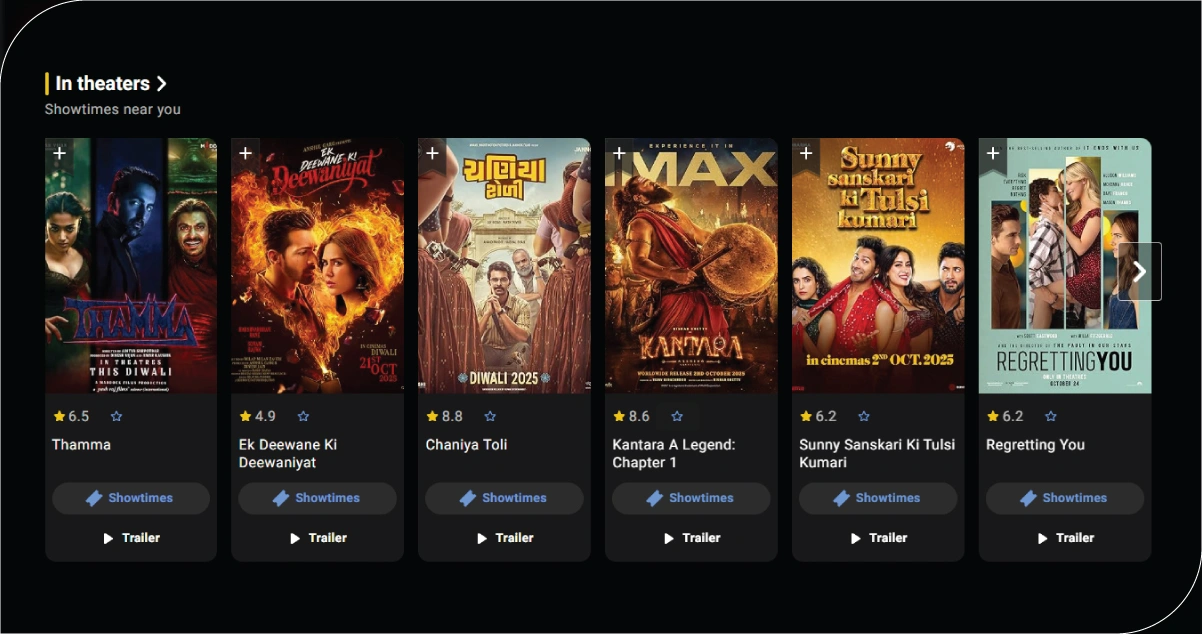
Compiling thousands of reviews from multiple platforms manually is inefficient and prone to error. Implementing automated systems to Scrape IMDb Data allows analysts to collect structured feedback efficiently and interpret it for actionable insights. By organizing reviews based on metrics such as sentiment, keywords, and engagement, teams can identify common audience themes and responses.
| Aspect | Manual Review Collection | Automated Review Management |
|---|---|---|
| Efficiency | Low | High |
| Organization | Scattered | Structured |
| Cost | High | Moderate |
| Analytical Depth | Limited | Extensive |
Using advanced methodology to Collect IMDb Reviews Using Python, companies can track content performance across different periods, genres, and demographics. This method provides a reliable foundation for comparison and evaluation. Analysts can detect patterns in audience reactions and assess which elements of a film are most impactful, enabling more precise marketing and content development strategies.
Automated aggregation also supports advanced analytics, including sentiment scoring and trend identification. Teams can quickly recognize emerging viewer preferences or potential areas for improvement. Data-driven interpretation reduces biases, offering a clear, factual representation of audience sentiment across multiple films.
Structured datasets generated through Python-based collection techniques serve as a foundation for ongoing research, helping organizations refine films and marketing initiatives while staying responsive to evolving viewer behavior.
Predicting Audience Trends Through Analytical Data Modeling
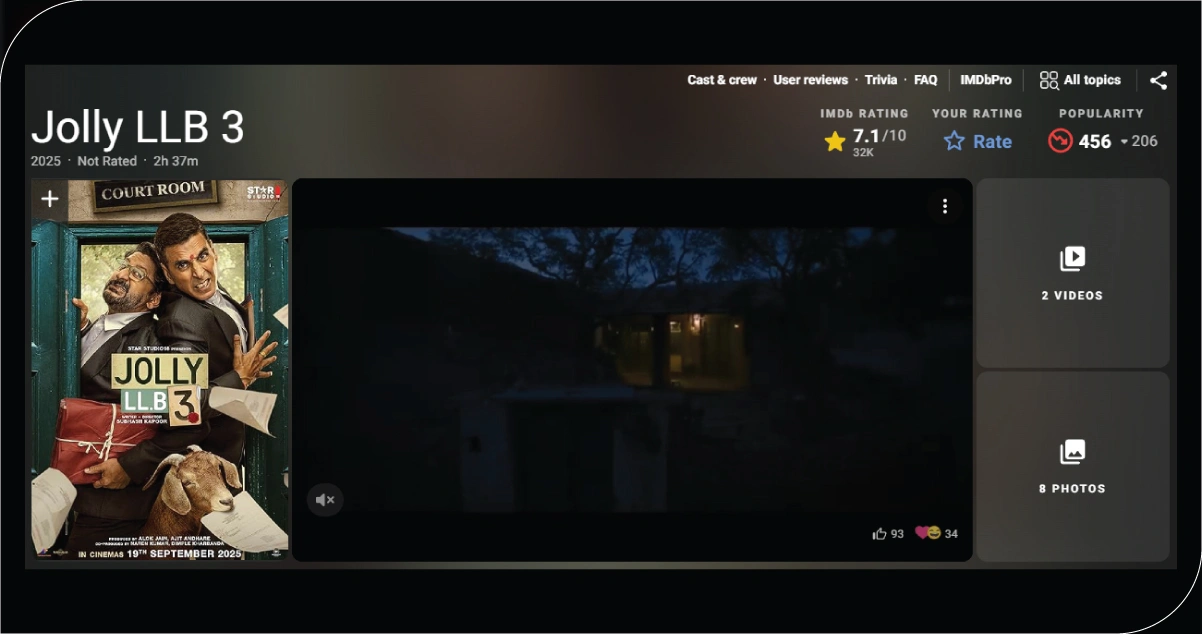
Anticipating audience reactions is a critical component of entertainment strategy. Utilizing techniques IMDb Data Extraction for Films allows analysts to model sentiment evolution, track engagement metrics, and detect early trends that influence performance and revenue.
| Category | Manual Trend Analysis | Automated Trend Prediction |
|---|---|---|
| Accuracy | 62% | 87% |
| Response Time | Slow | Immediate |
| Predictive Capability | Limited | Extensive |
By applying IMDb Review Scraping Techniques, studios and streaming platforms can monitor which content types resonate with viewers, how ratings evolve over time, and which marketing approaches yield the best results. Predictive models created from historical data offer insights for upcoming releases, including casting decisions, storyline optimization, and promotional targeting.
Automated trend detection ensures that audience insights are timely and actionable, allowing teams to respond rapidly to changes in engagement. Analytics dashboards fed by structured IMDb datasets simplify decision-making and help visualize patterns that guide creative choices.
Through real-time observation and data-driven analysis, organizations gain the confidence to plan content strategies based on audience preferences rather than intuition. This reduces risk and improves resource allocation for marketing and production efforts, increasing the likelihood of achieving box-office success and viewer satisfaction.
Visualizing Film Performance Insights for Strategic Decision-Making
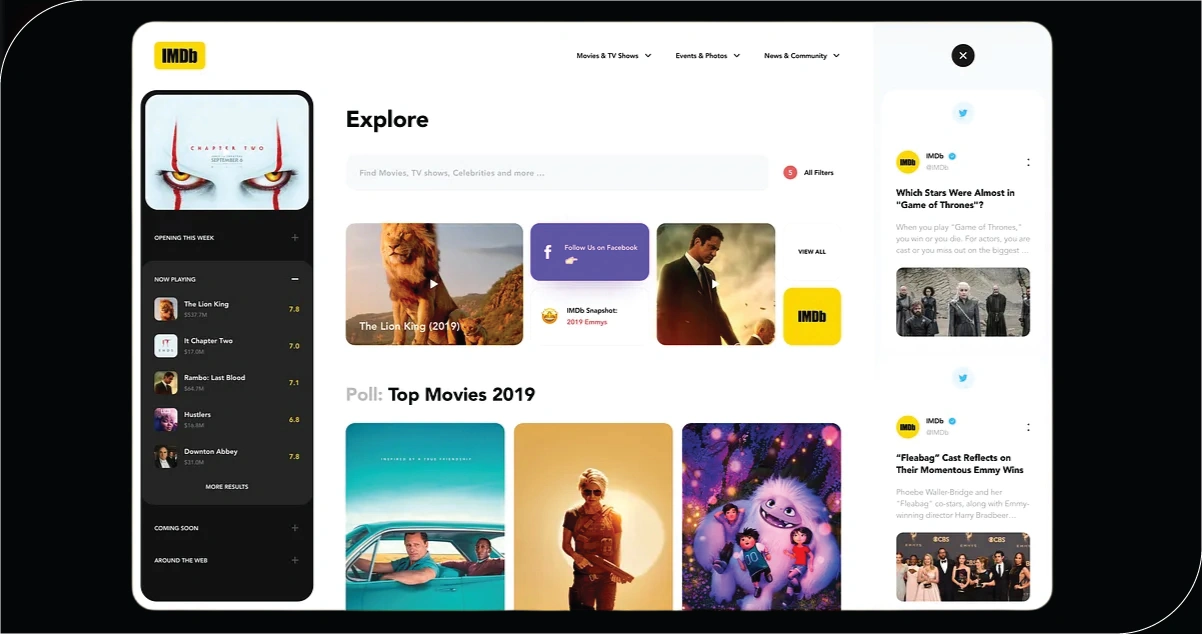
Effective visualization of collected data is crucial for translating insights into actionable strategies. Using methods to Scrape Movie Ratings From IMDb, analysts can transform ratings and review datasets into clear, interactive dashboards that reveal patterns across films, genres, and demographics.
| Visualization Metric | Traditional Charts | Interactive Dashboards |
|---|---|---|
| Insight Clarity | Moderate | High |
| Update Frequency | Manual | Automated |
| Engagement | 65% | 90% |
Professionals can also implement Extract IMDb Ratings for Analysis, allowing teams to track trends over time, compare performance across titles, and measure the impact of promotional campaigns. These visual tools simplify interpretation, helping decision-makers focus on actionable patterns rather than raw data.
Dashboards can integrate multiple datasets, combining reviews, ratings, and streaming metrics to offer a holistic view of content performance. Visual representation ensures that both technical and creative teams can understand audience feedback quickly, making it easier to adjust marketing strategies or creative direction in real-time.
Ultimately, data visualization supports smarter decision-making by translating complex datasets into user-friendly, meaningful insights. By connecting structured analytics with operational planning, studios and streaming services can improve content creation, audience engagement, and overall business outcomes.
How OTT Scrape Can Help You?
Analyzing vast entertainment datasets becomes easier through customized tools and automation systems that utilize Scraping IMDb Data to simplify performance evaluation and trend analysis. We offer tailored scraping services that capture audience engagement metrics, star ratings, and review patterns with high precision.
Here’s how we enhance entertainment analytics:
- Collects structured IMDb data for cross-platform comparisons.
- Delivers real-time updates for ongoing movie performance tracking.
- Integrates seamlessly into existing analytical tools and dashboards.
- Identifies emerging audience sentiments for better decision-making.
- Automates repetitive scraping tasks to save time and resources.
- Delivers formatted outputs for visualization and machine learning use.
By combining customized methodologies and scalability, we empower media analysts and OTT companies to transform how they assess film success and viewer satisfaction. This makes it a robust solution to Extract IMDb Ratings for Analysis and insights in a rapidly evolving entertainment environment.
Conclusion
Incorporating Scraping IMDb Data into entertainment analytics ensures accuracy, speed, and reliability in understanding viewer engagement. The automation of data retrieval and processing redefines how production houses evaluate their content strategies and audience outreach.
For beginners or professionals seeking efficient methods, an IMDb Scraping Script for Beginners provides a streamlined approach to collect structured, actionable insights that fuel creative success. Contact OTT Scrape today to transform your movie analytics into intelligent decision-making tools powered by precision-driven data collection.