
Introduction
In today’s hyper-competitive entertainment industry, content success is no longer driven only by trailers, celebrity casting, or marketing budgets. Instead, audience opinions are shaping real-time reputation, subscriber decisions, and long-term streaming performance. Viewers trust online ratings, reviews, and critic feedback more than promotional campaigns, making review intelligence a key part of content strategy.
When studios, OTT platforms, and entertainment analytics teams monitor public opinion, they uncover what audiences truly think about storylines, acting, direction, pacing, and genre expectations. By using IMDb Data Scraping Services, businesses can track rating shifts, trending user comments, and review patterns across movies and series.
Additionally, audience feedback is not static. It evolves daily, influenced by social media trends, regional preferences, and critical influence. With Scraping IMDb and Rotten Tomatoes Reviews, businesses can access deeper sentiment layers that explain why content performs well or fails.
Understanding Viewer Demand Through Genre-Wise Patterns
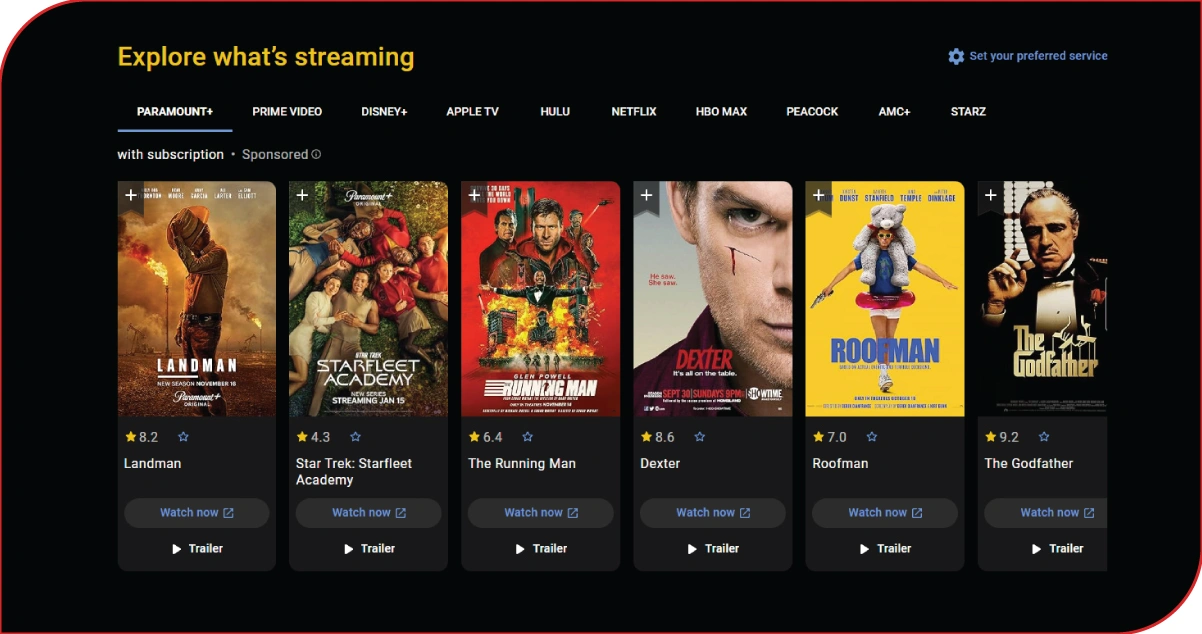
Action, thriller, romance, and documentary categories rise and fall depending on seasonal demand, regional interest, social media influence, and major theatrical or OTT releases. When businesses analyze review-driven genre patterns, they gain clarity on which storytelling formats are increasing engagement and which ones are becoming repetitive for audiences.
A major benefit of structured review monitoring is the ability to Scrape Popular Genres Data and compare how viewers react across categories. This helps studios and OTT platforms reduce content investment risks, especially when planning multi-season projects or high-budget productions. Many entertainment brands now rely on review-based genre evaluation to improve audience targeting and personalize recommendation systems.
Another advantage is that genre reviews reveal micro-trends such as “slow-burn thrillers,” “dark comedy,” or “true crime mini-series” gaining popularity faster than traditional formats. These insights help businesses refine script development, promotional messaging, and release timing decisions. Review analysis also supports competitor comparison, enabling brands to learn from competitor strengths and avoid repeating their weaknesses.
| Genre Category | Common Review Signals | Trend Impact | Strategic Business Benefit |
|---|---|---|---|
| Action | Pacing, stunts, excitement | Stable growth | Franchise planning and sequel demand |
| Horror | Plot logic, suspense quality | Mixed volatility | Script improvements and runtime refinement |
| Comedy | Dialogue and relatability | Rising | Stronger regional audience targeting |
| Drama | Emotional depth, realism | Stable | Better award-season marketing strategy |
| Sci-Fi | Concept originality | Rising | Innovation-driven production planning |
Tracking Rating Shifts to Reduce Performance Risk
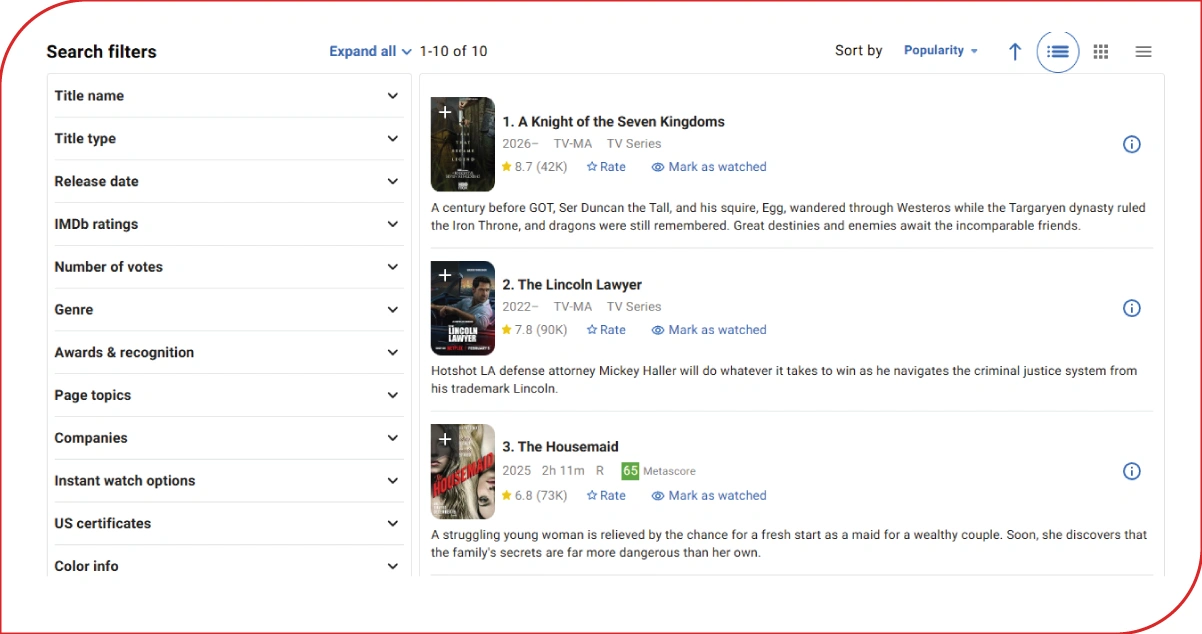
Entertainment performance is not only measured by launch hype, but by how ratings evolve after release. A film or series may start with strong excitement and high ratings, but if viewers begin criticizing pacing, storytelling, or character development, public ratings can drop quickly.
Monitoring rating volatility helps studios and platforms identify early performance risks. Reports from digital content analytics indicate that titles experiencing sharp rating declines within the first week can lose up to 30% of projected watch-time. Using an IMDb Movie Ratings and Reviews Dataset, businesses can monitor how audiences respond over time and identify whether feedback is improving or worsening.
Rating analysis also highlights gaps between critic reception and audience satisfaction. In some cases, critics rate content highly, but viewers express disappointment, creating long-term reputation damage. Tracking these patterns supports smarter promotional planning and content lifecycle management.
| Time Period | IMDb Rating Pattern | Audience Score Trend | Common Viewer Reaction |
|---|---|---|---|
| Week 1 | 8.2 → 7.9 | Strong start | High excitement, strong visuals |
| Week 2 | 7.9 → 7.4 | Moderate decline | Storyline confusion increases |
| Week 3 | 7.4 → 6.9 | Consistent drop | Weak climax complaints |
| Week 4 | 6.9 → 6.7 | Low stability | Reduced recommendation interest |
By monitoring these shifts, OTT teams can adjust promotional focus, improve regional positioning, and make better renewal decisions based on real audience response.
Converting Audience Opinions into Strategic Market Intelligence
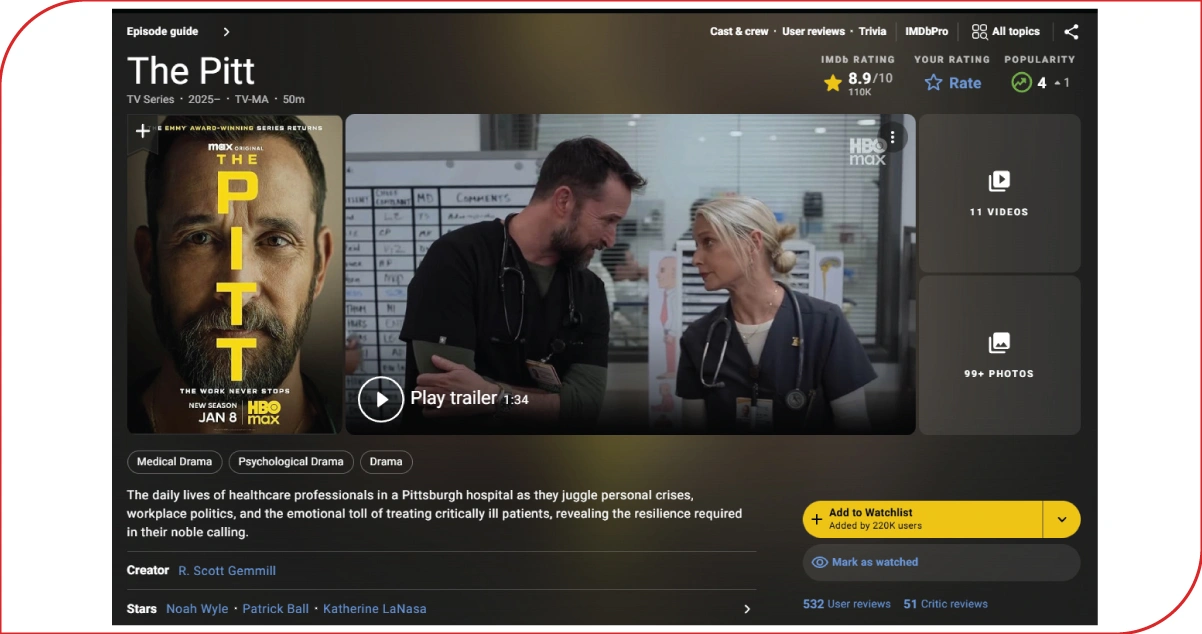
Modern entertainment businesses no longer rely only on average ratings. The real competitive advantage comes from understanding why audiences react positively or negatively. A score like 7.8 does not explain whether viewers loved the acting, disliked the ending, or found the pacing slow.
By applying Real-Time Review Sentiment Analysis, studios and OTT platforms can categorize viewer feedback into meaningful themes such as excitement, disappointment, controversy, satisfaction, or boredom. Research-based media trend reports suggest that sentiment-driven decision-making improves content strategy accuracy by up to 35%, especially during high-volume release periods.
For media firms building analytics workflows, an OTT Review Analytics Platform allows review insights to be integrated into dashboards, competitor tracking systems, and forecasting models. This makes it easier to benchmark content performance and identify patterns that influence long-term engagement.
| Sentiment Category | Review Language Pattern | Business Meaning | Strategic Decision Value |
|---|---|---|---|
| Highly Positive | “Masterpiece”, “must watch” | Strong content impact | Increase promotions and sequel planning |
| Mixed | “good but slow” | Engagement risk | Improve editing and pacing in future |
| Negative | “waste of time” | Weak audience connection | Reduce promotion and analyze failure |
| Controversial | “biased”, “offensive” | Reputation threat | PR planning and messaging adjustment |
For companies that want structured insights for long-term planning, many teams also choose to Buy Movie Review Datasets to support predictive modeling and performance forecasting across competitive entertainment markets.
How OTT Scrape Can Help You?
Our solutions support studios, OTT platforms, distributors, and entertainment research firms by offering scalable review collection and analytics capabilities. With Scraping IMDb and Rotten Tomatoes Reviews, businesses can measure rating changes, review volume spikes, and sentiment variations in a structured way.
What We Deliver:
- Automated review extraction from multiple entertainment platforms.
- Clean, structured datasets for analysis and forecasting.
- Rating trend monitoring for titles and competitors.
- Language-based review filtering for regional analysis.
- Historical tracking for long-term performance studies.
- Custom data formats for dashboards and AI modeling.
To support deeper media intelligence projects, we also provide Entertainment Data Extraction Services that help businesses integrate review datasets directly into reporting systems, predictive models, and market research tools.
Conclusion
Entertainment success depends on knowing what audiences truly think, not what promotional campaigns suggest. When brands apply Scraping IMDb and Rotten Tomatoes Reviews into their research process, they gain direct visibility into audience satisfaction, genre expectations, and rating volatility patterns.
As review data becomes a core part of media forecasting, many companies are now choosing to Buy Movie Review Datasets to strengthen their analytics workflows and improve long-term planning accuracy. Connect with OTT Scrape today and request a custom dataset solution built for your entertainment goals.