
Introduction
OTT platforms generate extensive information across movies, TV shows, ratings, subscriptions, genres, languages, and audience engagement. For analysts, continuously updated information is essential for understanding fast-changing streaming markets. Scrape ZEE5 Data can support structured research by converting publicly available platform information into organized datasets for analysis.
Instead of depending on occasional manual research, automated collection can provide refreshed information at defined intervals, helping analysts identify emerging patterns and changing viewer preferences more efficiently. Real-Time ZEE5 Data Scraping for OTT Intelligence Platforms enables businesses to monitor catalog changes, subscription movements, content popularity, and competitive positioning.
Streaming intelligence also benefits from combining multiple data points into one analytical framework. Pricing, ratings, reviews, availability, metadata, and content categories can reveal meaningful relationships between programming and audience interest. These insights help OTT researchers evaluate market movements, compare content strategies, and support data-driven decisions across rapidly changing entertainment ecosystems.
Building Stronger OTT Intelligence Through Continuous Monitoring
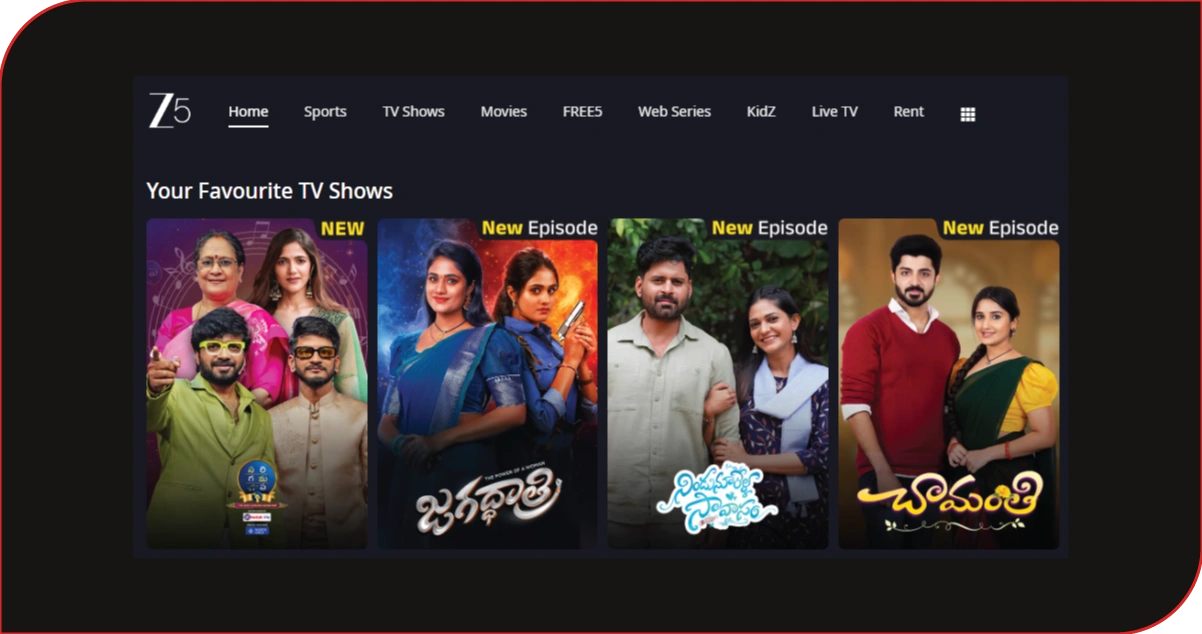
Continuous catalog monitoring helps analysts identify changes that may otherwise remain unnoticed between research cycles. New titles, removed programs, updated ratings, and changing availability can provide useful signals about platform activity. Automated workflows can collect these elements at scheduled intervals, creating consistent historical records for comparison and reporting.
A structured approach to Real-Time ZEE5 Data Scraping Services OTT Platform Analytics can support recurring collection across large volumes of information. Instead of repeatedly gathering individual records, organizations can process standardized fields through an automated workflow. This approach can also reduce repetitive research work and improve consistency across datasets.
Pricing information provides another important analytical dimension. ZEE5 Pricing and Subscription Data Scraping can help researchers examine plan structures, pricing changes, and subscription-related information alongside catalog developments. Comparing these factors over time can reveal how commercial positioning changes while the content library evolves.
| Monitoring Area | Business Application |
|---|---|
| Catalog changes | Content tracking |
| Ratings | Popularity analysis |
| Reviews | Sentiment research |
| Pricing | Commercial comparison |
| Availability | Market monitoring |
- Automate recurring collection schedules.
- Standardize information for historical comparisons.
- Support dashboards and analytical reporting.
- Reduce repetitive manual monitoring tasks.
Organizing Movie Intelligence For Deeper Content Analysis
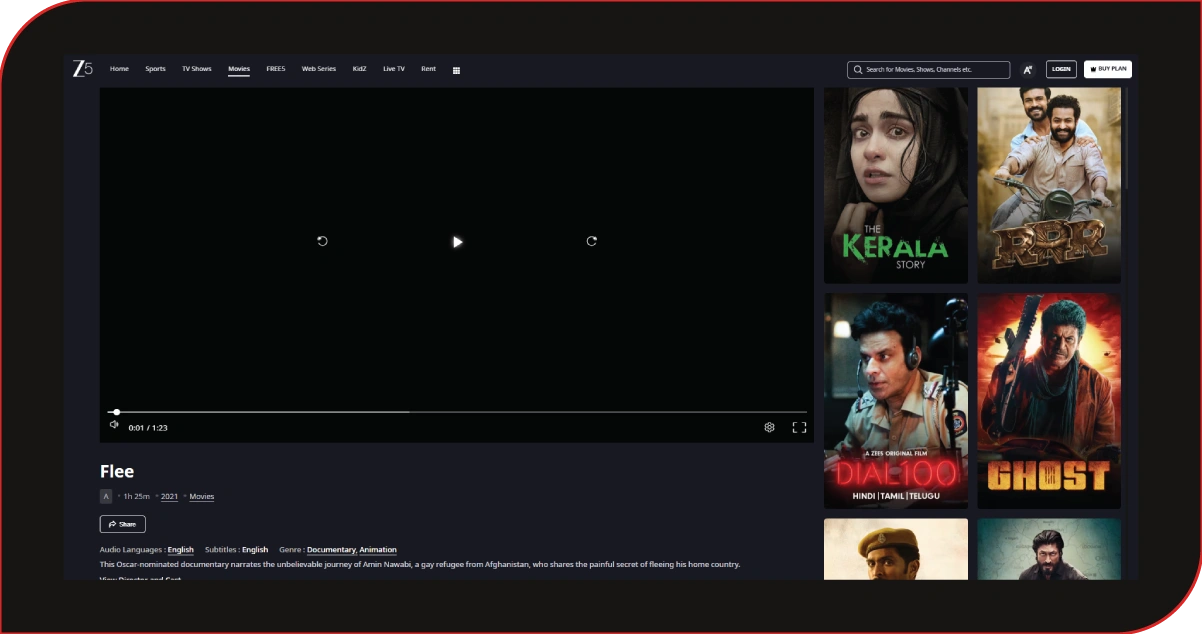
Movie-level information can provide valuable insight into catalog composition, programming priorities, and audience preferences. Researchers can examine titles according to genre, language, release year, ratings, and availability. Structuring these attributes into consistent records makes it easier to compare content characteristics across different periods and analytical projects.
A standardized ZEE5 Movie Dataset can support research involving thousands of individual records and multiple descriptive attributes. Researchers can use these structured records to examine catalog depth, regional programming, genre distribution, and release patterns. Consistent formatting also makes datasets easier to integrate with spreadsheets, dashboards, databases, and analytical systems.
Automated Web Scraping ZEE5 Movie and TV Show Data can further support recurring collection of changing catalog information. When these records are refreshed regularly, analysts can compare historical snapshots and identify additions, removals, or metadata changes. This approach helps transform scattered platform information into usable research material for content intelligence.
| Data Attribute | Analytical Purpose |
|---|---|
| Movie title | Content identification |
| Genre | Category analysis |
| Language | Regional research |
| Release year | Lifecycle analysis |
| Rating | Audience measurement |
- Categorize titles using standardized fields.
- Compare programming across different periods.
- Analyze regional and genre distributions.
- Maintain historical content records.
Identifying Catalog Movements And Emerging Streaming Trends
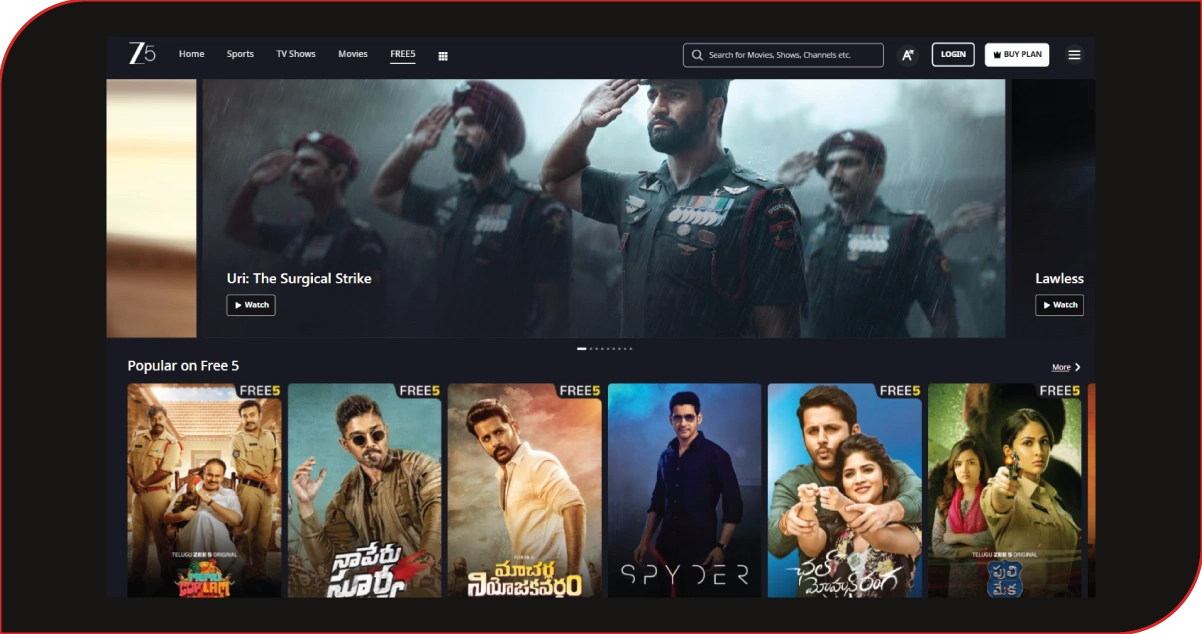
Catalog movements can reveal changes in programming priorities and audience-oriented strategies. Tracking newly added titles, removed programs, genre distribution, and language diversity allows analysts to evaluate how a streaming library evolves. Historical snapshots can make these changes easier to measure and compare over time.
Researchers can use ZEE5 Movie Listings for OTT Data Insights & Trends to examine catalog composition and identify recurring patterns. Comparing listings across periods can show shifts in genres, regional content, release activity, and title availability. These observations can contribute to market reports and broader streaming intelligence initiatives.
Competitive research becomes more comprehensive when similar information from other streaming services is evaluated alongside the platform. ZEE5 Competitor Data Scraping for OTT Analytics can support comparative studies involving catalog size, content categories, pricing approaches, and other measurable indicators. Such comparisons can help businesses evaluate positioning within a competitive OTT environment.
| Trend Indicator | Potential Insight |
|---|---|
| New titles | Programming activity |
| Genre mix | Content positioning |
| Language mix | Regional focus |
| Availability changes | Catalog movement |
| Release patterns | Programming trends |
- Track catalog additions and removals.
- Compare content categories over time.
- Evaluate regional programming patterns.
- Support competitive market research.
How OTT Scrape Can Help You?
OTT intelligence requires reliable information that can be refreshed, standardized, and analyzed at scale. Real-Time ZEE5 Data Scraping for OTT Intelligence Platforms can help businesses organize information from streaming catalogs into structured datasets suitable for research, dashboards, and analytical workflows. Automated collection also reduces repetitive manual monitoring and supports consistent historical tracking.
Key ways OTT scraping can support your analytics workflow include:
- Monitor changing movie and TV show catalogs across defined intervals.
- Track pricing movements and subscription plan changes systematically.
- Organize ratings and audience feedback for comparative analysis.
- Identify genre, language, release, and availability patterns.
- Create historical datasets for trend and performance analysis.
- Support competitor benchmarking with standardized streaming information.
For deeper research, ZEE5 Competitor Data Scraping for OTT Analytics can help compare catalog positioning, pricing approaches, content categories, and other measurable market indicators. Structured information can then feed reporting systems, business intelligence dashboards, forecasting models, and research workflows, giving teams a consistent foundation for evaluating OTT market developments.
Conclusion
OTT markets change rapidly, making timely and structured information increasingly important for researchers, analysts, and streaming businesses. Real-Time ZEE5 Data Scraping for OTT Intelligence Platforms can support continuous monitoring of content, pricing, ratings, availability, and market movements. When collected systematically, these datasets can strengthen benchmarking, trend analysis, and strategic OTT research.
A well-organized data workflow can turn scattered streaming information into measurable intelligence for business decisions. ZEE5 Content Dataset for Analytics can provide a structured foundation for examining catalog characteristics, audience signals, and changing content patterns. Connect with OTT Scrape today to build a customized ZEE5 data solution for your streaming analytics and intelligence requirements.