
Introduction
Hong Kong's streaming market includes diverse entertainment preferences, regional programming, international dramas, and audience-specific viewing habits. OTT providers must understand how their content libraries compare with competing services to identify missing genres, underserved audiences, and emerging entertainment trends. Reliable catalog intelligence supports informed programming decisions and more effective content distribution strategies.
Real-Time ViuTV Content Gap Analysis Using Web Scraping helps streaming businesses examine publicly available information about titles, genres, release dates, and content availability. By organizing these details into structured datasets, analysts can compare programming portfolios and recognize differences across platforms. This approach also supports Scrape ViuTV Data workflows for collecting relevant catalog information and monitoring visible changes over time.
Consistent analysis helps content teams evaluate whether their libraries align with audience interests and regional entertainment preferences. Rather than relying exclusively on occasional manual reviews, businesses can monitor catalog developments, identify potential programming opportunities, and prioritize acquisitions using measurable evidence. These insights strengthen cross-platform planning and support more responsive content strategies.
Evaluating Programming Differences Across Competing Streaming Catalogs
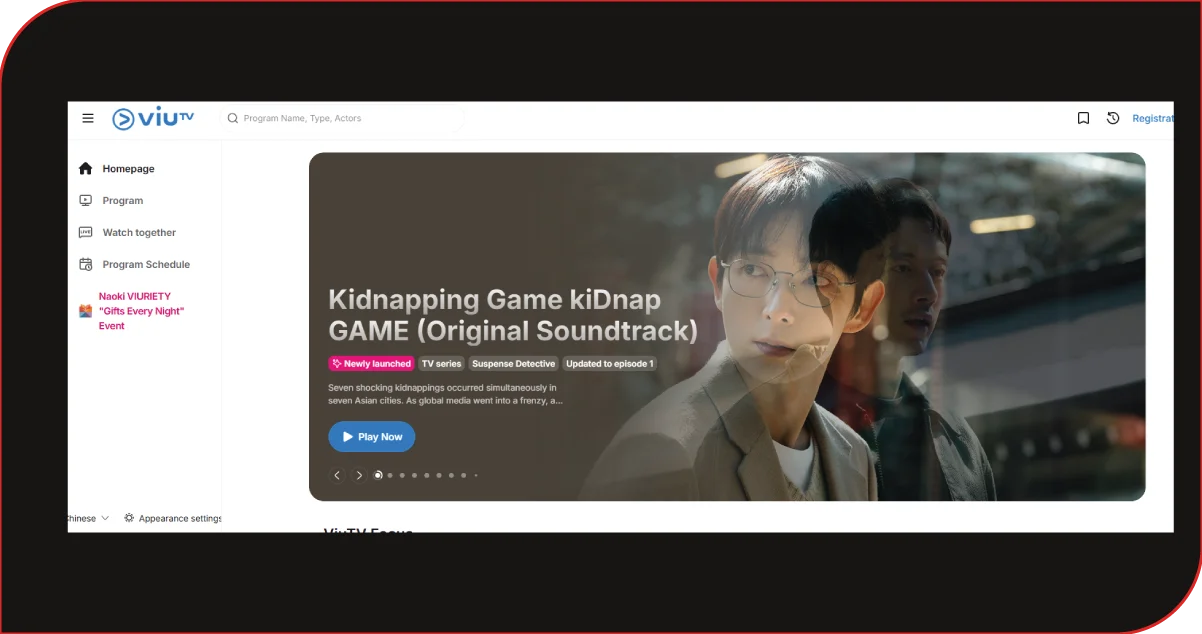
Streaming platforms need a structured approach to compare their content libraries with competing services. Analysts can examine genres, language preferences, episode counts, series availability, and release dates to understand how programming portfolios differ. These comparisons help identify categories with limited representation and highlight opportunities to expand content offerings. Consistent catalog monitoring also allows businesses to assess whether programming investments align with regional audience preferences and broader entertainment trends.
Organized metadata makes these comparisons easier to repeat across reporting periods. Teams can Scrape Popular Shows Data from publicly accessible listings to create structured records containing titles, genres, language details, and other available attributes. Comparing these records helps analysts distinguish between a large catalog and a well-balanced catalog. A platform may offer hundreds of titles but still lack sufficient programming in specific languages or genres that matter to its target audience.
However, the analysis should account for availability restrictions, subscription tiers, and regional licensing agreements. Content Gap Analysis Using Cross-Platform OTT Data in Hong Kong helps businesses evaluate programming differences within the regional streaming market. For instance, analysts may find that one service has extensive international dramas while another provides a stronger selection of Cantonese-language entertainment. Such differences can guide licensing research, regional content development, and catalog expansion decisions.
Teams can use several practical indicators to make comparisons more consistent:
- Measure the number of titles available within each genre.
- Compare language coverage across selected streaming services.
- Track catalog additions and removals over reporting periods.
- Identify categories with limited programming representation.
- Review licensing availability before recommending catalog expansion.
The following illustrative dataset demonstrates how catalog measurements can support programming decisions. These figures are hypothetical and do not represent verified ViuTV statistics.
| Catalog metric | Illustrative baseline | Planning implication |
|---|---|---|
| Drama titles | 320 | Evaluate genre coverage |
| Cantonese-language titles | 85 | Assess local programming depth |
| Documentary titles | 45 | Identify expansion opportunities |
| Recently added titles | 28 | Monitor catalog refresh activity |
Measuring Audience Interest Against Available Content Selection
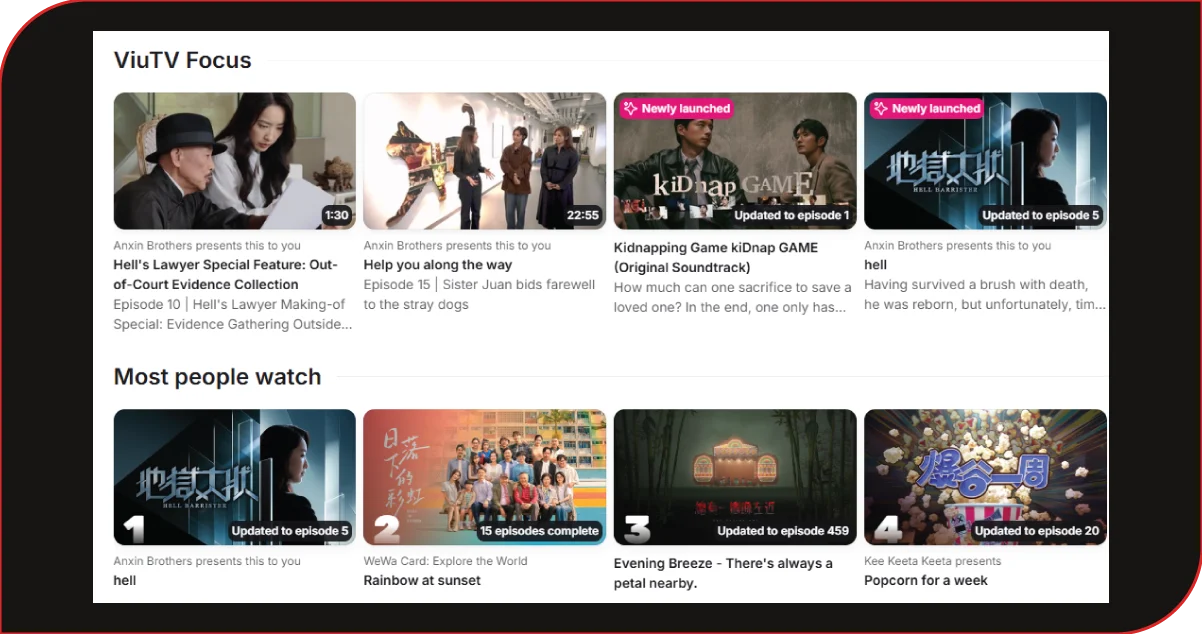
Understanding catalog size alone does not explain whether a streaming platform meets audience expectations. Content teams must also evaluate demand indicators, including publicly available rankings, search trends, promotional listings, and engagement information where accessible. Combining these indicators with catalog records helps analysts identify genres that attract attention but receive limited representation. This comparison can support more informed programming decisions and help teams prioritize areas that warrant further investigation.
Structured information makes demand comparisons more practical across different services. Analysts can Scrape TV Shows Data from supported public listings and organize available information by title, genre, language, and release period. When these records are compared with relevant demand signals, teams can assess whether popular categories have sufficient content coverage. Because rankings and search activity may fluctuate, observations should be reviewed across multiple periods rather than interpreted as definitive evidence of viewing behavior.
Analysts should also consider regional preferences, audience demographics where lawfully available, subscription differences, and the limitations of publicly visible metrics. How to Identify Content Gaps Across Streaming Platforms involves comparing audience-interest indicators with the availability, relevance, and variety of existing titles. For example, a service may have limited documentary programming while public search trends indicate sustained interest in specific documentary subjects.
A consistent evaluation process can include these activities:
- Compare search trends with available genre coverage.
- Monitor public rankings for recurring changes in interest.
- Examine the variety of titles within popular categories.
- Identify underserved language and regional programming segments.
- Validate findings before making investment recommendations.
The sample table below shows how teams might organize demand indicators. All figures are illustrative rather than verified platform data.
| Analytical indicator | Illustrative observation | Potential action |
|---|---|---|
| Drama search interest | 78/100 | Review acquisition options |
| Comedy catalog coverage | 32 titles | Compare competitor selections |
| Documentary interest | 65/100 | Assess programming opportunities |
| New-series search growth | 18% | Monitor emerging preferences |
Strengthening Release Scheduling and Competitive Programming Decisions
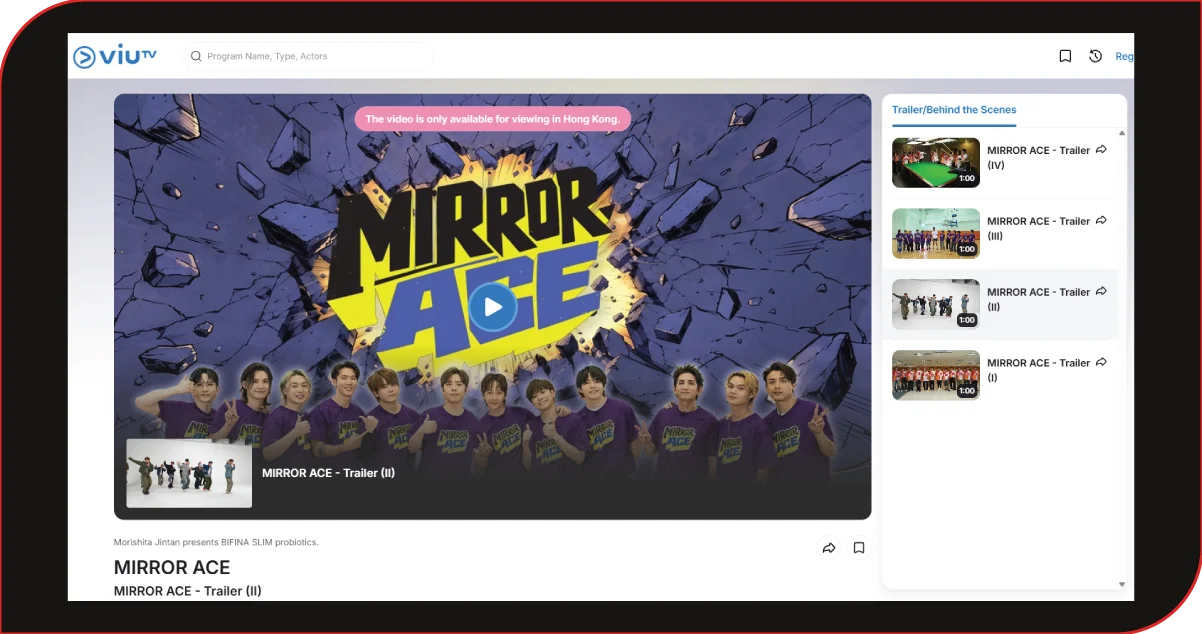
Release planning influences how streaming platforms attract viewers, maintain engagement, and differentiate their programming. Teams can monitor publicly announced premiere dates, season availability, upcoming titles, and catalog updates to understand how competing services refresh their libraries. Reviewing these developments alongside existing content helps businesses identify potential scheduling conflicts, underserved genres, and opportunities to introduce complementary programming. Reliable release information also supports internal planning and more consistent competitive reporting.
Maintaining chronological records allows analysts to examine changes over time rather than relying on isolated announcements. Teams can Scrape Latest Releases Data from accessible listings to organize title names, release dates, genres, and other published details. These records can help content planners compare release frequency across categories and identify periods when competing services introduce similar programming.
Release announcements alone cannot establish audience demand, so analysts should combine them with other relevant indicators before making significant programming decisions. OTT Content Demand Analytics Using Cross-Platform OTT Data can connect release patterns with audience-interest indicators and existing catalog coverage. For example, recurring interest in a particular genre alongside a limited number of upcoming titles may justify additional licensing research or a review of production priorities.
Content teams can strengthen release planning through several practical activities:
- Monitor publicly announced release dates and catalog updates.
- Compare upcoming titles across selected streaming services.
- Identify periods with limited programming in important genres.
- Review recurring release patterns across reporting periods.
- Coordinate content recommendations with licensing and scheduling teams.
The following hypothetical measurements illustrate how release monitoring could inform planning. They are not actual ViuTV performance statistics.
| Release planning indicator | Illustrative value | Strategic application |
|---|---|---|
| Releases monitored monthly | 120 | Track programming activity |
| Titles with confirmed dates | 75 | Coordinate release calendars |
| Genre overlap with competitors | 42% | Assess differentiation opportunities |
| Potential catalog gaps identified | 15 | Prioritize further evaluation |
How OTT Scrape Can Help You?
Effective streaming decisions require reliable catalog information, consistent comparisons, and structured reporting. We support Real-Time ViuTV Content Gap Analysis Using Web Scraping by helping businesses organize publicly accessible entertainment metadata into datasets suitable for catalog research and competitive analysis.
Key capabilities can support practical content planning:
- Collect publicly available catalog metadata from supported streaming sources.
- Organize titles by genre, language, release date, and availability.
- Compare programming portfolios across selected OTT platforms.
- Track visible catalog updates for periodic competitive reviews.
- Structure collected records for dashboards, spreadsheets, and reporting systems.
- Support recurring analysis with scheduled data delivery options.
Structured datasets help analysts reduce repetitive manual work and focus on interpreting meaningful programming differences. Collection frequency, available fields, and platform coverage depend on source limitations and implementation requirements.
By combining catalog information with audience-interest indicators, teams can strengthen ViuTV Catalog Analysis Using Competitive OTT Intelligence and make more informed decisions about licensing, regional programming, and release scheduling. We can tailor data collection workflows to defined research objectives while respecting applicable privacy requirements, access restrictions, and platform terms.
Conclusion
When combined with audience-interest indicators and release monitoring, these insights support better programming decisions and more structured content investment planning. Real-Time ViuTV Content Gap Analysis Using Web Scraping helps OTT businesses evaluate catalog coverage, compare programming availability, and identify potential opportunities across streaming platforms.
Build a stronger streaming content strategy with organized catalog intelligence and consistent competitive monitoring. Contact OTT Scrape to discuss your data requirements and develop a collection workflow aligned with your content planning goals.