
Introduction
Streaming platforms continuously change their catalogs, genres, availability, and audience offerings. Businesses need structured information to understand these changes and identify meaningful patterns. Pluto TV Content Data Extraction for Business Intelligence organizes titles, genres, ratings, release information, and availability into usable datasets for systematic streaming analysis.
With Scrape Pluto TV Data, companies can collect relevant catalog information across movies, television programs, categories, and other content attributes. This structured approach supports market researchers, content analysts, media companies, and technology teams that require consistent information for comparing catalog composition and monitoring changes over time.
The resulting datasets can support trend identification, competitor research, content planning, and performance analysis. When information is organized into standardized fields, businesses can examine catalog movements more efficiently instead of manually reviewing large volumes of streaming content. This makes streaming data more practical for dashboards, reports, and analytical workflows.
Emerging Catalog Patterns Reveal Shifting Streaming Strategies
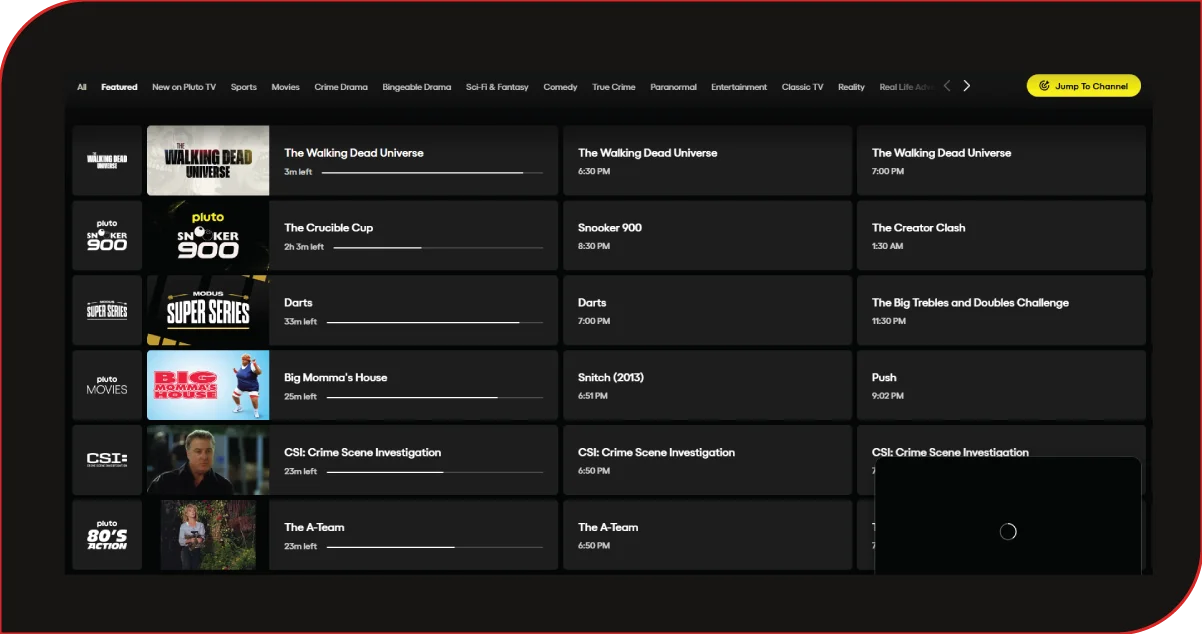
Streaming catalogs provide valuable signals about changing content strategies, particularly when titles are collected consistently across different periods. Scrape Latest Releases Data can help analysts monitor newly added titles, genres, release periods, and catalog movements. This information creates a clearer foundation for understanding how programming selections evolve over time.
Businesses can organize collected records by genre, title type, release year, language, and availability status. By using Scrape Pluto TV Content Catalog Data for OTT Analytics within a structured workflow, analysts can examine these attributes across larger datasets. Comparing historical records can reveal changes in category distribution and programming composition.
For example, a dataset containing thousands of titles can be divided into meaningful groups based on format, genre, and release period. Analysts can then identify which categories represent larger portions of the catalog and observe whether their proportions change. This approach makes recurring research more measurable and easier to report.
Key areas that can be monitored include:
- New title additions
- Genre distribution
- Movie and series proportions
- Release-year patterns
| Data Attribute | Analytical Use |
|---|---|
| Genre | Category distribution |
| Release Year | Content-age analysis |
| Title Type | Movie and series comparison |
| Availability | Catalog monitoring |
Historical snapshots can also support long-term comparisons rather than relying on isolated observations. This allows researchers to examine programming movements, identify recurring catalog patterns, and prepare structured reports for content planning, market analysis, and streaming intelligence initiatives.
Structured Monitoring Highlights Competitive Streaming Content Signals
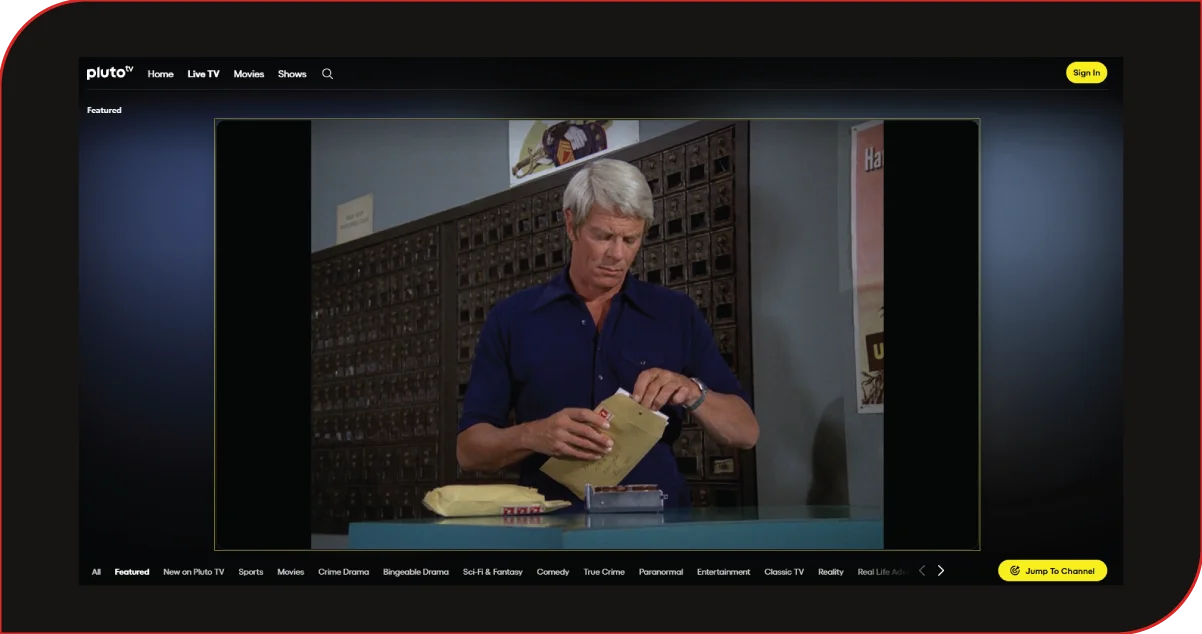
Streaming competition can be examined through catalog breadth, programming categories, release patterns, and title attributes. Pluto TV Data Scraping for Content Intelligence helps transform scattered catalog information into structured records that analysts can organize and compare across defined periods. This supports more consistent examination of changing programming strategies.
A structured dataset can make it easier to identify frequently represented genres, changing content proportions, and newly introduced programming. Pluto TV Data Scraping can support recurring collection workflows, allowing businesses to create updated records rather than depending on occasional manual research. These records can then be grouped according to specific analytical requirements.
For example, a catalog containing thousands of records can be classified by genre, format, release period, and availability. Analysts can calculate the share represented by different categories and compare those measurements across historical datasets. Such comparisons can provide useful context for understanding catalog expansion, contraction, and content diversification.
Important monitoring areas include:
- Catalog size changes
- Genre representation
- New programming activity
- Format distribution
| Metric | Business Application |
|---|---|
| Catalog Size | Platform comparison |
| Genre Share | Programming analysis |
| New Titles | Release monitoring |
| Format Mix | Movie-series comparison |
Historical datasets can strengthen competitive research by showing how catalog characteristics change over time. Businesses can use these records for benchmarking, internal reporting, content research, and strategic analysis while maintaining consistent data structures across recurring collection cycles and analytical projects.
Audience-Centered Catalog Analysis Identifies Content Opportunities
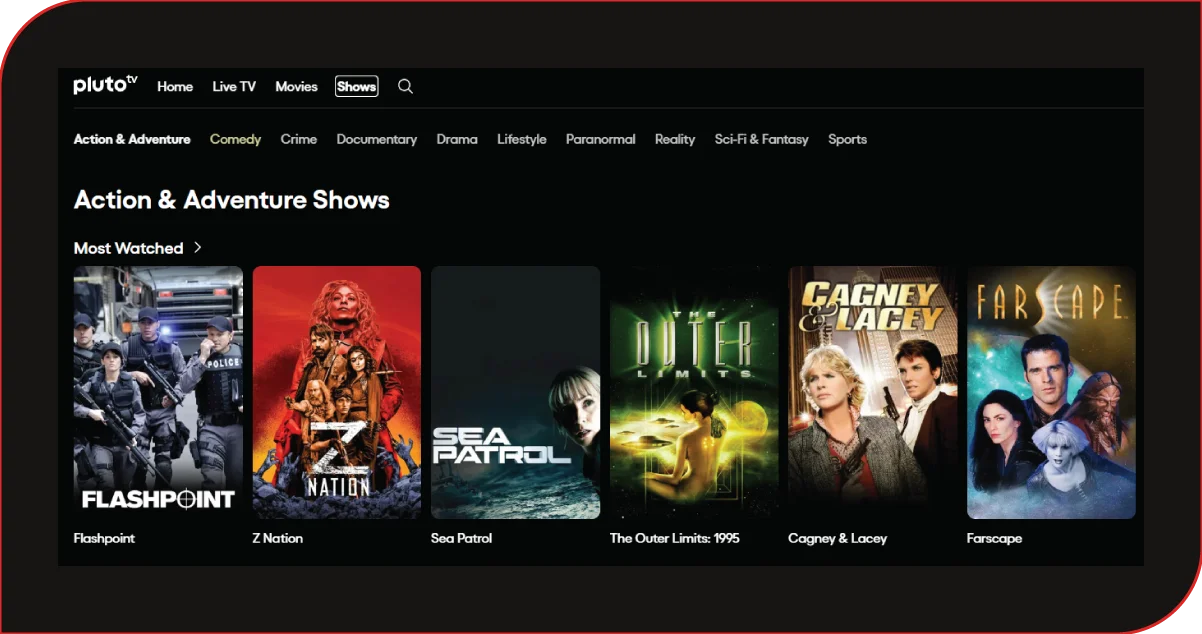
Audience-focused streaming analysis requires more than collecting basic title names. Extract Pluto TV Movie and TV Show Data allows analysts to organize movies and television programs according to available attributes such as genres, ratings, release years, and formats. This creates a more detailed foundation for studying catalog composition and programming patterns.
Businesses can segment records into different content groups and examine how individual categories are represented. Pluto TV Dataset for Streaming Analytics can support this process by providing structured information for segmentation, trend analysis, reporting, and historical comparisons. Analysts can use these datasets to examine relationships between content characteristics and broader programming movements.
Television-focused analysis can also separate episodic programming from movie content and other catalog categories. Scrape TV Shows Data can assist with creating dedicated records for television programming, making it easier to analyze series-related information independently. This segmentation can simplify reporting when teams need more focused content analysis.
Potential analytical areas include:
- Genre-level content distribution
- Movie-to-series comparison
- Release-period analysis
- Rating-based segmentation
| Analysis Area | Possible Insight |
|---|---|
| Genre Trends | Content category patterns |
| Ratings | Audience preference signals |
| Release Period | Catalog freshness |
| Content Format | Movie versus series mix |
Organized catalog records can contribute to content planning, audience research, recommendation analysis, and competitive studies. Repeated collection also creates historical references that help businesses observe programming changes over time and identify content areas that may require deeper research or additional analytical attention.
How OTT Scrape Can Help You?
Streaming businesses often manage large volumes of catalog information that can be difficult to organize through manual research. Pluto TV Content Data Extraction for Business Intelligence can structure information into consistent datasets that support market research, catalog monitoring, and analytical reporting. We can help transform collected information into practical resources for recurring streaming intelligence workflows.
Key capabilities include:
- Automated catalog data collection
- Structured data organization
- Historical catalog monitoring
- Genre and content classification
- Custom dataset preparation
- Integration-ready output formats
With organized records, teams can compare content attributes, monitor catalog changes, and prepare datasets for dashboards or analytical models. Pluto TV Streaming Data for Analytics can support broader evaluation of programming patterns, catalog composition, release activity, content distribution, and catalog movements. This structured approach reduces repetitive manual research while giving analysts consistent information for recurring streaming intelligence projects.
Conclusion
Streaming catalogs can provide valuable signals about programming direction, content composition, and changing market patterns when information is collected consistently. Pluto TV Content Data Extraction for Business Intelligence helps organize catalog attributes into structured datasets that can support research, reporting, benchmarking, and long-term streaming analysis.
For teams requiring broader market visibility, Pluto TV Data Scraping for OTT Market Research can contribute useful records for examining catalog changes, genres, releases, and content distribution. With properly structured data, businesses can build repeatable analytical workflows and transform streaming information into measurable insights. Contact OTT Scrape today to discuss your streaming data extraction requirements and build a customized dataset for your business.