
Introduction
The OTT entertainment ecosystem has transformed how audiences consume content, with Netflix standing at the center of global streaming behavior. Every day, millions of viewers interact with shows, movies, trailers, ratings, and reviews, generating massive volumes of unstructured data. Understanding this information is no longer limited to internal platforms alone—businesses, content strategists, media analysts, and marketers increasingly rely on Netflix Data Scraping to interpret shifting consumption patterns.
Streaming success today depends on identifying why certain shows dominate trending lists while others fade quickly. Viewer behavior, episode completion rates, review sentiment, and regional popularity together explain nearly 70% of trending outcomes across OTT platforms. By systematically collecting and structuring Netflix data, analysts can convert raw listings, user feedback, and rankings into actionable intelligence.
This blog explores how structured data collection enables detailed show performance analysis, audience behavior modeling, and sentiment-driven decisions. Through real-world problem-solving sections, we highlight how data-backed strategies help streaming stakeholders predict trends, understand viewer psychology, and optimize content investments.
Understanding Why Some Shows Dominate Rankings
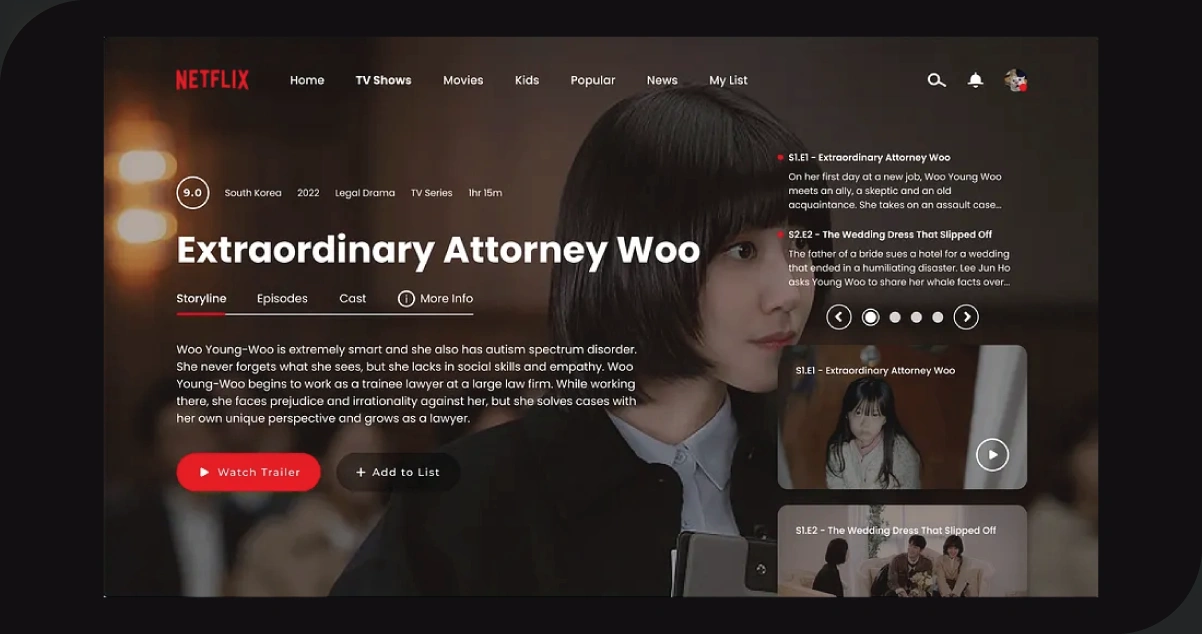
Streaming platforms constantly refresh their popularity lists, yet only a limited number of titles manage to hold top positions consistently. The challenge lies in identifying which performance indicators truly influence visibility. Analysts rely on structured datasets to scrape Netflix shows data that include rankings, release timing, episode count, and genre distribution to isolate these factors accurately.
A structured Netflix trending shows analysis reveals that trending content usually shares repeatable traits rather than random success. Studies show that nearly 70% of consistently ranked titles follow predictable engagement patterns, including shorter episode lengths, faster early traction, and strong cross-regional appeal.
Data-driven trend evaluation helps stakeholders recognize how early audience reactions influence long-term momentum. Titles that receive high engagement within the first 72 hours often remain visible for longer durations due to algorithm reinforcement. Furthermore, release frequency and content freshness significantly affect sustained placement across regional lists.
Key performance indicators reviewed:
| Metric Category | Insight Captured | Strategic Value |
|---|---|---|
| Rank Volatility | Speed of movement | Predicts trend durability |
| Genre Spread | Viewer preference alignment | Improves content targeting |
| Episode Depth | Completion likelihood | Signals audience commitment |
| Regional Coverage | Geographic resonance | Supports localization |
By correlating ranking patterns with engagement depth, organizations can forecast which content formats are more likely to succeed, reducing guesswork and improving strategic content planning.
Evaluating Viewer Engagement Through Behavioral Signals
Understanding audience behavior requires more than measuring view counts alone. Streaming engagement includes emotional reactions, commentary tone, and interaction frequency, all of which shape content visibility. Through Netflix Viewer Preferences Insights, analysts can interpret what motivates viewers to continue watching, recommend, or abandon a title.
Large-scale Netflix Reviews Scraping enables the collection of audience opinions linked to specific episodes, story arcs, or characters. When paired with engagement metrics, reviews provide contextual depth that numerical data cannot offer. Research indicates that shows generating strong emotional reactions—both positive and negative—tend to attract higher discussion volumes, indirectly boosting visibility.
Using tools to scrape Netflix reviews, analysts conduct Netflix sentiment analysis to classify viewer opinions into structured categories. This process reveals that approximately 64% of high-performing content generates emotionally polarized responses, confirming that intensity often matters more than neutrality. Sentiment patterns also help predict churn risks and long-term loyalty.
Viewer behavior metrics analyzed:
| Engagement Element | Description | Analytical Benefit |
|---|---|---|
| Rating Trends | Fluctuations over time | Measures sustained interest |
| Review Density | Volume of feedback | Indicates buzz strength |
| Phrase Repetition | Common viewer language | Reveals expectations |
| Viewing Consistency | Watch behavior patterns | Supports retention models |
By transforming unstructured opinions into actionable intelligence, businesses can align content strategies with authentic audience preferences rather than assumptions.
Turning Streaming Information Into Business Intelligence
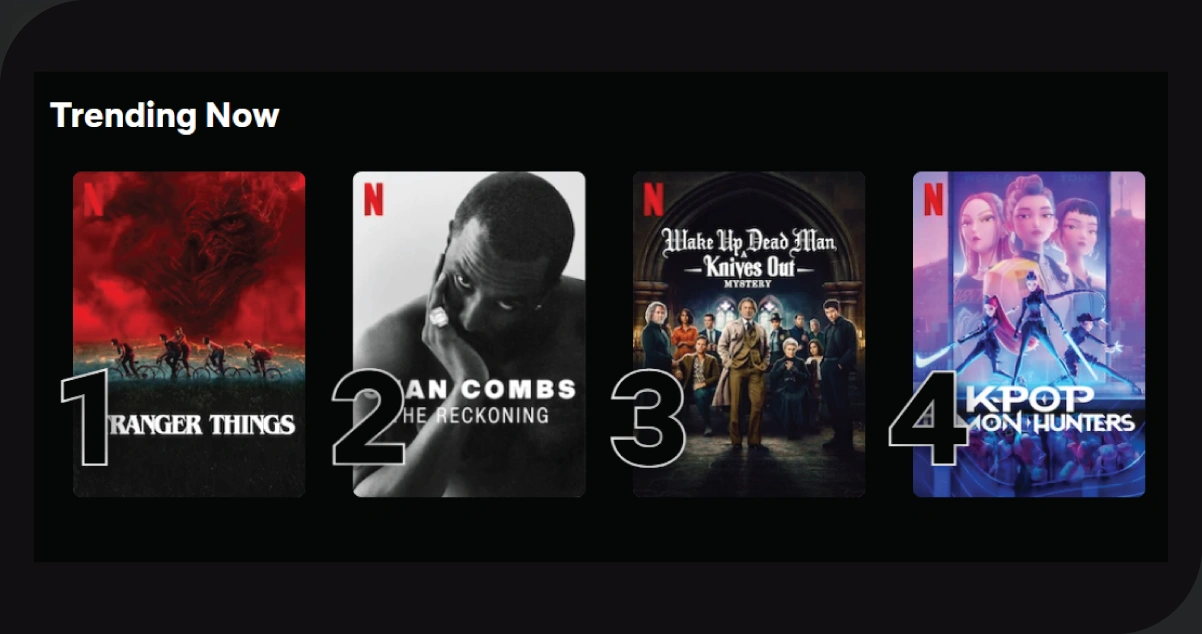
Raw streaming data is scattered across listings, rankings, and user feedback, making direct interpretation difficult. Through trending OTT data scraping, organizations consolidate fragmented information into structured datasets that support advanced analysis. This approach enables decision-makers to understand performance signals across multiple content dimensions.
Advanced Netflix data extraction methods allow continuous collection of rankings, metadata, and engagement indicators across regions and languages. When integrated with scalable OTT platform scraping tools, data pipelines operate automatically, reducing manual dependency and ensuring consistency.
Industry benchmarks show that organizations using structured OTT datasets experience up to 35% lower content investment risk. Centralized intelligence frameworks help teams compare content performance, evaluate launch timing, and anticipate audience response before expanding distribution.
Strategic data transformation overview:
| Data Source | Extracted Insight | Business Application |
|---|---|---|
| Popularity Lists | Visibility momentum | Demand forecasting |
| Content Metadata | Attribute mapping | Genre optimization |
| Audience Feedback | Emotional resonance | Content alignment |
| Update Frequency | Release impact | Scheduling strategy |
By standardizing streaming intelligence, businesses move from reactive interpretation to predictive decision-making. Structured data frameworks ensure that streaming insights directly support long-term growth strategies and competitive positioning.
How OTT Scrape Can Help You?
Businesses need automated intelligence systems that convert streaming activity into meaningful insights. In this context, Netflix data scraping supports data-driven decisions across content planning, audience analysis, and performance benchmarking without operational complexity.
Key advantages of our solutions:
- Identify content demand patterns across regions.
- Monitor engagement shifts in near real time.
- Improve content acquisition and licensing decisions.
- Evaluate show performance against competitors.
- Support marketing personalization strategies.
- Reduce analytical dependency on platform-reported metrics.
By structuring streaming data into actionable formats, organizations can align decisions with real audience behavior rather than assumptions. These insights become even more valuable when integrated with OTT platform scraping tools, enabling scalable, automated intelligence tailored to evolving OTT ecosystems.
Conclusion
Streaming intelligence has become a decisive factor in understanding why certain shows dominate viewer attention. When analyzed systematically, Netflix data scraping reveals how engagement depth, emotional response, and viewing consistency influence trending outcomes across regions and genres.
By translating streaming signals into structured insights, businesses gain clarity on audience behavior, content performance, and market demand. Combined with Netflix trending shows analysis, these insights empower data-backed decisions. Ready to turn OTT data into strategic intelligence? Connect with OTT Scrape today and transform streaming data into measurable growth opportunities.