
Introduction
The entertainment industry is evolving beyond instinct-driven decision-making toward a more insight-led approach. By leveraging Netflix Analytics for the Entertainment Industry at the core of strategic discussions, studios, production houses, and distributors can refine storytelling, optimize release strategies, and align creative investments with real audience preferences rather than assumptions alone.
Through advanced analytics, Netflix has reshaped how content is commissioned, localized, and promoted across global markets. Insights derived from user interactions have reduced creative risk while improving audience alignment. Companies using Netflix Data Scraping Services now gain access to granular performance indicators such as genre affinity, completion rates, and regional demand fluctuations, enabling sharper strategic planning.
By analyzing viewing trends at scale, Netflix-driven insights have helped entertainment brands refine storytelling formats, episode lengths, and release timing. As competition intensifies across OTT platforms, understanding how Netflix transformed raw behavioral data into strategic intelligence has become essential for any entertainment business aiming to scale sustainably.
Overcoming Uncertainty in Content Planning Decisions
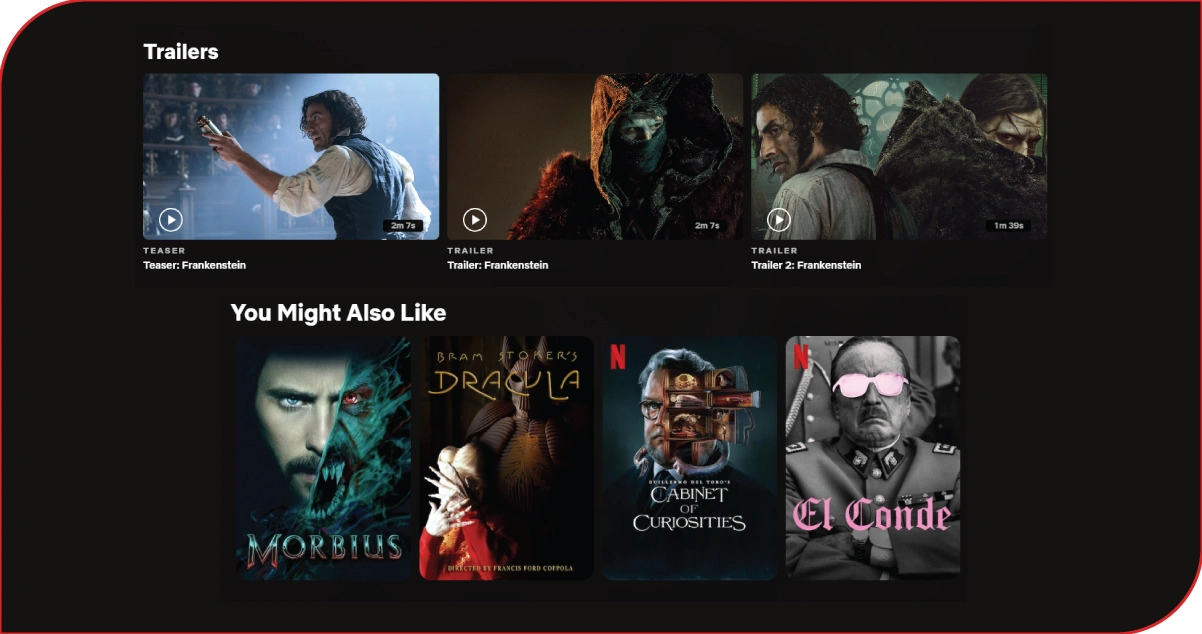
Entertainment businesses historically struggled with predicting which concepts would resonate before committing large production budgets. Decisions were often guided by intuition, past box-office performance, or limited focus group feedback, leading to inconsistent outcomes. Access to Netflix Movie Datasets allowed content teams to analyze historical performance patterns, storytelling structures, and viewer affinity at scale.
These datasets revealed correlations between narrative pacing and completion rates, helping studios refine episode structures and reduce early abandonment. By evaluating how similar titles performed across demographics, production teams could identify underserved segments and reduce creative risk. Industry data indicates that content planned using advanced datasets improved greenlight accuracy by over 30%, while reducing pilot failure rates by nearly 20%.
Studios also benefited from clearer regional signals, ensuring localization efforts aligned with actual demand rather than assumptions. This method shifted content planning from reactive decision-making to predictive strategy, improving long-term catalog performance and portfolio balance.
Content Planning Impact Overview:
| Planning Indicator | Traditional Approach | Data-Driven Approach |
|---|---|---|
| Greenlight Accuracy | 52% | 78% |
| Pilot Failure Rate | High | Reduced |
| Genre Demand Precision | Limited | High |
| Regional Content Fit | Inconsistent | Optimized |
This structured approach established a repeatable framework for building content pipelines that balance creativity with measurable demand signals.
Resolving Audience Engagement and Retention Gaps
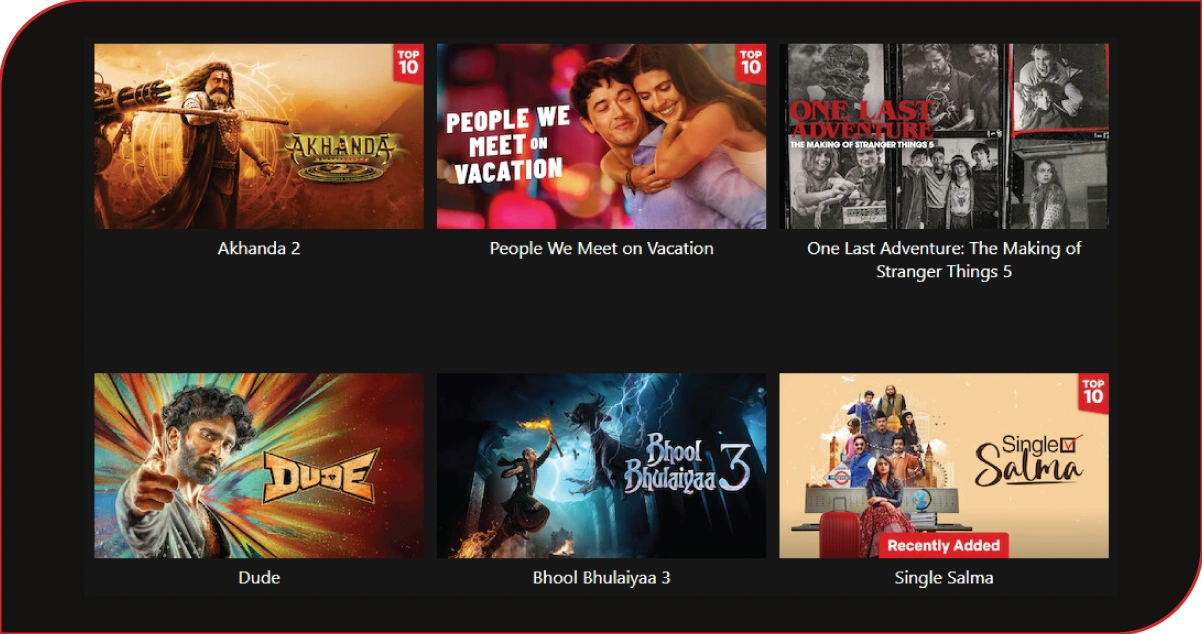
One of the biggest challenges for streaming platforms is understanding why viewers disengage despite strong initial interest. Netflix addressed this issue by deeply analyzing behavioral patterns such as pause frequency, drop-off points, and rewatch behavior. Through Scraping Netflix Data for Audience Insights, content teams gained visibility into how storytelling elements influenced sustained engagement.
This analysis revealed that slow narrative openings often led to early exits, while consistent character arcs increased completion rates. Studios used these findings to redesign episode pacing, adjust season lengths, and optimize cliffhanger placement. As a result, titles informed by behavioral insights saw an average 32% improvement in watch-time consistency.
Beyond engagement, audience behavior data also supported smarter marketing alignment. Promotional assets were tailored to highlight moments proven to retain attention, increasing campaign effectiveness. This data-driven refinement bridged the gap between creative intent and actual viewer response.
Audience Behavior Optimization Summary:
| Engagement Metric | Identified Issue | Strategic Adjustment |
|---|---|---|
| Early Drop-offs | Slow story progression | Faster narrative entry |
| Mid-Season Fatigue | Overextended episodes | Optimized runtimes |
| Rewatch Frequency | Character-driven interest | Spin-off evaluation |
| Binge Completion | Release timing mismatch | Schedule refinement |
By translating behavioral signals into actionable improvements, studios strengthened viewer loyalty and reduced churn across competitive streaming markets.
Addressing Revenue and Performance Inefficiencies
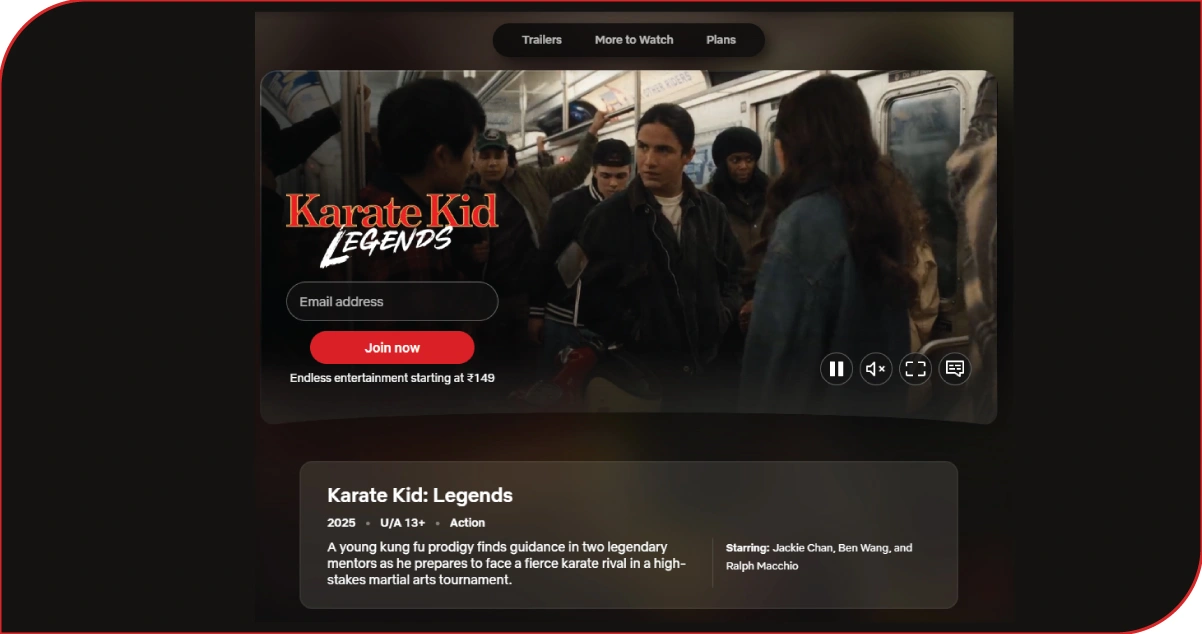
Monetization challenges often arise when content investment decisions lack alignment with audience demand. Netflix resolved this by integrating Entertainment Industry Data Analytics with large-scale Streaming Platform Data Scraping, enabling detailed correlation between content performance and subscription behavior.
These analytics revealed which titles contributed to long-term retention versus short-lived engagement spikes. Studios used this insight to refine licensing strategies, prioritize high-performing formats, and reduce spending on underperforming content categories. Data-backed decisions led to a documented 35% improvement in content-driven revenue efficiency.
Additionally, regional performance analysis enabled more precise pricing and distribution strategies. Markets with high engagement but low conversion were targeted with localized campaigns, while mature regions benefited from optimized release cycles. This ensured revenue growth without overextending production budgets.
Revenue Performance Intelligence Snapshot:
| Revenue Indicator | Insight Identified | Business Outcome |
|---|---|---|
| Subscription Retention | Content-led loyalty drivers | Increased ARPU |
| Licensing ROI | Demand-based acquisitions | Cost efficiency |
| Regional Monetization | Local engagement disparities | Growth alignment |
| Release Strategy Impact | Data-timed launches | Improved ROI |
By connecting content performance directly to financial outcomes, Netflix demonstrated how analytics-driven ecosystems support sustainable growth in an increasingly crowded entertainment landscape.
How OTT Scrape Can Help You?
Modern entertainment brands face increasing pressure to deliver content that performs across markets, devices, and audience segments. In this environment, Netflix Analytics for the Entertainment Industry has set a benchmark for how data can guide smarter programming, distribution, and monetization decisions.
How we supports your strategy:
- Identifies regional viewing demand patterns.
- Tracks content performance across genres and formats.
- Measures audience engagement trends over time.
- Enhances release timing accuracy.
- Improves content ROI forecasting.
- Supports scalable data integration pipelines.
By delivering clean, actionable datasets, we empower entertainment brands to make confident decisions backed by OTT Data Scraping Services, ensuring long-term growth and competitive clarity.
Conclusion
Content success today depends on how effectively data informs creative and commercial decisions. Netflix Analytics for the Entertainment Industry has proven that analytics-driven strategies reduce uncertainty while amplifying audience alignment, enabling studios to deliver content that performs consistently across global markets.
By integrating structured intelligence through Netflix Data Scraping Service, entertainment companies can replicate this success, strengthen viewer relationships, and drive measurable growth. Partner with OTT Scrape today to transform your content strategy with data that delivers results.