
Introduction
The music streaming industry continuously evolves as listeners change their preferences, follow emerging artists, and respond to new releases. Understanding these changes helps record labels, marketers, and entertainment businesses develop relevant campaigns. Playlist information provides valuable signals about listener interests, popular genres, and changing music consumption patterns across different audiences.
By examining track details, artist names, playlist appearances, and available popularity indicators, analysts can identify patterns that support informed decisions. JioSaavn Playlist Data Extraction for Music Analytics enables businesses to organize publicly accessible playlist information into structured datasets for trend evaluation. These insights also help businesses understand how musical preferences differ across genres and listener segments.
Reliable data collection supports JioSaavn Metadata Extraction for Business Intelligence by transforming scattered music information into useful analytical resources. Companies can evaluate emerging artists, compare playlist compositions, and identify opportunities for promotional activities. When collected consistently and analyzed responsibly, this information helps marketing teams plan campaigns around measurable audience interests rather than assumptions.
Evaluating Playlist Patterns to Identify Emerging Music Trends
Playlists offer valuable insights into changing music preferences over time. Tracking recurring tracks, playlist changes, and emerging artists helps analysts identify growing musical interests. Businesses can Scrape JioSaavn Playlist Tracks to assess popular genres, track visibility, and listener preferences across playlist categories, supporting informed music market research. Consistent observations help create a stronger foundation for market research.
Using JioSaavn Streaming Data Scraping, analysts can organize publicly accessible music information into structured datasets for comparison. This approach helps teams review artist names, track titles, playlist categories, and other available metadata without depending entirely on manual research. Collection schedules can also help businesses compare observations across different periods and identify potential changes that deserve further investigation.
| Data point | Analytical purpose |
|---|---|
| Track titles | Identify frequently featured songs |
| Artist names | Compare artist representation |
| Playlist categories | Evaluate genre distribution |
| Collection dates | Monitor changes over time |
| Track metadata | Support consistent record matching |
Several factors can influence playlist composition, including new releases, seasonal listening habits, promotional campaigns, and editorial decisions. Analysts should consider these influences before interpreting changes as evidence of sustained popularity. Comparing multiple observations provides a more balanced understanding of emerging patterns and reduces the risk of drawing conclusions from isolated events.
Businesses can improve their research processes by maintaining organized records and reviewing relevant indicators regularly. Important practices include:
- Track playlist changes at consistent intervals.
- Standardize artist and song identification fields.
- Compare similar playlist categories across periods.
- Validate missing information before preparing reports.
- Separate observed patterns from assumptions about listener behavior.
These practices help entertainment businesses build reliable datasets for trend evaluation and strategic planning.
Analyzing Artist Visibility and Competitive Music Performance
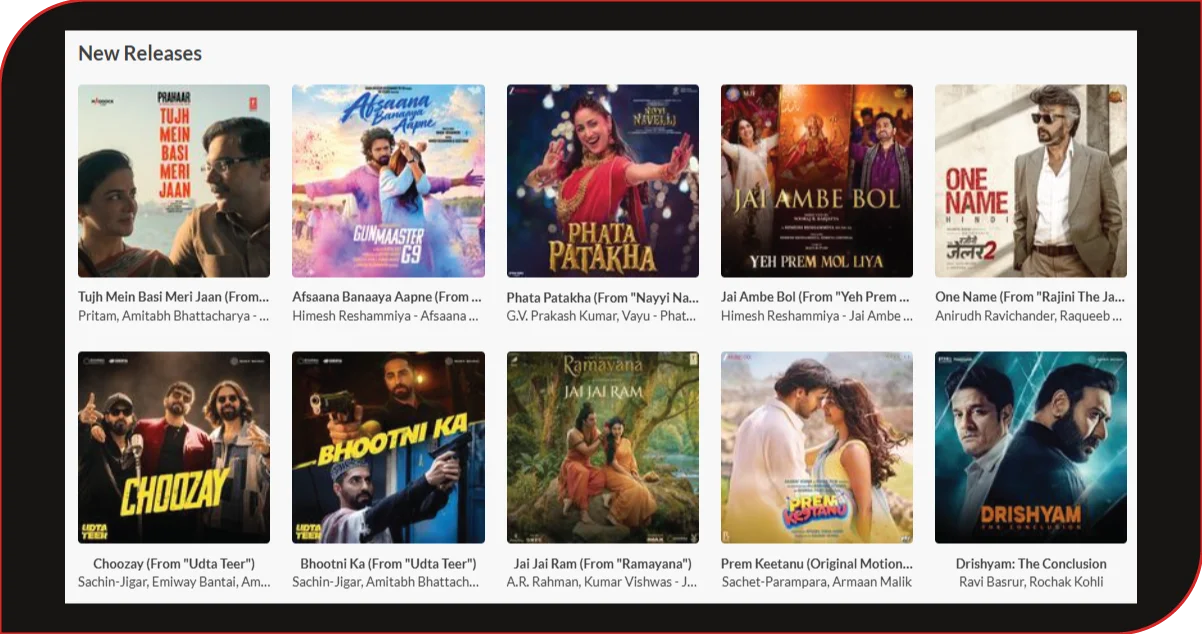
Artist visibility is essential for music marketing, promotional planning, and competitive analysis. Reviewing playlist placements and track representation helps businesses identify popular performers, compare music catalogs, and track genre trends. JioSaavn Music Data API Integration supports these efforts by helping analysts assess artist visibility and identify performers gaining attention across music categories. However, playlist visibility should be evaluated alongside other available indicators before making decisions about commercial opportunities.
Through Scrape Songs Data Music Data Scraping, research teams can organize relevant track information into consistent formats for analytical tools. Structured records make it easier to compare artists, identify duplicate entries, and examine playlist composition across different collection periods. When supported by reliable historical records, these datasets can help businesses understand how music catalogs change and which areas deserve additional research.
| Research area | Business application |
|---|---|
| Artist representation | Compare performer visibility |
| Track appearances | Evaluate playlist inclusion |
| Genre distribution | Examine category-level patterns |
| Catalog changes | Review newly appearing tracks |
| Historical records | Identify changes across periods |
Competitive music analysis becomes more useful when teams consider the context behind observed changes. A track may appear in multiple playlists because of an editorial update, a promotional campaign, or a new release. Analysts should avoid assuming that playlist placement directly represents streaming volume, audience sentiment, or revenue unless supporting evidence is available.
Businesses can strengthen artist research by combining playlist observations with authorized campaign results, release schedules, and other relevant market information. This broader approach supports more informed evaluations of promotional opportunities and competitive positioning.
Useful practices for artist and catalog research include:
- Compare artist appearances across relevant playlists.
- Maintain consistent identifiers for tracks and performers.
- Review changes alongside release dates and promotions.
- Validate records before producing comparative reports.
- Document limitations when interpreting playlist indicators.
These methods help teams evaluate music visibility systematically while keeping their conclusions aligned with the available evidence.
Turning Music Trend Observations Into Marketing Decisions
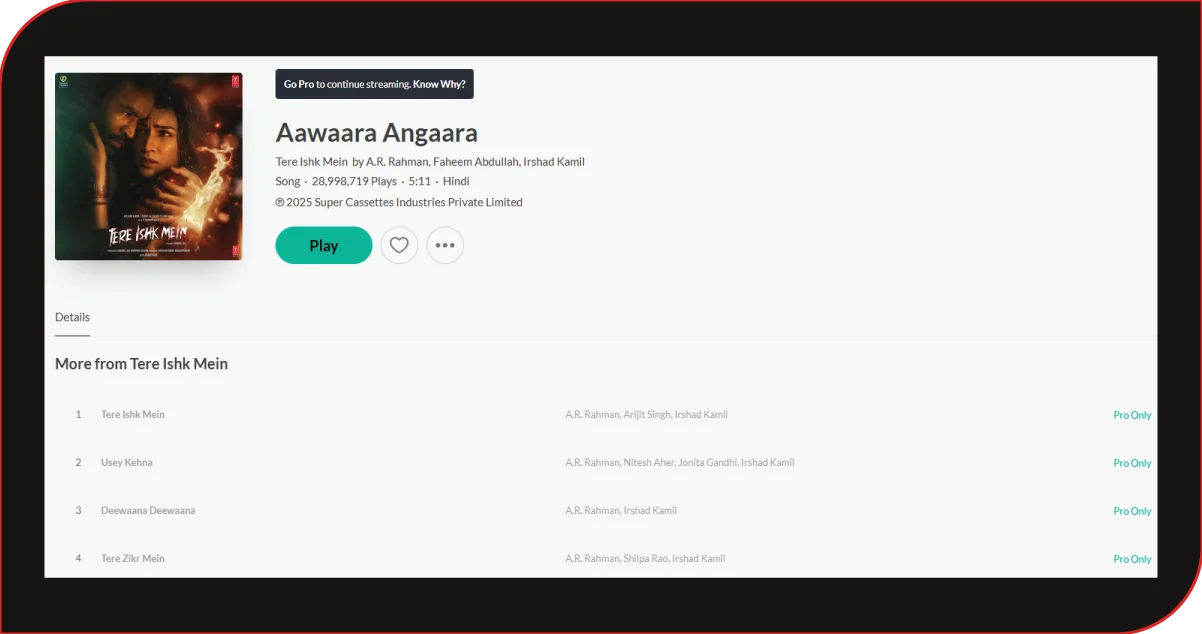
Organized music data helps businesses make informed marketing decisions by evaluating genre representation, tracking artist visibility, and identifying emerging opportunities. Real-Time JioSaavn Music Trend Tracking supports campaign planning, promotional scheduling, partnership evaluation, and content strategy. Reliable analysis also helps businesses explain their decisions using measurable indicators rather than relying exclusively on intuition.
Businesses that Scrape OTT Platform Data can organize publicly accessible entertainment information from permitted sources to support broader market comparisons. When the collected information is consistent and appropriately documented, analysts can compare relevant categories and prepare reports for marketing and business intelligence teams. Collection activities must respect platform terms, applicable regulations, technical restrictions, and privacy requirements.
| Marketing activity | Potential benefit |
|---|---|
| Artist research | Identify potential promotional opportunities |
| Genre analysis | Refine music category planning |
| Campaign evaluation | Compare campaign-related performance indicators |
| Content planning | Inform music-related editorial decisions |
| Trend reporting | Support evidence-based recommendations |
Marketing teams should distinguish between observed playlist activity and confirmed audience behavior. Playlist appearances can provide useful context, but they do not independently establish listener demographics, total streams, purchase intent, or campaign effectiveness. Combining playlist observations with authorized performance metrics offers a more balanced basis for evaluating potential opportunities.
Businesses can make their reporting workflows more effective by using consistent collection schedules, clear data definitions, and repeatable validation procedures. Recommended practices include:
- Align analytical reports with specific business objectives.
- Compare equivalent periods when reviewing changes.
- Maintain clear documentation for collected information.
- Verify data quality before sharing recommendations.
- Review campaign outcomes against measurable performance indicators.
With these methods, entertainment businesses can develop more consistent music intelligence processes and improve the quality of decisions made from available playlist information.
How OTT Scrape Can Help You?
Music analytics requires organized information, reliable collection processes, and reporting systems that help businesses interpret changing entertainment preferences. JioSaavn Playlist Data Extraction for Music Analytics can support this process by structuring accessible playlist and track information for further evaluation.
Key ways we can support music intelligence include:
- Structured Data Collection: Organize relevant music information into consistent datasets.
- Automated Extraction Workflows: Reduce repetitive manual data gathering.
- Data Quality Validation: Identify missing fields, duplicates, and inconsistencies.
- Historical Data Organization: Maintain comparable records for trend analysis.
- Flexible Data Delivery: Prepare structured outputs for reporting and analytics tools.
- Scalable Data Processing: Support growing collection requirements as projects expand.
With JioSaavn Song Metadata Scraping, businesses can examine available track details and incorporate verified observations into their research processes. Collection methods should respect platform terms, applicable regulations, and technical access restrictions while ensuring that findings are interpreted within the limitations of the available data.
Conclusion
Understanding music preferences requires consistent observations, organized datasets, and meaningful comparisons across collection periods. JioSaavn Playlist Data Extraction for Music Analytics helps businesses evaluate playlist composition, research emerging artists, and identify potential shifts in musical interests. Combining these observations with campaign performance and other authorized information can strengthen strategic planning.
With Real-Time JioSaavn Music Trend Tracking, businesses can build a more responsive approach to music research and promotional planning. We support structured collection and analysis workflows tailored to business requirements. Contact OTT Scrape today to discuss your music data requirements and develop a reliable analytics solution.