
Introduction
OTT platforms continue expanding catalogs, pricing models, and audience offerings, making structured content intelligence important for market research. JioHotstar Content Data Extraction for OTT Market Research helps teams examine titles, genres, languages, ratings, release patterns, and pricing signals within a consistent analytical framework for recurring research programs and reporting needs.
With refreshed datasets, researchers can compare catalog breadth, content positioning, and audience-facing metadata across different periods. A JioHotstar Data Scraping API for OTT Market Trends can support recurring collection, structured delivery, and timely updates for dashboards, reports, and competitive monitoring workflows while reducing repetitive manual work for analysts and research teams.
This approach also supports broader research into programming strategies and market movement. By organizing movie and series information into usable datasets, teams can evaluate content availability, popularity indicators, and emerging patterns while improving consistency across research projects, supporting clearer evidence-based reporting, simplifying periodic content comparisons, and strengthening market intelligence activities.
Tracking Release Patterns Across The Streaming Catalog
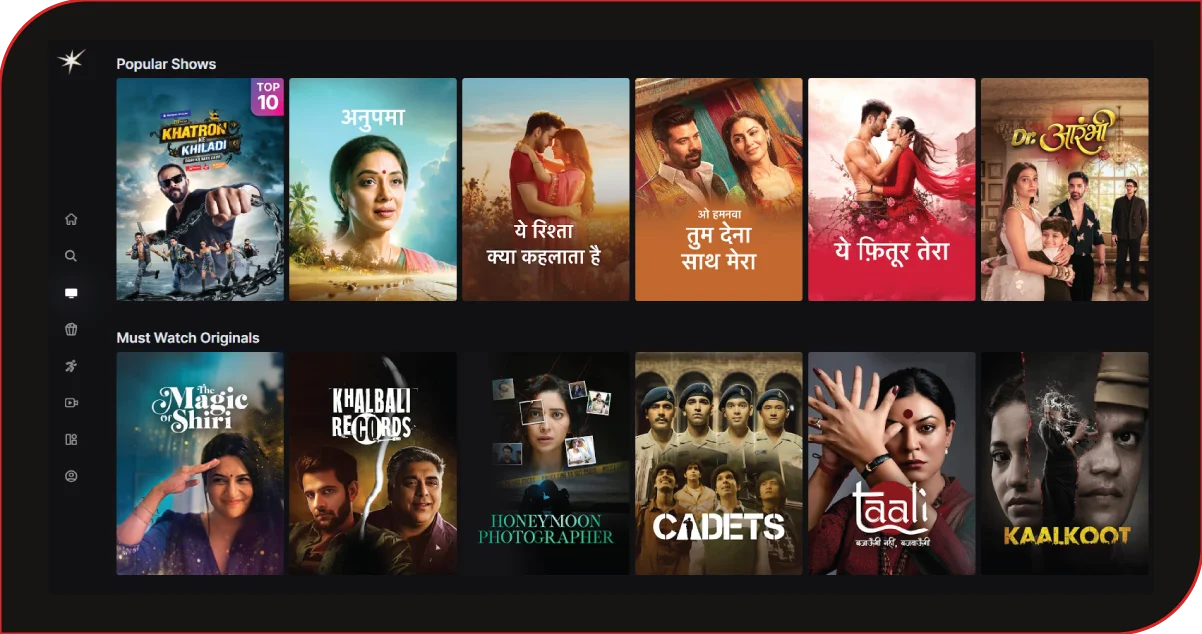
Release activity provides valuable signals about how frequently a streaming platform refreshes its library and which content categories receive greater attention. When researchers organize title names, release dates, genres, languages, ratings, and content types, they can establish a structured view of catalog movement. This makes recurring analysis more consistent and allows teams to compare additions across different periods without relying on scattered manual observations. OTT Market Research Data for JioHotstar Content Tracking can further organize these attributes into research-ready datasets for reporting, benchmarking, and trend evaluation.
A consistent release dataset can also help analysts identify seasonal programming patterns and changes in content frequency. By applying Scrape Latest Releases Data within the collection workflow, teams can focus on newly added movies and series and compare their attributes with earlier releases. This can reveal whether specific genres, languages, or formats are becoming more prominent during selected periods. Such information can contribute to broader assessments of catalog freshness and programming direction.
For competitive studies, release information becomes more useful when it is categorized and normalized. Researchers can group titles according to release month, content type, language, rating range, or genre, creating practical segments for analysis. These structured groups can help teams prepare recurring reports and identify notable shifts in the composition of available programming.
Key tracking areas include:
- Newly added movies and series
- Release dates and publishing frequency
- Genre distribution across new titles
- Language-wise release activity
- Rating patterns among recent additions
| Metric | Example Insight |
|---|---|
| New titles | Weekly catalog movement |
| Genres | Category expansion |
| Languages | Regional diversity |
| Release dates | Programming frequency |
| Ratings | Audience response signals |
Such a structured workflow gives researchers a repeatable foundation for evaluating release behavior. Instead of reviewing individual titles manually, analysts can work with standardized records that support comparisons, visualizations, periodic reporting, and broader OTT market assessments.
Comparing Catalog Structure For Deeper Market Insights
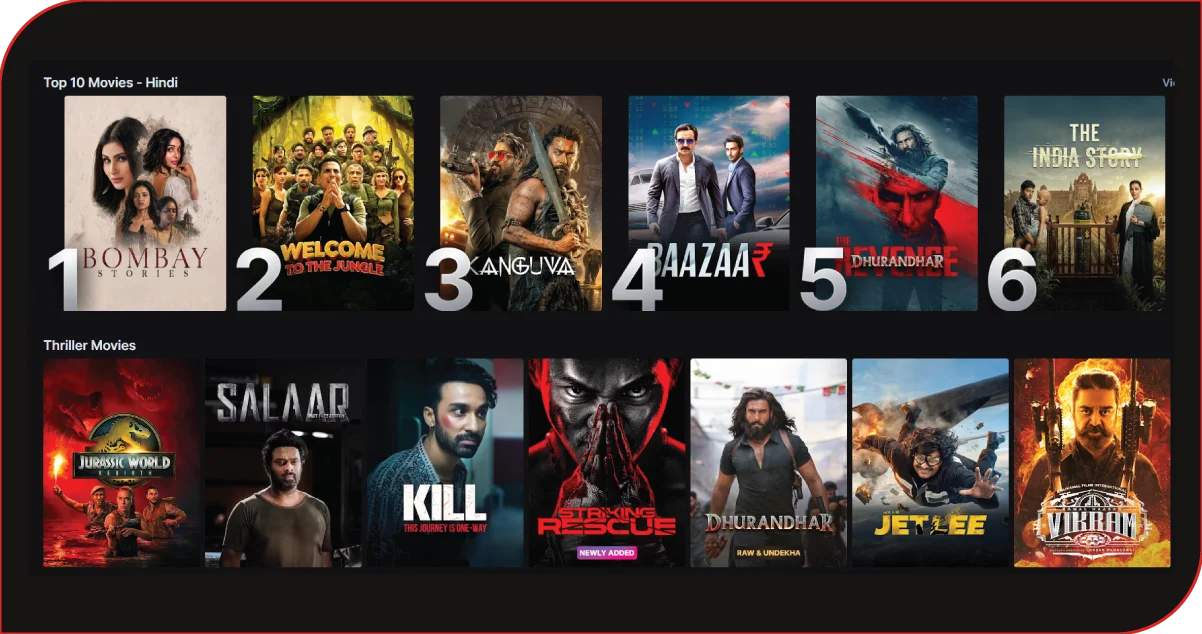
Catalog structure can provide meaningful context for understanding how a streaming platform positions its content across different categories. Researchers can examine title counts, genres, languages, ratings, formats, and availability periods to understand the composition of a library. Web Scraping JioHotstar Catalog Data for Competitor Analysis can help organize these attributes into comparable datasets, allowing analysts to conduct structured evaluations across selected periods and content groups.
A normalized catalog also makes competitive benchmarking more practical. Instead of examining titles individually, teams can categorize records according to movie or series type, language, genre, rating range, and other relevant attributes. This organization can highlight changes in assortment and identify categories that appear more frequently within particular periods. Such comparisons can support research reports that require consistent data points across multiple collection cycles.
Another important application involves examining broader market trends through historical comparisons. When catalog records are maintained over time, analysts can identify additions, removals, category changes, and shifts in content composition. Web Scraping JioHotstar Data for Content Market Trends can provide structured inputs for these assessments, helping teams evaluate catalog development alongside other OTT market indicators and research variables.
Important catalog analysis areas include:
- Movie and series assortment
- Genre-level content distribution
- Language-based catalog coverage
- Rating-based segmentation
- Periodic catalog changes
| Data Point | Research Use |
|---|---|
| Catalog size | Assortment comparison |
| Genre mix | Positioning analysis |
| Language | Regional coverage |
| Ratings | Content performance context |
| Availability | Catalog continuity |
When these records are maintained in a consistent format, analysts can build repeatable benchmarking processes. The resulting datasets can support dashboards, market reports, content studies, and periodic competitor assessments while reducing the effort required to organize information manually.
Analyzing Popularity Signals Across Movies And Series
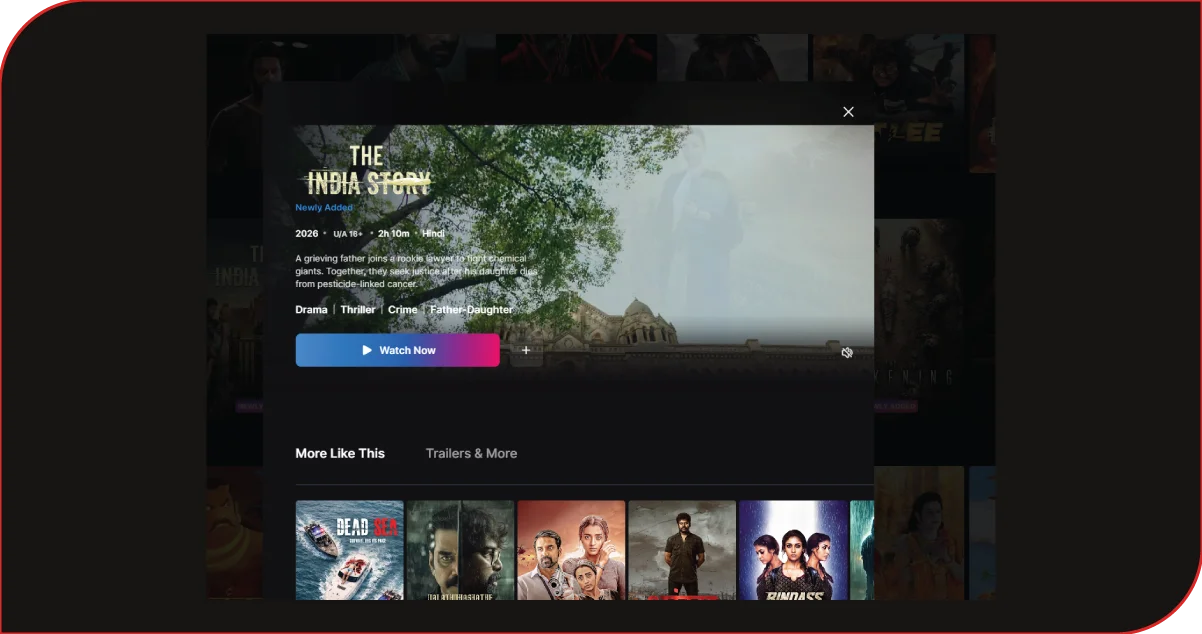
Popularity indicators can provide useful context for understanding which titles receive greater audience attention and how content preferences change across different periods. Researchers can combine title metadata, ratings, genres, languages, release dates, and popularity-related indicators to create structured analytical datasets. JioHotstar Movie and Series Data Scraping for OTT Analytics can support this process by organizing title-level information into formats suitable for segmentation, reporting, and trend evaluation.
Researchers can categorize popular content by genre, language, release period, and content type to identify recurring patterns within the catalog. These comparisons can show whether particular categories consistently appear among highly visible titles or whether audience-facing preferences change over time. Such segmentation can also help analysts prepare focused reports around content performance indicators without depending exclusively on individual title reviews.
Periodic collection makes popularity analysis more useful because the same indicators can be compared across different reporting cycles. By applying Scrape Popular Shows Data as part of a structured workflow, teams can monitor highly visible programming and examine how the composition of popular titles changes. This can provide additional context for studies involving content demand, programming patterns, and audience-facing catalog movement.
Key popularity analysis areas include:
- Highly visible movie titles
- Popular series and episodic content
- Genre-wise popularity patterns
- Language-specific audience signals
- Changes across collection periods
| Indicator | Analytical Value |
|---|---|
| Popular titles | Demand signals |
| Ratings | Audience feedback |
| Genre | Preference patterns |
| Language | Regional interest |
| Release period | Trend comparison |
Combining popularity indicators with broader catalog information can create a more comprehensive research dataset. Analysts can use these records for periodic comparisons, content trend reports, audience research, and strategic OTT assessments while maintaining a structured foundation for future analysis.
How OTT Scrape Can Help You?
OTT teams often need reliable datasets that can move from collection to analysis without extensive manual preparation. JioHotstar Content Data Extraction for OTT Market Research can support structured workflows for catalog monitoring, metadata comparison, release tracking, and market reporting. The process can be tailored to the fields, frequency, and delivery format required for each research project.
Key ways we can help include:
- Build structured movie and series datasets
- Monitor catalog changes across selected periods
- Organize metadata for recurring research reports
- Track ratings, genres, languages, and release information
- Deliver cleaned records in analysis-ready formats
- Support scheduled collection for ongoing monitoring
With consistent datasets, analysts can connect content observations with broader business research and reporting workflows. JioHotstar Movie and Series Data Scraping for OTT Analytics can add a focused analytical perspective when teams need organized title-level information for market studies, content comparisons, performance reporting, research planning, and recurring strategic assessments.
Conclusion
A structured approach to OTT intelligence can make catalog research more consistent, especially when teams monitor frequent content additions and changing audience-facing metadata. JioHotstar Content Data Extraction for OTT Market Research can organize relevant information into datasets that support comparisons, trend studies, and recurring analytical workflows for content teams, analysts, and researchers working across multiple reporting periods and market segments.
By combining catalog, release, rating, language, and genre information, research teams can build clearer views of programming patterns and competitive positioning. OTT Market Research Data for JioHotstar Content Tracking can strengthen recurring monitoring by keeping important content signals organized for reports, dashboards, periodic market assessments, strategic planning, and ongoing research. Contact OTT Scrape today to discuss your JioHotstar data requirements and build a structured OTT intelligence workflow.