
Introduction
OTT platforms contain extensive information about movies and television programs, including titles, genres, ratings, release dates, descriptions, and content classifications. HYFLIX Movie Data Scraping With Ratings and Release Dates creates a structured approach for collecting these details across large entertainment catalogs and organizing them for research, monitoring, and competitive analysis.
For catalogs exceeding 10K titles, manually reviewing content becomes difficult, especially when new releases, ratings, and genres change frequently. HYFLIX Data Scraping Services can automate recurring collection workflows while maintaining organized records for downstream analysis. This supports teams evaluating content availability, audience preferences, and catalog expansion patterns.
Structured entertainment datasets also make it easier to compare historical and current catalog conditions. HYFLIX Streaming Content Data Scraping can support researchers and analysts by transforming scattered platform information into usable records containing relevant metadata, helping businesses evaluate programming patterns, content trends, and release activity at scale.
Large-Scale Catalog Structure Strengthens Detailed Entertainment Research
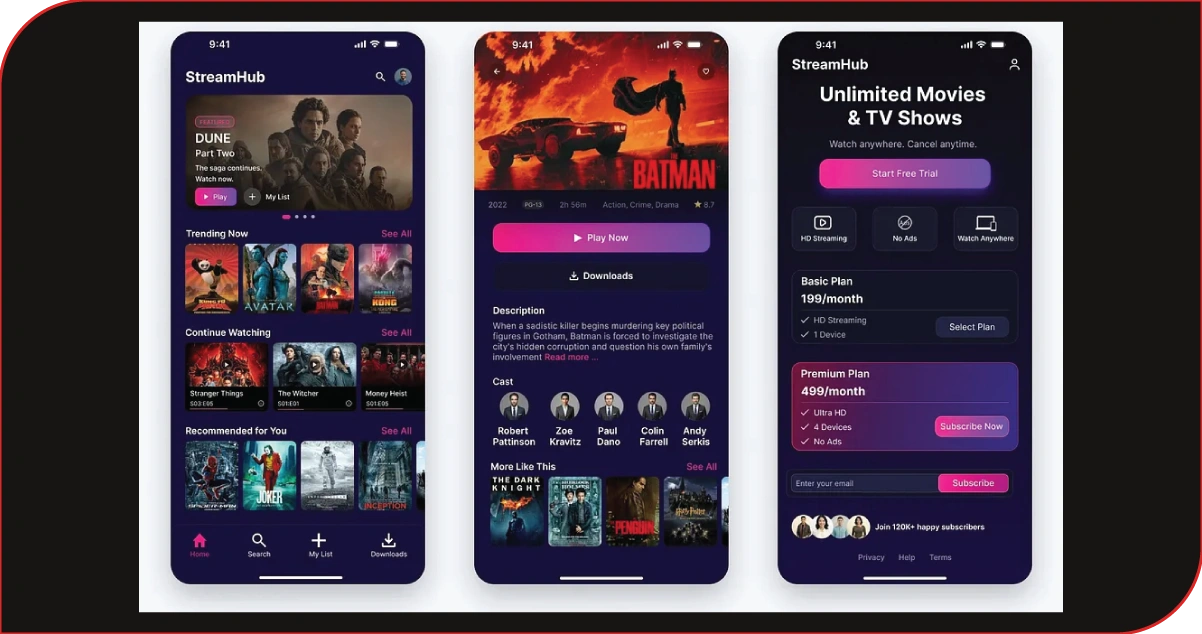
Managing a catalog containing more than 10K titles requires an organized collection process that can consistently capture important entertainment attributes. Instead of manually reviewing individual pages, structured extraction can gather title names, descriptions, content categories, ratings, and other available metadata into standardized records. This makes large collections easier to search, compare, filter, and maintain across recurring research cycles.
For television-focused research, Scrape TV Shows Data can help organize program-level information alongside movie records. Analysts can separate television content from other catalog categories while retaining consistent fields across the overall dataset. This structure is particularly useful when researchers need to compare programming volume, identify content gaps, or examine how different title types contribute to the overall catalog.
A scalable workflow can also reduce repetitive research activities and provide more consistent records during periodic collection. Web Scraping HYFLIX Movies and TV Shows Data supports the organization of movie and television information into datasets that can be processed using analytical tools. Researchers can then sort records by categories, compare title attributes, and prepare historical snapshots for longer-term catalog evaluation.
| Data Component | Collection Purpose | Research Application |
|---|---|---|
| Movie Titles | Catalog organization | Content comparison |
| TV Programs | Program tracking | Television analysis |
| Descriptions | Content context | Title classification |
| Categories | Content grouping | Catalog segmentation |
- Centralized organization of extensive entertainment records
- Consistent metadata fields across collected titles
- Easier filtering and categorization of content
- Reduced repetitive manual research activities
- Better preparation for recurring catalog comparisons
Ratings And Genre Signals Clarify Patterns Across Catalogs
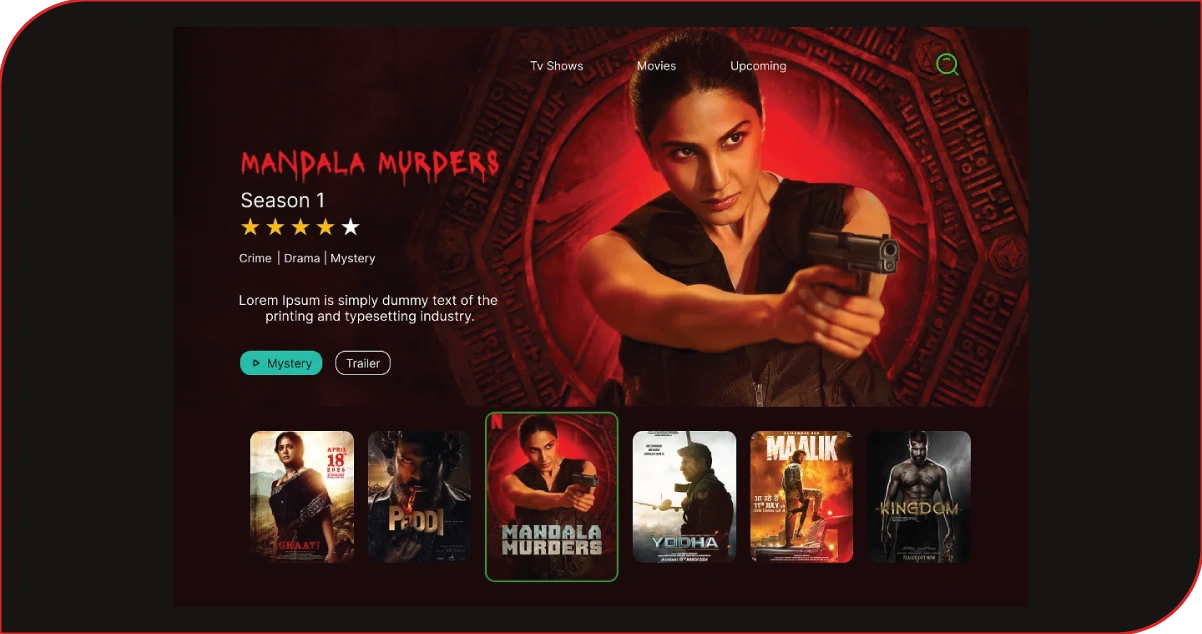
Ratings and genres provide useful indicators for evaluating the composition of an entertainment catalog. A large dataset can show how titles are distributed across rating ranges and content categories, allowing analysts to identify dominant segments and less represented areas. These signals become more meaningful when thousands of records are examined together rather than individually.
Genre information can reveal which categories occupy the largest portions of a catalog and how programming is distributed across different audience interests. Scrape Popular Genres Data can support category-level evaluation by organizing genre attributes into structured records. Researchers can compare genre frequency, identify concentration patterns, and observe how category representation changes during repeated collection periods.
Ratings can provide another layer of analytical context when combined with title and category information. A structured collection process can group titles according to rating ranges, making it easier to identify highly rated segments, average-performing categories, and broader distribution patterns. This approach can support content benchmarking without depending on isolated observations from individual titles.
| Analytical Area | Measurement Focus | Potential Insight |
|---|---|---|
| Rating Distribution | Rating ranges | Audience response patterns |
| Genre Frequency | Category counts | Content concentration |
| Title Segments | Category combinations | Catalog structure |
| Historical Changes | Period comparisons | Emerging trends |
- Classification of titles by content category
- Comparison of rating distributions
- Identification of dominant genre segments
- Evaluation of category-level content concentration
- Support for historical content comparisons
Release Tracking Builds Timely Intelligence From Expanding Catalogs
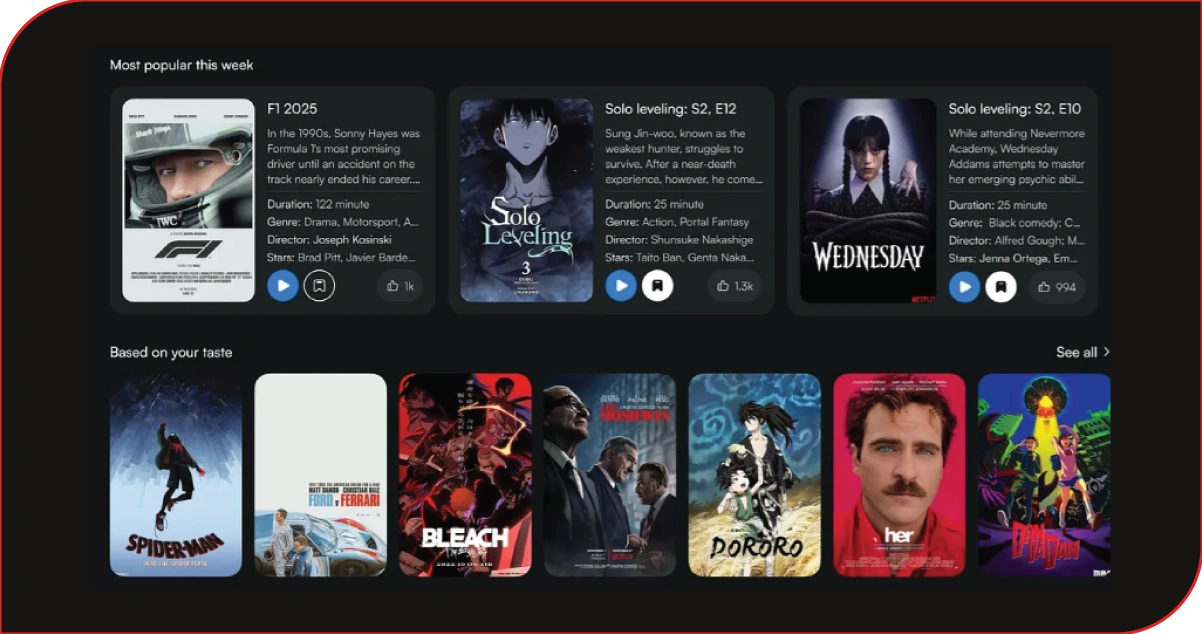
Release dates create an important chronological layer for entertainment research because they show when movies and television programs entered the catalog or were associated with particular launch periods. Tracking this information across thousands of records can help researchers organize content timelines and evaluate publishing activity over specific periods.
A structured release-date collection can also support research into recent catalog additions. HYFLIX Release Date Dataset for Research can provide organized chronological records that researchers may use to compare older and newer content. By arranging titles according to release information, analysts can examine publishing frequency, content additions, and changes in catalog activity across selected timeframes.
Monitoring newly added entertainment content becomes easier when recurring collection workflows are established. Scrape Latest Releases Data can help teams identify recently listed titles and organize them alongside historical records. This makes it possible to compare current catalog activity with previous periods while reducing the need for repeated manual reviews of individual pages.
| Timeline Metric | Tracking Focus | Research Value |
|---|---|---|
| Release Date | Individual titles | Timeline analysis |
| New Additions | Recent content | Catalog monitoring |
| Monthly Volume | Publishing frequency | Activity measurement |
| Historical Records | Previous periods | Trend comparison |
- Chronological organization of entertainment titles
- Identification of recent catalog additions
- Comparison between new and older content
- Evaluation of publishing activity over time
- Support for recurring catalog monitoring
How OTT Scrape Can Help You?
OTT platforms generate large volumes of entertainment metadata, making structured collection valuable for teams working with extensive catalogs. HYFLIX Movie Data Scraping With Ratings and Release Dates can help organize title-level information into datasets that support content research, competitive evaluation, and recurring catalog monitoring.
Key ways we can support this workflow include:
- Automating repetitive entertainment metadata collection
- Organizing movie and television records consistently
- Tracking rating changes across collected records
- Categorizing content according to available genre information
- Monitoring newly listed titles and release activity
- Preparing structured datasets for analytical workflows
A reliable extraction process can reduce manual research effort while making large catalogs easier to evaluate. Teams can also combine historical snapshots to identify changes in content composition, release frequency, and rating patterns. Scrape HYFLIX TV Show Ratings and Genres can complement these workflows by providing organized television metadata for deeper content-level comparisons and research projects.
Conclusion
Large entertainment catalogs require organized data collection when teams need to evaluate thousands of titles consistently. HYFLIX Movie Data Scraping With Ratings and Release Dates can bring movie and television metadata into structured datasets containing ratings, genres, release timelines, and other relevant fields. This supports research workflows that depend on recurring and scalable catalog analysis.
For broader analytical requirements, HYFLIX OTT Content Data Extraction for Analysis can help transform collected entertainment information into usable datasets for monitoring and comparison. Structured records can simplify catalog evaluation, historical analysis, and content trend assessment across large title collections. Contact OTT Scrape to build a customized HYFLIX entertainment dataset for your research and analysis needs.