
Introduction
Competitive eSports has transformed into a data-driven ecosystem where match statistics, player performance metrics, and tournament trends influence team strategies, sponsorships, fan engagement, and betting analysis. Businesses, gaming analysts, and esports researchers increasingly depend on HLTV Data Scraping for CS2 Match Analytics & Insights to evaluate player efficiency, team consistency, weapon usage patterns, and tournament outcomes across global events.
Modern esports intelligence requires scalable methods to collect structured datasets from multiple matches and tournaments in real time. This rising demand for automated extraction techniques has expanded the need to Scrape Popular Sports Data alongside competitive gaming datasets for unified sports intelligence systems.
Detailed datasets from HLTV help identify player form fluctuations, economy trends, and tactical shifts across competitive seasons. With the esports industry crossing billions in annual revenue, reliable CS2 data extraction supports media agencies, fantasy gaming platforms, research firms, and betting analysts aiming to create actionable esports intelligence frameworks for global audiences.
Creating Centralized Systems For Professional Match Intelligence
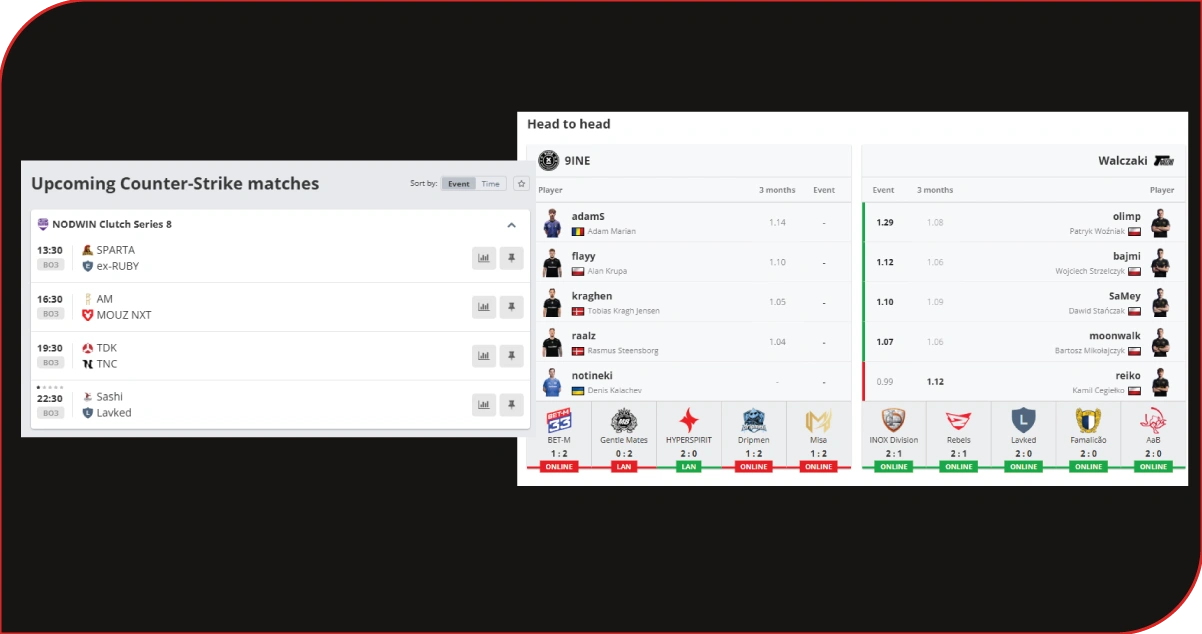
Teams, analysts, and gaming agencies increasingly depend on automated extraction methods to study player consistency, map dominance, tactical behavior, and long-term performance trends. Businesses also utilize HLTV Match History Scraper for Deep Insights to evaluate roster transitions and identify strategic improvements across multiple tournaments and seasonal events.
Managing fragmented match information manually creates operational delays and increases inconsistency risks for research teams. Automated collection pipelines simplify this process by consolidating historical records into centralized systems that improve reporting efficiency. Many esports companies now integrate audience analytics platforms to Scrape Data From Popular OTT Platform Apps and compare streaming engagement with tournament popularity metrics and viewer retention behavior.
Advanced analytical infrastructures support decision-makers by providing faster access to structured esports intelligence. Research organizations frequently combine automated match tracking with predictive systems to improve tournament preparation and commercial planning processes. These scalable workflows help maintain data consistency while reducing operational overhead for global esports monitoring.
Important Operational Benefits:
| Analytics Function | Business Advantage |
|---|---|
| Historical Match Tracking | Improves long-term performance evaluation |
| Team Trend Monitoring | Supports tactical comparisons |
| Real-Time Reporting Systems | Enhances decision-making speed |
| Structured Database Creation | Reduces manual collection efforts |
| Audience Behavior Analysis | Improves engagement forecasting |
Recent industry studies suggest that over 65% of esports research firms now rely on automated collection systems for advanced statistical analysis and predictive reporting. Organizations using scalable infrastructures can process thousands of match records efficiently while improving data reliability.
Advancing Competitive Evaluation Through Statistical Data Modeling
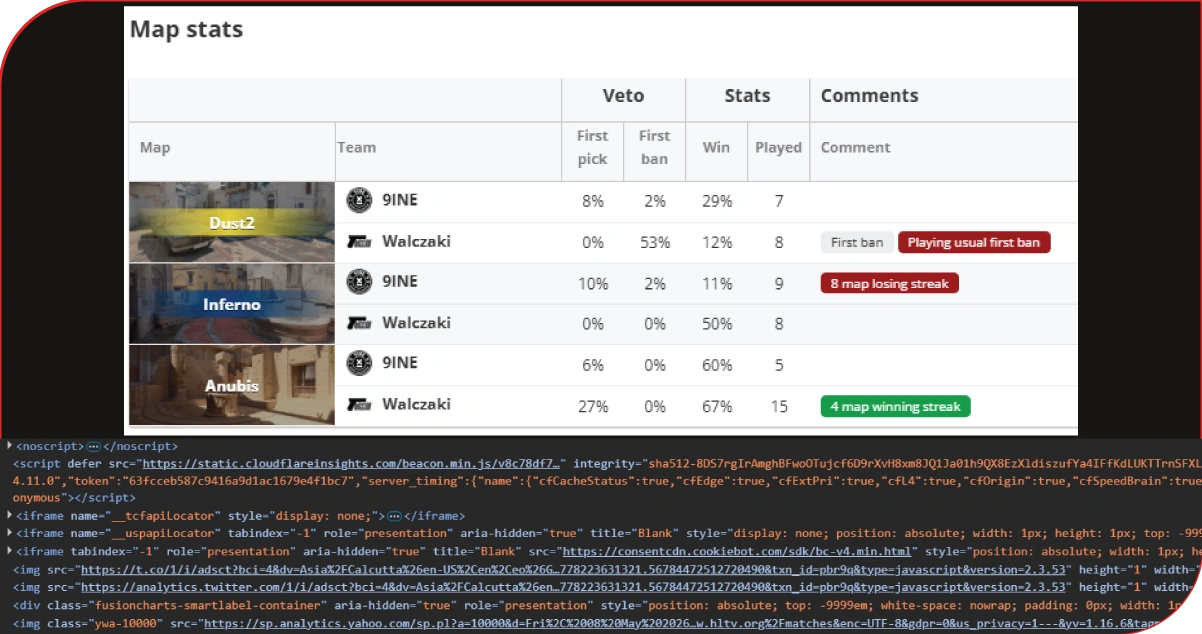
Professional esports organizations increasingly depend on advanced statistical frameworks to evaluate player efficiency and strategic consistency across competitive tournaments. Many research teams now utilize automated extraction systems to Extract Individual Match Stats From HLTV.org and maintain continuously updated analytical databases for player performance monitoring.
The growing scale of international esports competitions has significantly increased demand for flexible collection infrastructures capable of handling massive datasets without interruption. Businesses are adopting HLTV API Alternative Scraping methods to improve scalability and reduce dependence on restricted access channels while maintaining uninterrupted analytical workflows.
Data scientists and gaming analysts frequently combine structured esports statistics with predictive algorithms to improve scouting accuracy and strategic planning. This improves operational efficiency for esports agencies, media firms, and professional gaming organizations seeking deeper performance intelligence.
Critical Metrics Used In Performance Modeling:
| Performance Metric | Analytical Value |
|---|---|
| Entry Duel Efficiency | Measures opening round impact |
| Utility Contribution | Tracks grenade effectiveness |
| Survival Percentage | Evaluates positioning consistency |
| Economy Performance | Analyzes resource management |
| Clutch Success Ratio | Measures pressure handling ability |
Current esports market reports indicate that organizations using advanced analytics improve scouting efficiency by nearly 40% compared to traditional review methods. Businesses analyzing CS2 Stats From HLTV Without API can build scalable forecasting systems that support player development, sponsorship evaluation, and roster optimization.
Strengthening Global Tournament Research With Predictive Systems
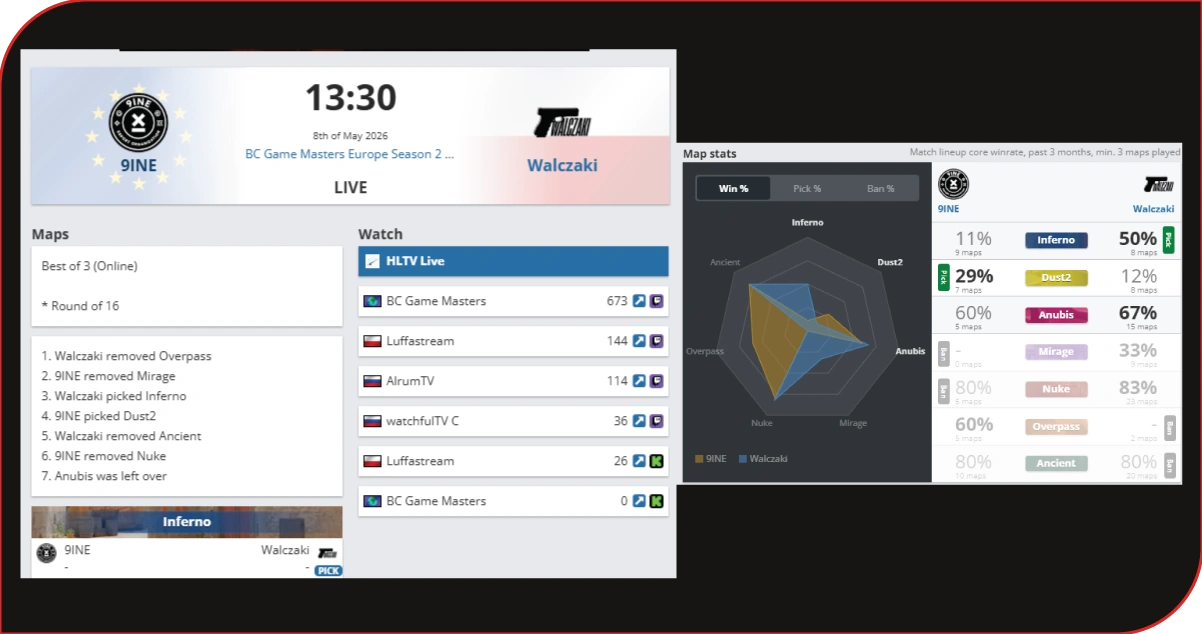
International esports tournaments generate enormous amounts of competitive information that organizations must process quickly to maintain accurate reporting and forecasting capabilities. Research firms, fantasy gaming platforms, and esports analysts increasingly implement automated infrastructures to Extract Esports Tournaments With HLTV Data and monitor evolving competitive trends across regional and international events.
Modern esports intelligence relies heavily on predictive frameworks capable of identifying performance shifts before major competitions begin. Businesses also use Scrape Esports Tournament Results via HLTV Data to streamline event tracking and maintain structured tournament archives for large-scale analytical operations.
The esports betting and fantasy gaming sectors continue expanding rapidly, increasing the need for accurate forecasting systems supported by continuously updated match information. Research organizations frequently integrate automated statistical pipelines with machine learning technologies to improve prediction accuracy and operational scalability across global tournaments.
Major Applications Of Tournament Intelligence Platforms:
| Research Area | Operational Outcome |
|---|---|
| Tournament Tracking | Improves live reporting efficiency |
| Regional Meta Analysis | Identifies evolving strategies |
| Team Performance Forecasting | Supports predictive evaluation |
| Map Pool Research | Measures tactical flexibility |
| Historical Event Comparison | Enhances analytical consistency |
Recent industry estimates suggest that esports platforms process millions of tournament-related data points daily for forecasting and audience engagement systems. Organizations focused on Scraping HLTV Match Data for Esports Betting Analytics often require scalable infrastructures capable of handling real-time updates and long-term historical analysis simultaneously.
How OTT Scrape Can Help You?
Modern esports businesses require scalable solutions that transform raw gaming statistics into structured intelligence systems capable of supporting analytics, forecasting, and performance evaluation. By implementing HLTV Data Scraping for CS2 Match Analytics & Insights, businesses can improve esports research efficiency while maintaining accurate and continuously updated datasets for operational decision-making.
Our Core Capabilities:
- Automated match statistics collection
- Real-time tournament monitoring systems
- Player performance tracking dashboards
- Historical esports database creation
- Multi-event analytics integration
- Scalable structured data delivery
Businesses seeking flexible data acquisition methods often utilize CS2 Stats From HLTV Without API to maintain uninterrupted research workflows and improve competitive intelligence generation across rapidly growing eSports ecosystems.
Conclusion
Modern esports research increasingly depends on structured data pipelines capable of processing massive tournament and player datasets efficiently. Businesses, analysts, and gaming organizations continue adopting HLTV Data Scraping for CS2 Match Analytics & Insights to strengthen predictive analysis, improve scouting accuracy, and support large-scale esports intelligence operations.
Advanced extraction frameworks designed for Scraping HLTV Match Data for Esports Betting Analytics help organizations create accurate forecasting models and detailed performance reports. Contact OTT Scrape today to build customized esports data solutions tailored for modern competitive gaming research and analytics requirements.