
Introduction
The streaming industry is undergoing a major shift as platforms increasingly depend on structured intelligence rather than manual observation. One of the most impactful developments is Fuji TV on Demand Catalog Extraction via Automated Scrapers, which enables organizations to transform raw OTT listings into structured insights for deeper analytical decision-making.
This evolution also supports efficient Scrape Data From Popular OTT Platform Apps processes, helping analysts reduce dependency on fragmented manual tracking methods. As competition among Japanese streaming services intensifies, the ability to systematically collect catalog-level intelligence becomes essential. Businesses are no longer focused only on content availability but also on metadata structuring, genre distribution, and update frequency.
Through automation, platforms can process large-scale streaming information faster, enabling stronger forecasting models and performance benchmarking. This approach also improves visibility into how content libraries evolve across time, offering a clearer understanding of audience engagement cycles. As a result, structured streaming intelligence is now becoming a core pillar for media strategy teams looking to refine content planning and distribution models.
Building Reliable Catalog Intelligence Across Dynamic Libraries
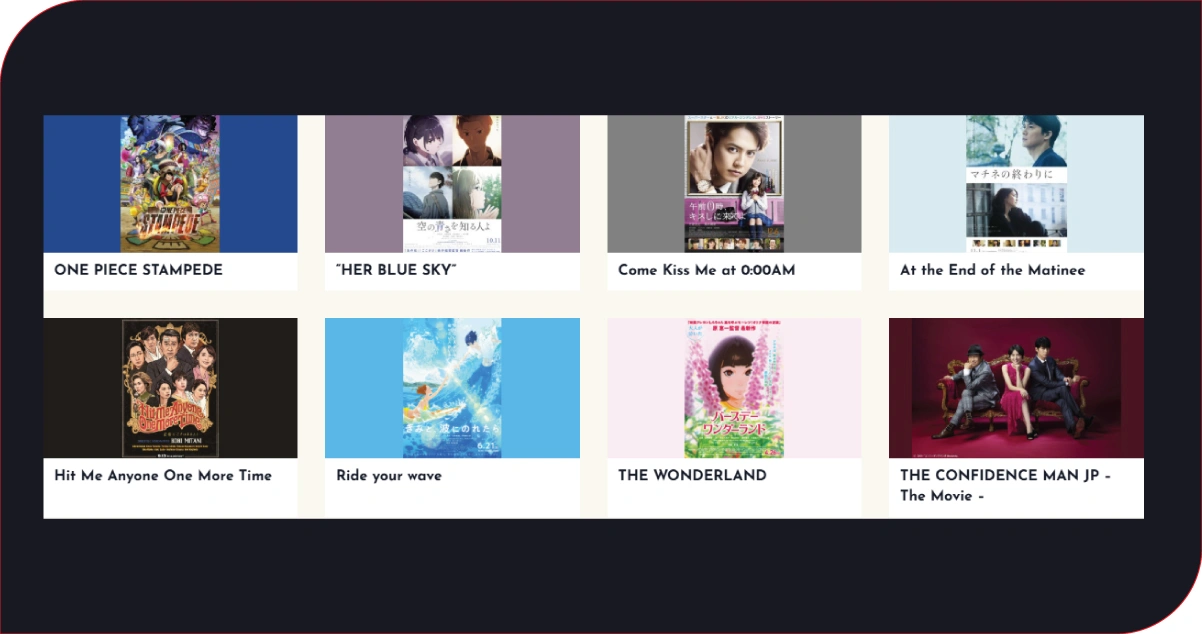
Streaming services continuously update their libraries with new releases, seasonal additions, and licensing changes, making it difficult for analysts to maintain a consistent view of available content. Manual tracking methods often result in incomplete records, delayed reporting, and fragmented information. As OTT ecosystems expand, organizations require automated collection frameworks capable of organizing large volumes of metadata into actionable business intelligence.
Structured extraction helps standardize content records, making them easier to analyze across regions, genres, and publishing schedules. One effective approach is Web Scraping Fuji TV on Demand for Analytics, which enables businesses to collect catalog information systematically and transform raw records into meaningful operational insights. This process supports better content evaluation, competitive benchmarking, and catalog visibility management.
| Catalog Component | Business Value | Update Frequency | Primary Use |
|---|---|---|---|
| Titles | Content inventory tracking | Daily | Library management |
| Categories | Classification accuracy | Real-time | Content organization |
| Availability Status | Regional visibility | Hourly | Licensing monitoring |
| Release Dates | Launch tracking | Daily | Scheduling analysis |
| Metadata Fields | Catalog consistency | Continuous | Reporting automation |
Organizations can also combine collected information with internal Datasets to improve forecasting accuracy and audience behavior analysis. By automating collection workflows, organizations can reduce manual effort, improve data reliability, and maintain comprehensive visibility into rapidly changing streaming catalogs.
Identifying Audience Preferences Through Category-Level Analysis
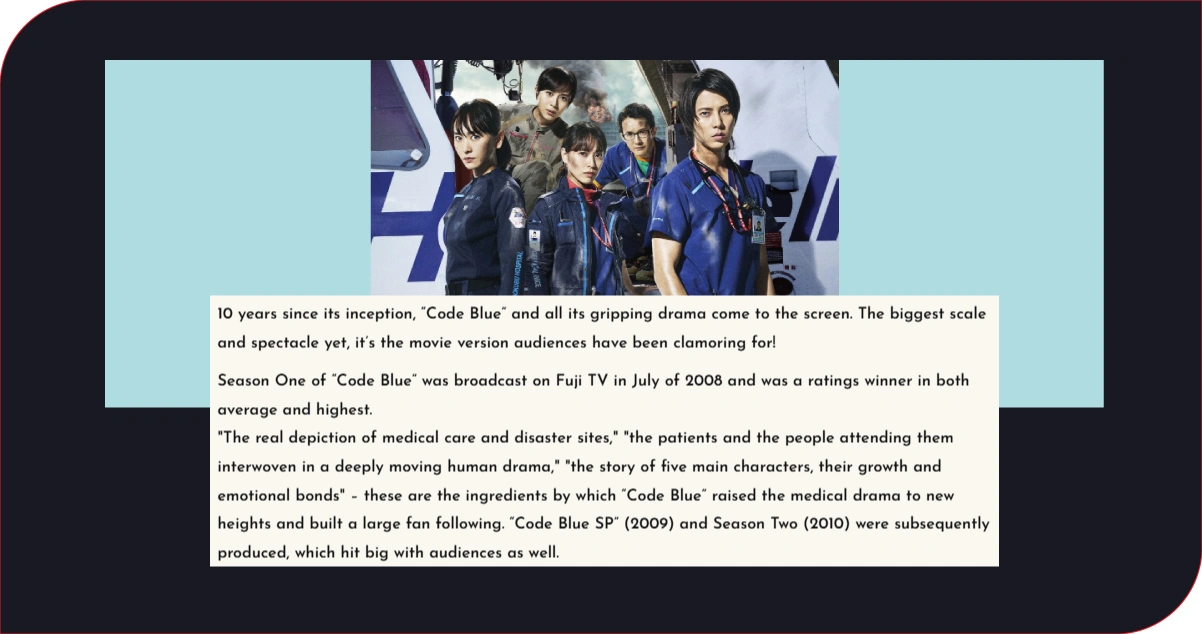
Understanding content consumption patterns requires more than tracking individual titles. Streaming businesses increasingly focus on category-level performance to determine what types of content generate engagement and retention. Genre intelligence provides valuable context for evaluating viewer preferences, seasonal trends, and emerging opportunities within competitive streaming markets.
A major advantage of Japanese OTT Platform Scraping for Real Time Business Insights is its ability to provide ongoing visibility into category movements and viewing patterns. This intelligence becomes even more valuable when organizations Scrape Popular Genres Data to evaluate the relative performance of entertainment categories across large content libraries.
| Genre Category | Engagement Level | Trend Direction | Strategic Value |
|---|---|---|---|
| Drama | High | Growing | Audience retention |
| Anime | Very High | Stable | Subscriber attraction |
| Documentary | Medium | Increasing | Niche expansion |
| Comedy | High | Variable | Repeat viewing |
| Reality Shows | Medium | Rising | Broad appeal |
Continuous monitoring also supports Streaming Content Updates Monitoring via Fuji Data Scraping, ensuring that businesses remain informed about category additions, removals, and popularity changes. With accurate genre intelligence, decision-makers can optimize content investments, improve recommendation systems, and strengthen overall platform performance through data-backed strategies.
Measuring Content Success Through Performance-Based Tracking
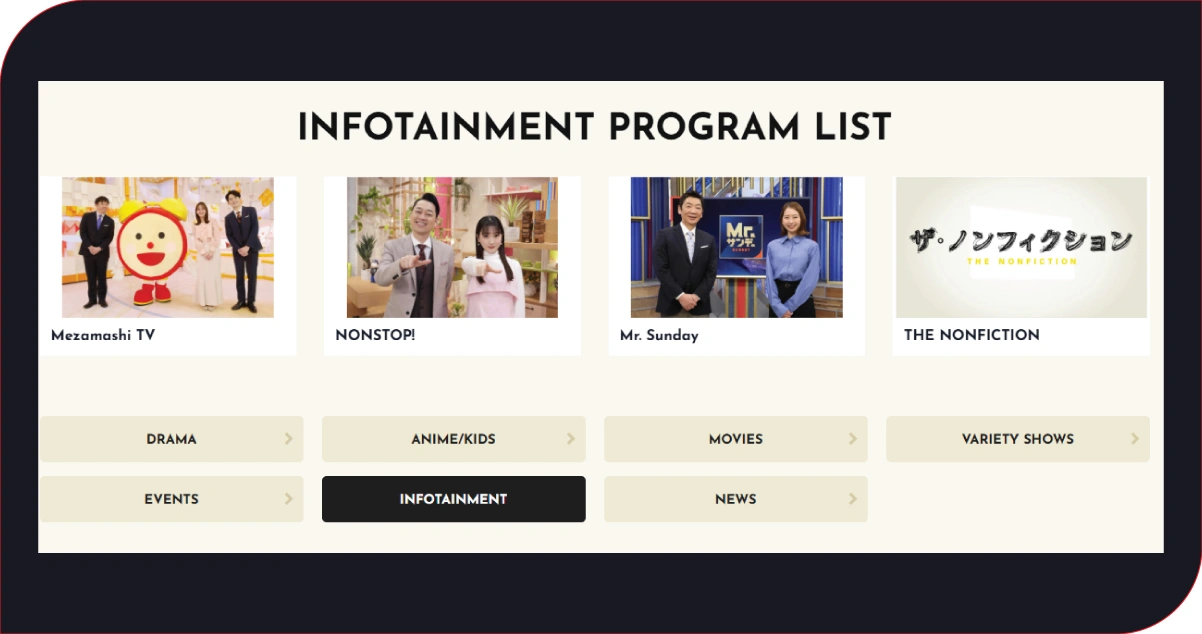
Modern streaming analytics depend heavily on accurate performance measurement. As content libraries expand, businesses need reliable methods for evaluating title popularity, engagement trends, and catalog effectiveness. Performance tracking helps organizations understand what drives viewership, where audiences spend the most time, and which content contributes most to subscriber retention.
Organizations frequently Extract Streaming Catalog Data From Fuji TV on Demand to maintain visibility into title-level performance and content availability. Analysts also use automated workflows to Scrape Popular Shows Data, allowing them to examine viewing behavior and compare performance across different content segments.
| Performance Metric | Purpose | Business Impact |
|---|---|---|
| View Count | Measure popularity | Demand assessment |
| Watch Duration | Evaluate engagement | Retention analysis |
| Completion Rate | Track viewer interest | Content optimization |
| Refresh Activity | Monitor updates | Catalog relevance |
| Ranking Position | Compare performance | Competitive evaluation |
These capabilities become even more valuable when integrated with Streaming Content Updates Monitoring via Fuji Data Scraping, enabling continuous observation of content lifecycle changes. By combining catalog visibility with performance intelligence, organizations can improve forecasting, strengthen recommendation strategies, and make more informed decisions regarding future content investments and audience engagement initiatives.
How OTT Scrape Can Help You?
Business intelligence teams often struggle with fragmented streaming data sources that limit visibility into content ecosystems. When applied strategically, Fuji TV on Demand Catalog Extraction via Automated Scrapers supports scalable analytics across content libraries and viewer engagement metrics.
Our approach includes:
- Enables structured aggregation of streaming metadata across platforms
- Improves accuracy in content performance evaluation
- Supports faster identification of trending titles and categories
- Reduces manual effort in catalog tracking and reporting
- Enhances predictive modeling for audience behavior
- Strengthens cross-platform comparison capabilities
By combining automation with Extract Streaming Catalog Data From Fuji TV on Demand, organizations can build more reliable intelligence pipelines that support long-term streaming strategy optimization.
Conclusion
Streaming analytics continues to evolve as platforms adopt more advanced data extraction techniques to understand viewer behavior and content performance at scale. The adoption of Fuji TV on Demand Catalog Extraction via Automated Scrapers plays a key role in transforming raw catalog data into structured intelligence that supports strategic decision-making across OTT ecosystems.
In addition, Streaming Content Updates Monitoring via Fuji Data Scraping ensures continuous visibility into evolving content libraries, enabling businesses to respond effectively to shifting audience preferences and market dynamics. Connect with OTT Scrape today to build smarter, data-driven streaming intelligence systems.