
Introduction
Streaming platforms have reshaped entertainment consumption, with content availability, viewer interests, genre trends, release schedules, and regional catalogs changing rapidly. By using Extract Netflix Catalog Data for Content Intelligence, businesses can collect structured title-level information, identify performance signals, and support better strategic decisions.
Netflix catalog information may include movie names, TV show titles, genres, release years, maturity ratings, cast details, directors, descriptions, languages, regions, episode counts, content categories, and availability status. Companies using Netflix Data Scraping Services can transform scattered catalog details into usable datasets for strategic planning, research, and competitive monitoring.
A reliable extraction workflow also helps organizations monitor catalog changes without depending on manual checks. The following sections explain common catalog intelligence challenges, practical solutions, relevant statistics, and the role of automated data collection in supporting streaming-focused decisions.
Building Regional Catalog Visibility Through Automated Content Monitoring
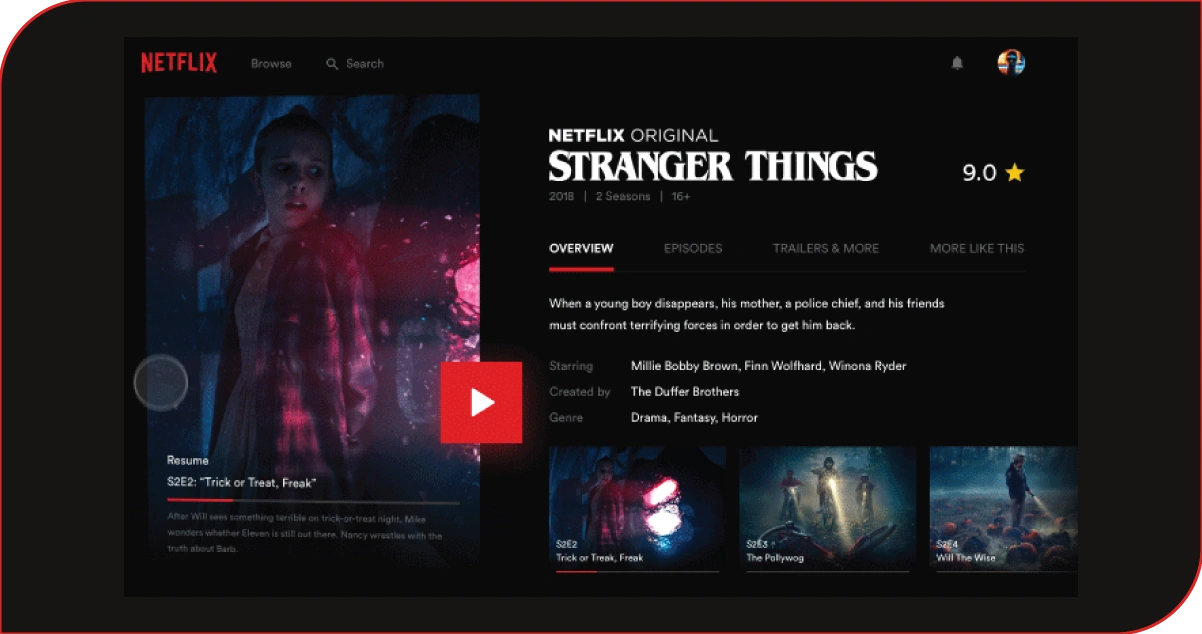
Streaming businesses often face difficulties when comparing catalog availability across countries, categories, and release periods. A movie or series visible in one market may be unavailable elsewhere because of licensing terms, distribution agreements, or regional programming strategies.
Manual catalog checks create inconsistent records, consume analyst time, and make it difficult to identify meaningful changes at scale. Businesses can use Scrape TV Shows Data workflows to review series names, season counts, episode details, release timing, and category placement without relying on scattered manual spreadsheets.
A scalable Netflix Streaming Metadata API for Business Insights can also help organizations access organized fields for dashboards, reports, and recurring market analysis. Historical records improve decision-making because they reveal how catalog strategies evolve instead of showing only a single current snapshot.
| Catalog Intelligence Area | Data Collected | Business Value |
|---|---|---|
| Regional availability | Country-level title presence | Supports licensing comparison |
| Genre distribution | Categories and subcategories | Identifies content concentration |
| Title movement | Additions and removals | Tracks catalog changes |
| Series structure | Seasons and episodes | Evaluates format depth |
| Release timing | Launch dates and updates | Supports programming analysis |
Teams can automate recurring catalog reviews to capture title-level information and preserve historical records. This enables analysts to compare content depth, track new additions, identify removals, and evaluate how programming differs between markets.
Guiding Production Decisions With Structured Streaming Intelligence Signals
Production teams often need stronger evidence before deciding which genres, formats, themes, or language categories deserve investment. Surveys, social conversations, and internal assumptions can offer useful direction, but catalog data adds measurable context to planning discussions.
Businesses applying Content Production Insights Using Netflix Data Scraping can evaluate title attributes to support development priorities, acquisition planning, and release scheduling. For example, a production house may compare the volume of short-form documentaries with long-running series, while a distributor may assess content categories receiving greater placement across target markets.
Using Scrape Netflix TV Show Metadata for Trend Analysis also supports the review of season structures, episode counts, genre movement, and release cycles. These insights help teams identify content gaps, validate assumptions, and prepare more informed programming strategies.
| Strategic Question | Relevant Data Signal | Possible Action |
|---|---|---|
| Which genres are expanding? | Category-level title growth | Prioritize market research |
| Are global titles increasing? | Language and origin patterns | Assess localization opportunities |
| Which formats dominate? | Movies, series, and specials | Adjust production planning |
| How quickly do categories change? | Monthly title movement | Improve review cycles |
| Which ratings appear frequently? | Maturity classification data | Refine audience targeting |
A well-organized dataset can group titles by genre, language, release year, maturity rating, production origin, and content type. Analysts can then study recurring patterns involving documentaries, reality programs, international dramas, animation, limited series, or multi-season productions.
Tracking Competitive Shifts Through Historical Catalog Data Analysis
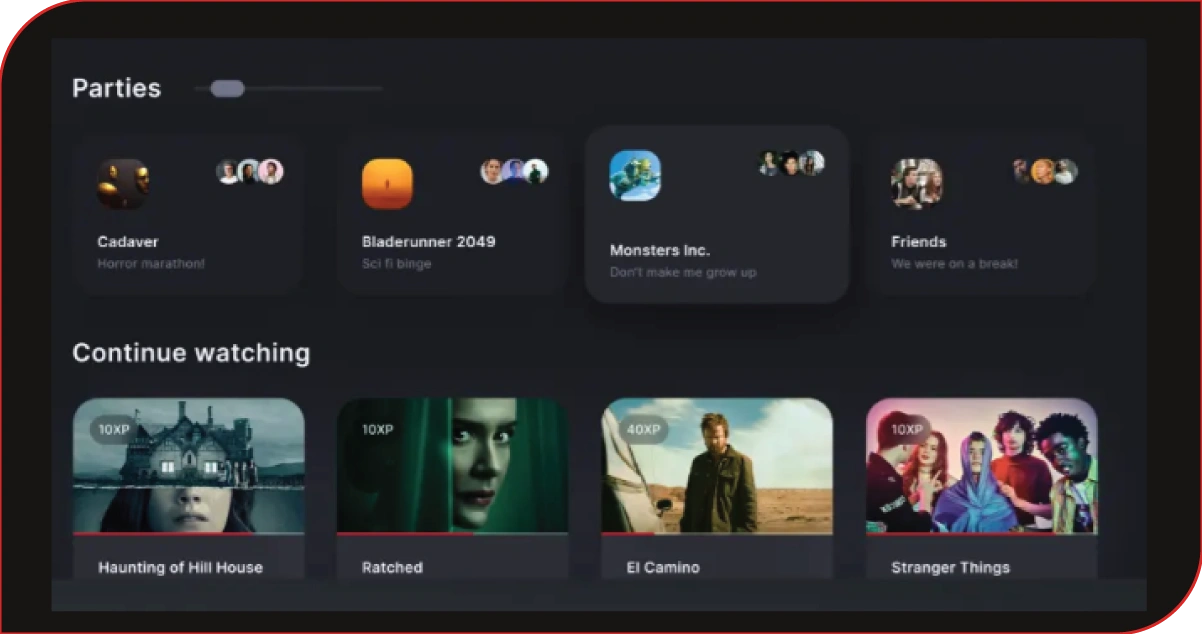
Competitive streaming research becomes limited when businesses review a catalog only once. A current snapshot may show available titles, but it cannot explain whether a category is expanding, declining, or changing because of licensing activity. Historical records provide a more complete view by documenting additions, removals, genre movement, regional availability, and title longevity over time.
Access to organized Netflix Movie Datasets supports title-level comparisons involving genres, release years, maturity ratings, languages, and availability periods. Researchers can use these records to create dashboards, prepare market reports, and identify catalog gaps relevant to specific audience segments.
A dependable Netflix Content Library Data Scraping Solution can deliver structured historical information through files, APIs, databases, or cloud storage. When combined with internal engagement data or market research, catalog intelligence supports more informed competitive evaluations and long-term content strategy planning.
| Historical Tracking Metric | What It Measures | Research Outcome |
|---|---|---|
| New title volume | Additions during selected periods | Shows catalog expansion |
| Removal frequency | Titles leaving the library | Indicates licensing turnover |
| Genre movement | Category-level changes | Reveals programming shifts |
| Regional variation | Market-specific availability | Supports localization research |
| Title longevity | Duration of availability | Measures catalog stability |
A continuous collection process helps businesses measure catalog activity across weeks, months, or quarters. Media companies can compare the number of new thriller films, examine movie-to-series ratios, evaluate regional title depth, or monitor how frequently content categories change.
How OTT Scrape Can Help You?
We help media businesses collect, organize, and deliver streaming catalog information in structured formats that support research, planning, and competitive analysis. Businesses can use tools to Extract Netflix Catalog Data for Content Intelligence while improving visibility into content changes, genre patterns, and regional availability.
Our approach includes:
- Collect title-level information from movies, series, documentaries, and specials.
- Track catalog additions, removals, and availability changes over time.
- Organize records by genre, language, rating, country, and release year.
- Create scheduled workflows for recurring data updates.
- Deliver clean datasets through APIs, files, cloud storage, or databases.
- Support custom research requirements for media and entertainment teams.
Our Netflix Streaming Metadata API for Business Insights can provide structured access to relevant catalog fields for teams that require scalable data delivery. This approach helps analysts reduce manual effort, improve reporting consistency, and build stronger streaming intelligence workflows.
Conclusion
Streaming businesses need accurate catalog information to understand market movement, evaluate content positioning, and improve planning decisions. When teams Extract Netflix Catalog Data for Content Intelligence, they can study title patterns, regional differences, genre activity, and historical catalog shifts with greater clarity.
Through Netflix Data Scraping for Trend Analysis, media companies can monitor changing content signals and identify opportunities across genres, formats, and markets. Contact OTT Scrape today to build a tailored catalog intelligence workflow that supports your streaming research and business strategy.