
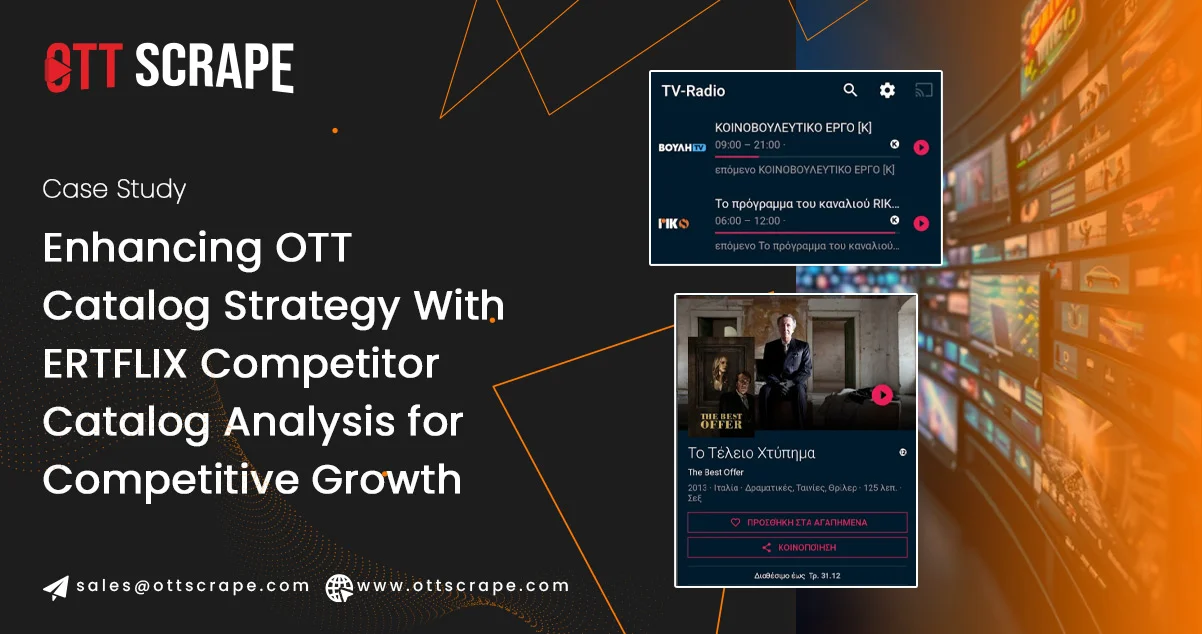
Introduction
The growing competition among OTT platforms has made detailed catalog evaluation increasingly important for content strategy teams. Our ERTFLIX Competitor Catalog Analysis solution helped a leading media intelligence client examine competing catalogs through structured title information, genre distribution, languages, release periods, ratings, and availability patterns. This gave the client a clearer understanding of how different platforms positioned their entertainment libraries and where meaningful differences existed across content categories.
To support continuous catalog research, we implemented an ERTFLIX OTT Catalog Web Data Scraper that gathered relevant information from ERTFLIX and organized it into consistent, analysis-ready records. The collected data allowed the client's research teams to compare content portfolios more efficiently, identify frequently represented categories, and recognize areas where competitors maintained stronger catalog depth.
The project was further supported through ERTFLIX Data Scraping Services, enabling the client to establish a structured workflow for collecting, processing, and maintaining OTT catalog information. The resulting data environment helped analysts evaluate competitive movements with greater consistency while supporting content acquisition research, programming decisions, and market positioning assessments. This approach gave the client a reliable basis for refining catalog strategy as competitor offerings continued to change.
The Client
The client was a digital entertainment intelligence company looking to strengthen its understanding of ERTFLIX and competing streaming platforms. Their research teams needed a structured way to compare catalogs based on titles, genres, languages, content formats, release periods, ratings, and audience-oriented attributes. ERTFLIX Competitor Catalog Analysis was required to turn scattered catalog observations into organized competitive intelligence that could support content acquisition, programming evaluation, and broader market positioning decisions.
A major requirement was maintaining detailed and consistent title-level information for recurring catalog assessments. The client wanted to identify which categories were receiving greater representation, where content overlaps existed, and which programming areas appeared comparatively underserved. By using Scrape ERTFLIX Content Metadata, the project could organize important attributes into standardized records, making it easier for analysts to compare catalog composition and evaluate changes across different content segments without relying on fragmented manual research.
The client also required a dependable approach to Scrape OTT Platform Data from changing digital environments while keeping the collected information suitable for ongoing analysis. They needed structured outputs that could be incorporated into internal dashboards and analytical processes, allowing strategy teams to work with refreshed information and make better-informed decisions about catalog development and market opportunities.
Key Challenges
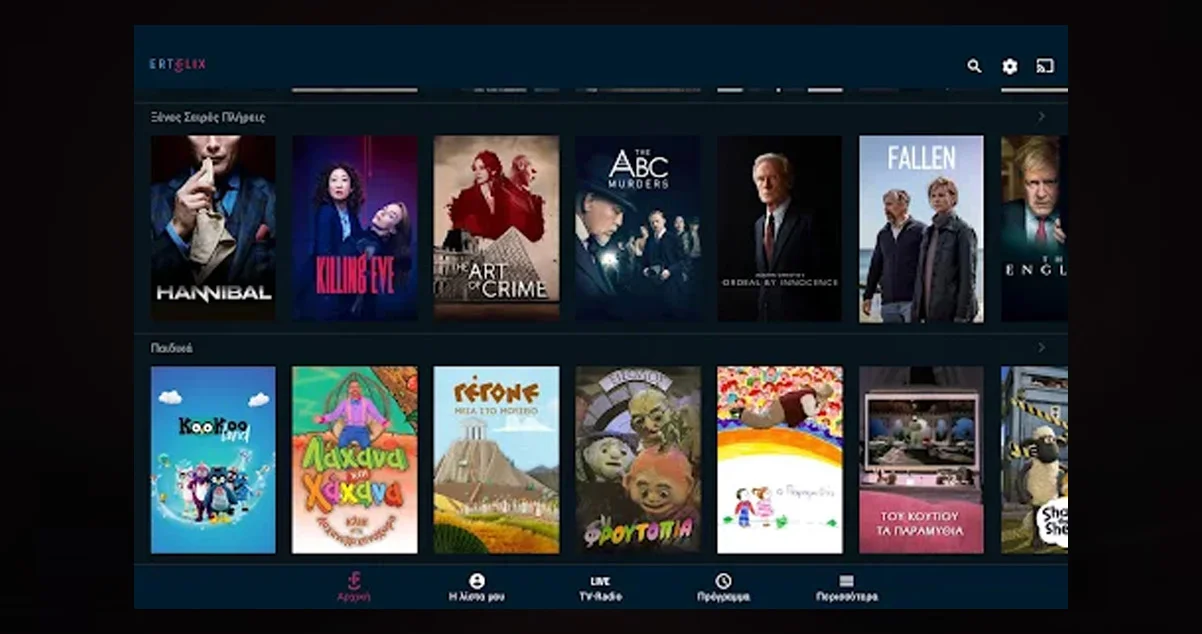
The client's earlier catalog research depended on repeated manual checks across multiple OTT sources, making it difficult to maintain a dependable view of changing content libraries. As the volume of titles increased, Real-Time ERTFLIX Content Availability Data became increasingly important for identifying additions, removals, and status changes without creating delays in the research process.
Another challenge involved inconsistent information structures across catalog pages. Similar attributes could appear under different labels, formats, or layouts, making the consolidation process more complicated for the client's research team. Extracting reliable title information through Scrape ERTFLIX Content Metadata was necessary to create uniform records that could be compared across genres, languages, release years, and content types.
The client also found it difficult to maintain historical comparisons because catalog changes were not captured systematically. Newly introduced programs, removed titles, and shifting category distributions could easily be overlooked during periodic reviews. Their existing approach lacked the flexibility required to process large-scale information efficiently, while the absence of an ERTFLIX TV Show Data API limited the ability to transfer organized catalog records directly into internal analytical systems.
Key Solutions
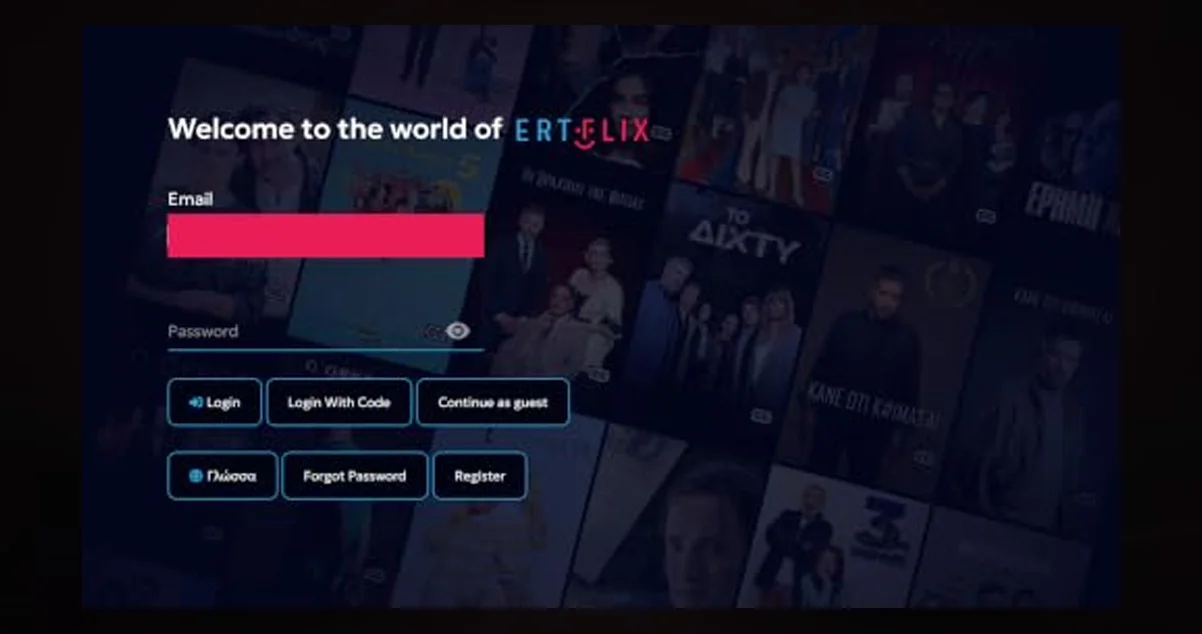
We developed a dedicated data collection framework around the client's requirements for detailed OTT catalog intelligence. The workflow was designed to gather title names, genres, languages, release information, ratings, descriptions, and availability attributes while maintaining consistent formatting across records. Within this process, the ERTFLIX OTT Catalog Web Data Scraper helped automate recurring extraction and reduced the dependency on manual catalog reviews.
The collected information was then processed through validation and normalization routines to improve consistency across large datasets. Duplicate entries were identified, important title attributes were standardized, and relevant records were organized for comparative research. By incorporating Real-Time ERTFLIX Content Availability Data into the workflow, the client could also examine catalog movements more frequently and recognize changes that could influence programming assessments.
To make the resulting intelligence more accessible, we established structured delivery mechanisms that connected processed records with the client's existing analytical environment. The workflow supported recurring catalog evaluations and allowed teams to filter information according to specific business requirements. Integration through the ERTFLIX TV Show Data API made it easier to transfer organized records into dashboards and reporting systems, helping analysts evaluate competitor positioning and identify opportunities for catalog development.
Structured Dataset Coverage for Recurring Catalog Analysis
| Metric | Before | After | Improvement | Frequency |
|---|---|---|---|---|
| Catalog Records | 18K | 72K | 4X | Weekly |
| Metadata Fields | 12 | 28 | 2.3X | Per Record |
| Manual Review Time | 40 Hrs | 10 Hrs | -75% | Weekly |
| Availability Checks | 2 | 24 | 12X | Daily |
| Data Refresh | 7 Days | 24 Hrs | 7X | Recurring |
The structured workflow gave the client broader coverage and significantly reduced the effort required for recurring catalog assessments. Following an OTT Data Scraping Guide 2026 approach, the collected information could be organized into repeatable processes for comparison, validation, and strategic content evaluation.
The improved data flow also helped the research team work with fresher catalog information while reducing repetitive verification tasks. With ERTFLIX Competitor Catalog Analysis, analysts could evaluate catalog movements more efficiently and identify content differences that supported stronger programming and competitive planning.
Advantages of Collecting Data Using OTT Scrape
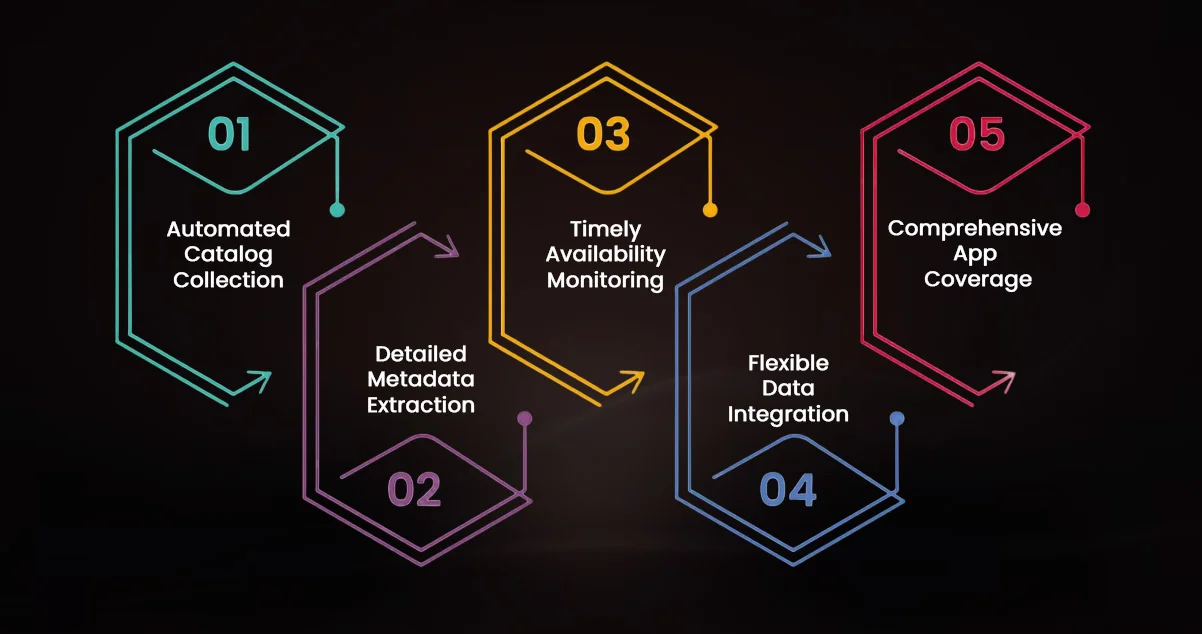
- Automated Catalog Collection
Our ERTFLIX OTT Catalog Web Data Scraper continuously gathers structured catalog records, reducing manual research while supporting consistent datasets for recurring competitive content evaluations. - Detailed Metadata Extraction
Teams can Scrape ERTFLIX Content Metadata to capture title attributes, genres, languages, release details, ratings, and descriptions within standardized records for analysis. - Timely Availability Monitoring
Access to Real-Time ERTFLIX Content Availability Data helps analysts identify catalog additions, removals, and status changes promptly for accurate competitive content assessments. - Flexible Data Integration
The ERTFLIX TV Show Data API delivers organized catalog information into internal dashboards and analytical environments, simplifying recurring reporting, comparisons, and content planning. - Comprehensive App Coverage
Our workflows can Scrape OTT App Data across relevant sources, helping teams collect broader catalog information and strengthen research for evolving streaming strategies.
Client's Testimonial
Conclusion
The project demonstrated how ERTFLIX Competitor Catalog Analysis can support OTT content planning by organizing competitor catalogs into structured and comparable intelligence. It helped the client reduce repetitive research, identify catalog gaps, evaluate programming differences, and maintain greater consistency across competitive comparisons.
With ERTFLIX TV Show Data API integration, relevant catalog information became more accessible across analytical workflows, making competitor research more efficient and scalable. The resulting solution provided a stronger foundation for monitoring content changes and evaluating market positioning over time. Contact OTT Scrape today to build a tailored OTT catalog intelligence solution that supports your competitive research, content planning, and strategic analysis requirements.