
Introduction
Streaming platforms operate in a fast-moving content environment where programming decisions depend on accurate visibility into audience preferences, release activity, genre performance, and competitor catalog changes. For media companies, production houses, advertisers, and research teams, monitoring this catalog can reveal valuable signals about changing viewer interests and content positioning.
A structured approach to Scrape BBC iPlayer Data helps businesses collect relevant program details such as title, synopsis, genre, episode count, availability period, release date, content format, duration, and category placement. These data points can support deeper analysis of how leading broadcasters organize their libraries and promote content across digital viewing platforms.
The BBC iPlayer Video Metadata Dataset for Market Research provides a reliable foundation for evaluating catalog movement, identifying content gaps, comparing programming strategies, and tracking market demand. With regularly updated records, teams can convert public catalog information into practical intelligence for content research, campaign planning, and strategic decision-making.
Creating Deeper Visibility Into Platform Catalog Structures
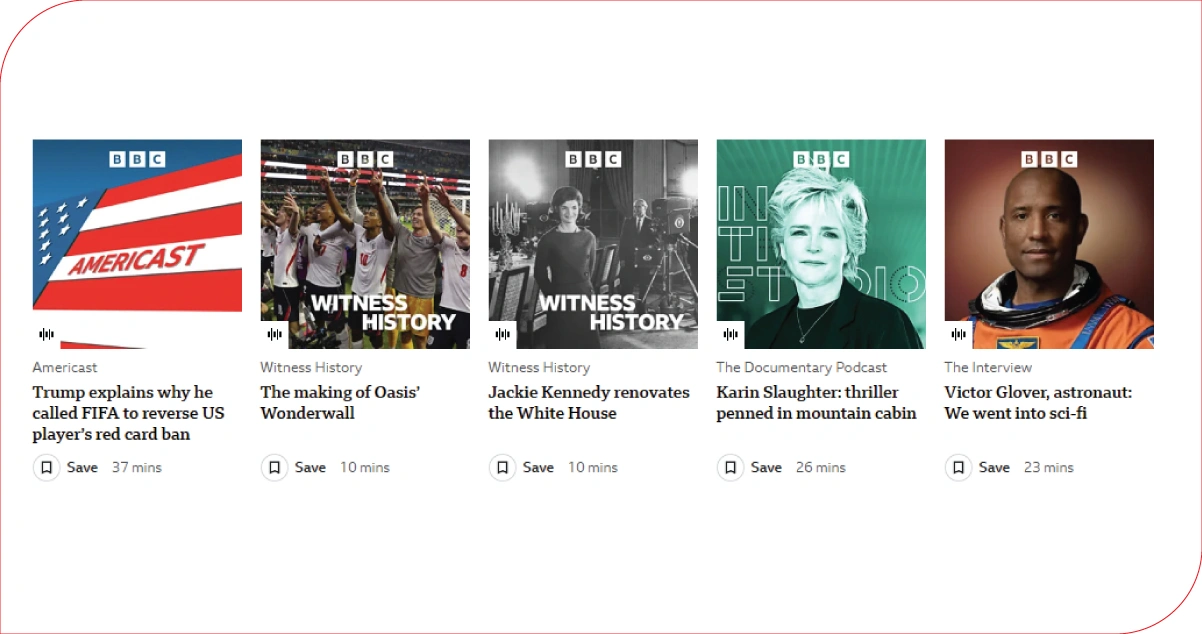
Media research teams often struggle to understand how competing streaming platforms structure their content libraries. Catalog pages change frequently, titles move between categories, and manual review makes it difficult to compare large volumes of programs across genres, formats, and availability periods.
Using BBC iPlayer Data helps researchers organize program-level information into a practical analytical framework. Records can include title names, descriptions, genre labels, series details, episode availability, program duration, release timing, audience classifications, and content categories.
For example, analysts can measure the proportion of drama, factual, entertainment, children’s, and sports content available during a selected period. If drama accounts for 32% of monitored titles while documentaries represent 21%, this may indicate where programming attention is concentrated.
| Metadata Element | Research Value | Business Use |
|---|---|---|
| Program title | Identifies catalog coverage | Track title additions |
| Genre category | Measures content mix | Compare genre priorities |
| Release date | Shows publishing activity | Review release cycles |
| Episode count | Indicates series depth | Assess format strategy |
| Availability window | Tracks catalog rotation | Monitor retention patterns |
| Duration | Supports format review | Compare viewing formats |
A structured workflow using Web Scraping BBC iPlayer Video Catalog Data supports consistent catalog comparison across different periods. It helps teams identify format changes, content category movement, and programming patterns that can strengthen competitor research, content planning, and reporting accuracy.
Assessing Release Momentum Across Important Programming Cycles
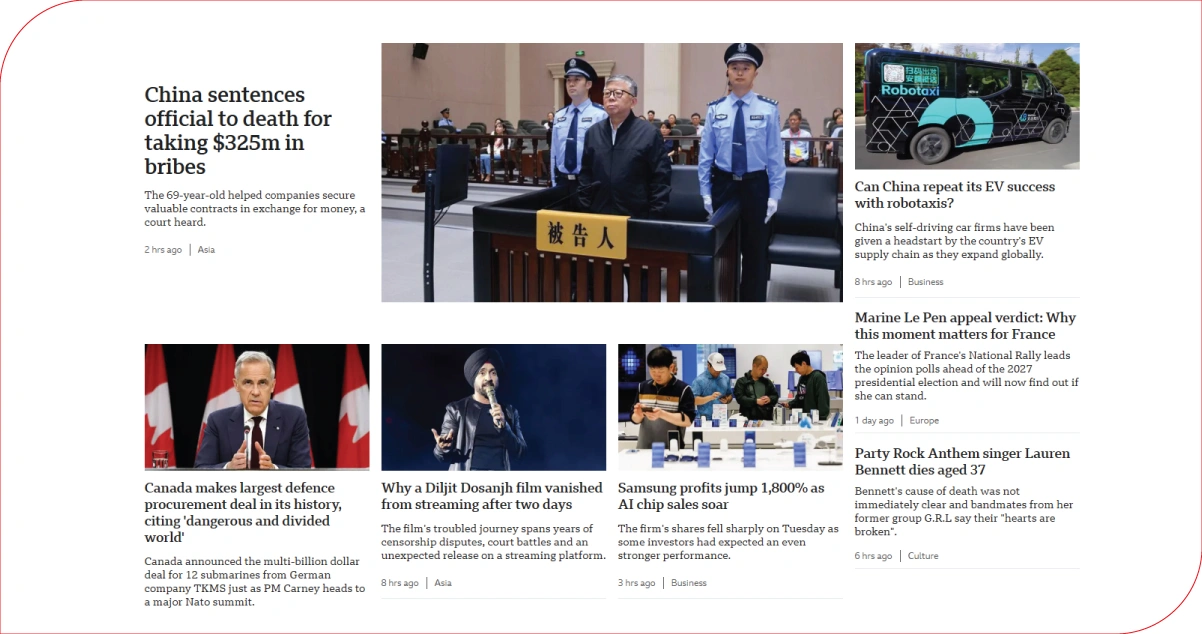
New releases strongly influence audience attention, platform engagement, promotional priorities, and competitive programming decisions. However, tracking publishing activity manually becomes challenging when platforms add new series, individual episodes, specials, documentaries, and seasonal programming across multiple categories.
Businesses can Scrape Latest Releases Data to evaluate title volume, release timing, category movement, and changes in publishing frequency. For instance, a monthly review may show 45 new titles added during one period compared with 28 during the previous month.
Release-level records also help analysts assess timing patterns. If factual content increases around national events, entertainment programming expands during holidays, or sports-related titles appear before major competitions, businesses can use those signals to improve their own content calendars.
| Release Metric | Insight Generated | Strategic Application |
|---|---|---|
| New title volume | Measures catalog growth | Track publishing activity |
| Genre of releases | Identifies content focus | Plan category investments |
| Release day patterns | Shows scheduling behavior | Improve launch timing |
| Series versus specials | Evaluates format mix | Support production planning |
| Seasonal additions | Reveals programming cycles | Align campaign activity |
| Content duration | Indicates format direction | Study consumption behavior |
Through BBC iPlayer Content Library Data Extraction, teams can build dashboards that summarize publishing trends, category shifts, and release patterns. These findings support better content acquisition, campaign planning, competitor benchmarking, and market analysis across the OTT industry.
Identifying Competitive Shifts Across Evolving Content Categories

Streaming platforms continuously adjust their libraries to reflect audience interests, cultural events, production schedules, and competitive pressures. Without regular monitoring, businesses may not identify these changes early enough to respond with relevant content, partnerships, promotional activity, or acquisition decisions.
Teams can Track BBC iPlayer Trends in Real-Time Using Scraped Data by monitoring title additions, genre placement, episode updates, availability changes, and category visibility. For example, if crime drama titles increase from 18 to 31 within a quarter, researchers may identify growing editorial investment or a possible increase in viewer demand.
Regular metadata monitoring enables analysts to compare catalog movement across weekly, monthly, and quarterly periods. Teams can measure genre growth, title turnover, series continuation, availability changes, and duration patterns to identify which formats are receiving greater attention.
| Trend Indicator | What It Reveals | Business Benefit |
|---|---|---|
| Genre growth rate | Rising content categories | Identify demand signals |
| Title removal rate | Catalog turnover | Monitor lifecycle patterns |
| Episode update frequency | Active series movement | Track retention formats |
| New series launches | Programming investment | Compare competitor focus |
| Duration changes | Format experimentation | Assess viewer behavior |
| Category placement | Editorial visibility | Review promotional direction |
A BBC iPlayer TV Show Metadata Scraping Solution can make monitoring more efficient by collecting structured program details at scale. It allows businesses to create consolidated reports around catalog changes, genre movement, release activity, and competitive content signals for stronger planning and market research.
How OTT Scrape Can Help You?
We support media businesses, researchers, production companies, and digital agencies with structured streaming data collection services. A well-maintained BBC iPlayer Video Metadata Dataset for Market Research can help businesses convert catalog information into practical reports and market intelligence.
- Collect program titles, descriptions, and category details.
- Monitor series updates and episode availability changes.
- Compare genre distribution across selected time periods.
- Identify new content additions and catalog removals.
- Build customized reports for competitor content analysis.
- Support dashboard creation for streaming market research.
With Extract BBC iPlayer Video Metadata for Streaming Analytics, organizations can create data workflows that support content benchmarking, trend monitoring, release tracking, and market research with greater speed and consistency.
Conclusion
Competitive streaming research requires more than occasional catalog reviews. The BBC iPlayer Video Metadata Dataset for Market Research supports a more organized approach to content intelligence by turning public program details into useful indicators for research, planning, and competitor evaluation.
A BBC iPlayer Data API for OTT Market Intelligence can further support automated reporting and scalable analysis for ongoing content research. Contact OTT Scrape today to build a customized BBC iPlayer data solution for your market research goals.