
Introduction
The streaming market changes rapidly as platforms adjust content libraries, subscription plans, genres, and audience strategies. Apple TV+ vs Amazon Prime Video Market Analysis via Scraping provides structured data for examining these changes across catalogs, pricing, ratings, metadata, and viewer demand without relying solely on manual research.
Apple TV+ and Amazon Prime Video operate with different content strategies, audience segments, and commercial models. Businesses can collect comparable information on titles, genres, release dates, ratings, availability, and subscription details to identify meaningful market patterns. Amazon Prime Video Data Scraping Services can support recurring collection across large content inventories.
A structured dataset also makes competitive monitoring more consistent. Changes in title availability, new releases, ratings, and content categories can be captured periodically and analyzed through dashboards or business intelligence systems. This approach helps teams evaluate content movements while building reliable datasets for ongoing OTT market research.
Strategic Content Signals Reveal Platform Competitive Movements
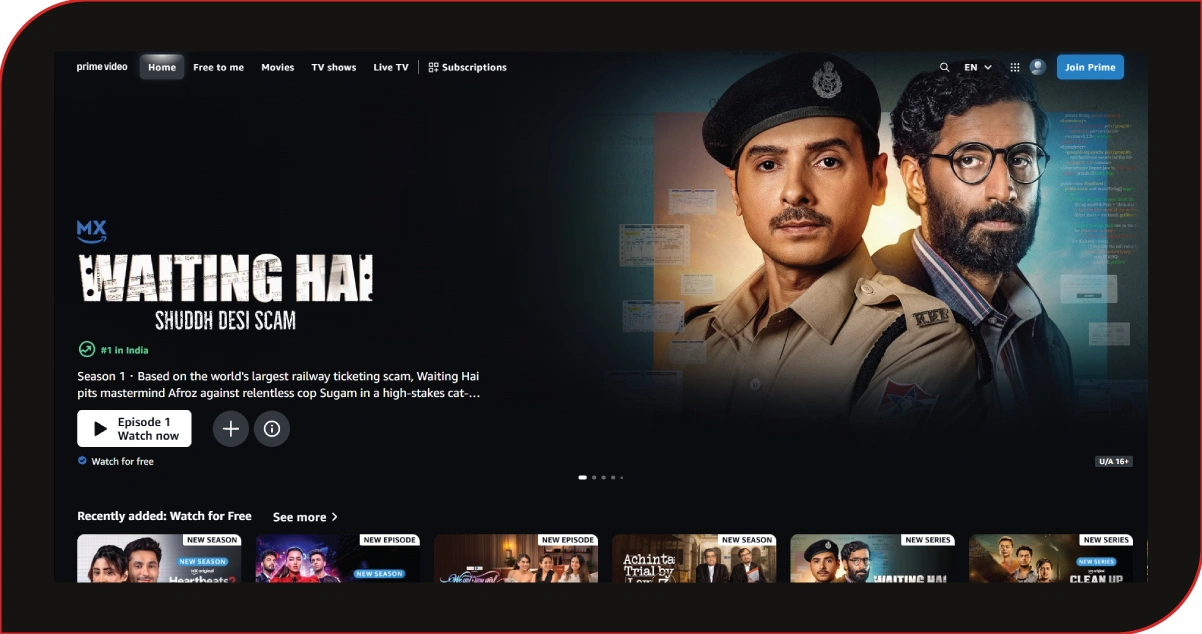
OTT platforms frequently update their libraries, making continuous catalog observation important for businesses studying market movements. New releases, removals, genre additions, and availability changes can indicate how streaming services adjust their programming strategies. Monitor Apple TV+ and Prime Video Content Changes Using Web Scraping helps organize these changes into structured records that can be reviewed over time.
For teams conducting detailed catalog research, title-level information can reveal differences in content breadth, release frequency, language availability, and genre distribution. Apple TV+ Data Scraping Services can help collect structured information from relevant platform pages and organize it for recurring analysis. This creates a consistent foundation for comparing content movements without depending entirely on manual research.
Key data points may include:
- Newly added and removed titles
- Genre and category information
- Release and availability dates
- Language and regional attributes
- Ratings and title-level details
The resulting datasets can support several analytical activities, including catalog benchmarking, release tracking, genre segmentation, and regional availability studies. Businesses can also connect collected information with internal dashboards to observe how content inventories change across different monitoring periods.
| Data Point | Business Use |
|---|---|
| Title Availability | Catalog monitoring |
| Genre | Content segmentation |
| Release Date | Launch tracking |
| Ratings | Audience response |
| Language | Regional analysis |
With periodic collection, researchers can establish historical records rather than viewing platform catalogs as static inventories. This makes it easier to identify recurring programming patterns, measure catalog changes, and understand how each service develops its content mix over time.
Pricing And Catalog Patterns Shape Streaming Market Positioning
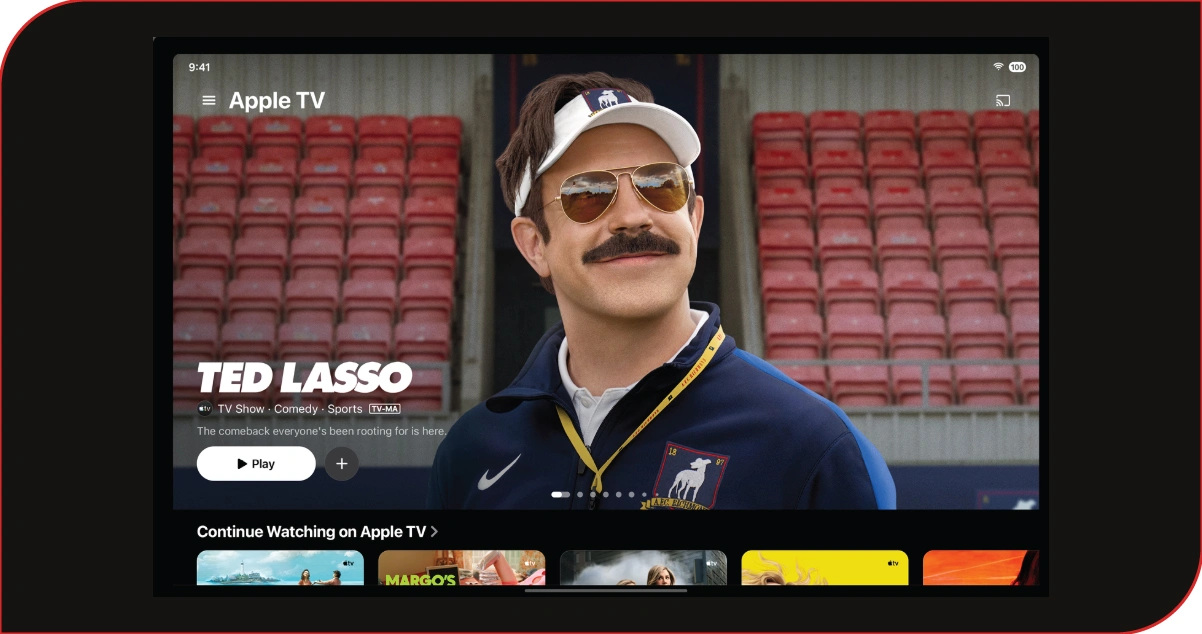
Subscription pricing and catalog composition provide measurable signals for understanding how streaming platforms position their offerings. Businesses can examine plan structures alongside movie availability, genres, release years, and ratings to create a broader view of platform-level differences. Apple TV+ and Amazon Prime Video Data Scraping for Competitive Intelligence can organize these attributes into comparable datasets.
Movie-focused analysis becomes more useful when records contain consistent fields across large numbers of titles. Amazon Prime Movie Datasets can support research involving movie categories, release periods, ratings, languages, and availability. When combined with pricing information, these datasets provide additional context for examining how catalog composition relates to subscription offerings and market segmentation.
Useful analytical areas include:
- Subscription plan information
- Movie and title availability
- Genre distribution
- Release-year patterns
- Rating and audience signals
- Regional catalog differences
Businesses can also monitor historical changes rather than evaluating pricing and catalogs at a single point in time. Recurring datasets can highlight plan modifications, catalog expansion, title removals, and changes in content distribution.
| Market Metric | Analytical Value |
|---|---|
| Subscription Price | Pricing comparison |
| Movie Count | Catalog measurement |
| Genre Mix | Audience targeting |
| Release Year | Catalog freshness |
| Rating | Viewer response |
Combining these datasets can help researchers create structured market reports and dashboards. Instead of examining pricing or catalog information independently, teams can study how multiple platform attributes change together, supporting more detailed competitive research and ongoing monitoring.
Viewer Response Signals Clarify Cross Platform Content Demand
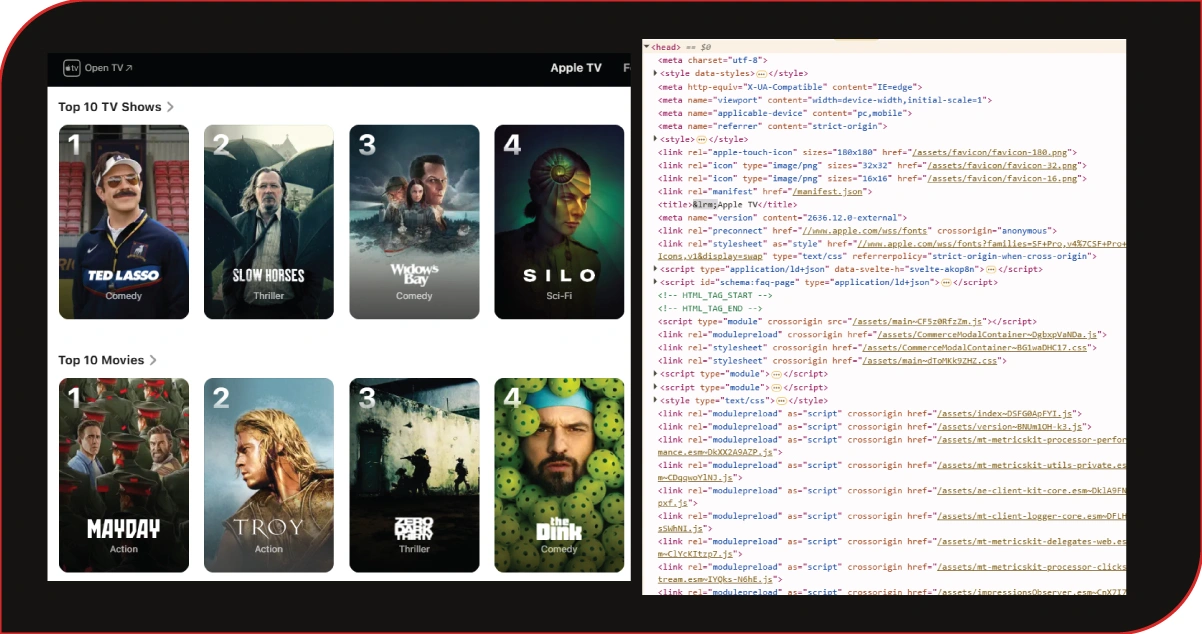
Viewer response provides another important layer for understanding streaming-market activity because ratings and reviews can reflect audience reactions to individual titles. OTT Market Intelligence Using Apple TV+ and Amazon Prime Video Data can organize viewer-related information alongside genres, release periods, title details, and other attributes for comparative market research.
Movie-level datasets can further support audience and catalog studies by connecting content characteristics with available viewer signals. Apple TV Movie Datasets can provide structured records for examining movie categories, release patterns, ratings, and availability. Researchers can use these records to identify recurring patterns across different content groups.
Common analytical activities include:
- Comparing rating distributions
- Grouping titles by genre
- Tracking release-period patterns
- Reviewing audience feedback
- Examining regional content availability
Businesses can segment collected information by genre, release period, language, rating range, or other relevant fields. This allows analysts to examine whether certain categories receive stronger audience responses or whether changes in content availability coincide with shifts in viewer interest.
| Viewer Signal | Potential Insight |
|---|---|
| Ratings | Audience satisfaction |
| Reviews | Viewer sentiment |
| Genre | Content preference |
| Release Period | Demand changes |
| Popularity | Audience interest |
When collected consistently, viewer signals can become part of a broader historical dataset. This enables businesses to compare audience response across content groups and monitoring periods while supporting reports, dashboards, and research focused on changing OTT consumption patterns.
How OTT Scrape Can Help You?
Streaming businesses need consistent data collection to compare catalogs, pricing, metadata, and audience signals across competing platforms. Apple TV+ vs Amazon Prime Video Market Analysis via Scraping can help organize large volumes of streaming information into structured datasets, reducing the manual effort involved in recurring platform research.
We can support businesses with:
- Tracking catalog additions and removals
- Organizing title-level streaming information
- Comparing subscription pricing and plans
- Monitoring genres, languages, and release patterns
- Structuring ratings and review information
- Preparing datasets for dashboards and analytics
A structured approach also improves the consistency of information collected across multiple monitoring cycles. Extract Streaming Metadata From Apple TV+ and Amazon Prime Video can organize title names, genres, release dates, ratings, availability, and related attributes into standardized formats.
For organizations conducting ongoing competitive research, recurring data collection can reduce gaps between monitoring periods and provide a clearer historical view. The resulting datasets can support catalog comparisons, content planning, pricing research, audience analysis, market reporting, and other OTT-focused business activities.
Conclusion
Consistent streaming data can help businesses understand how content libraries, pricing structures, and audience signals evolve across competing platforms. Apple TV+ vs Amazon Prime Video Market Analysis via Scraping provides a structured approach for examining these measurable changes and converting platform information into datasets suitable for research, reporting, and business analysis.
Audience feedback adds another useful dimension to platform research. Compare OTT Review Data Scraping for Apple TV+ and Prime Video can organize ratings and reviews for deeper content-performance analysis. Contact OTT Scrape today to build reliable OTT datasets and support your streaming market research with structured, actionable data.